
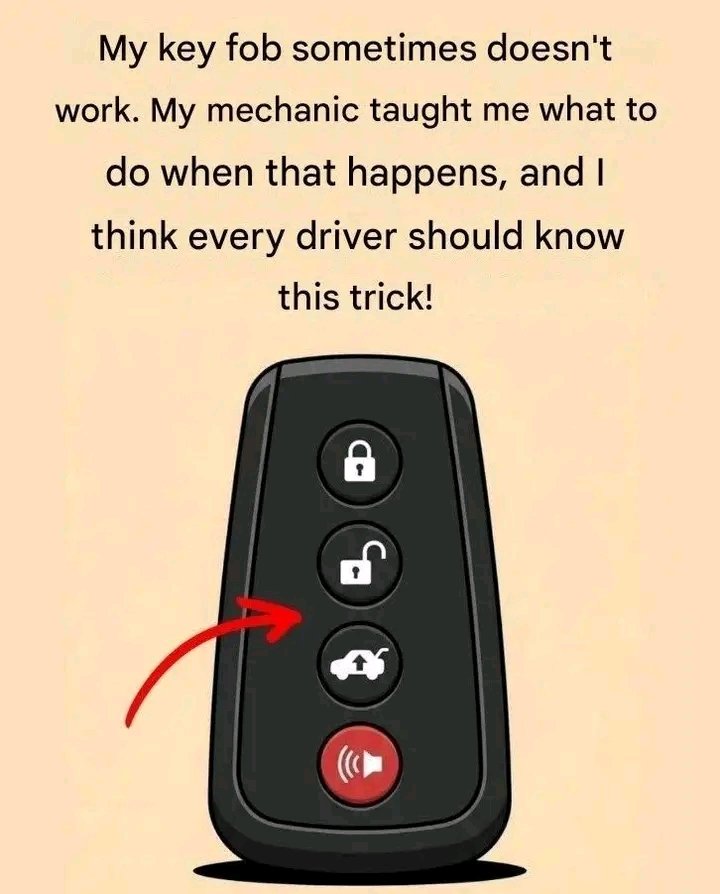
Car Key Fob Not Working? 7 Simple Tricks to Try Before Calling a Locksmith
A car key fob makes locking, unlocking, and starting your vehicle much easier. But when it suddenly stops working, it can be frustrating—especially when you’re in a hurry.
The good news is that a malfunctioning key fob does not always mean you need an expensive replacement. A weak battery, radio interference, or a simple connection issue may be responsible.
Here are seven practical troubleshooting tips you can try safely before seeking professional help.
1. Replace the Key Fob Battery
A weak or depleted battery is one of the most common reasons a remote key fob stops responding.
What to do:
- Check your vehicle owner’s manual for the correct battery type.
- Open the fob carefully using the recommended method.
- Replace the battery with the correct type, matching the polarity markings.
- Close the case and test the buttons near your vehicle.
Avoid touching the circuit board unnecessarily, and do not force the casing open. Some fobs have delicate clips or waterproof seals.
2. Try the Spare Key Fob
If you have a spare remote, test it near the vehicle.
- If the spare works, the original fob may have a weak battery, damaged buttons, or an internal fault.
- If neither fob works, the problem may involve the vehicle’s battery, receiver, or another vehicle system.
This quick test can help narrow down the cause.
3. Check for Radio Interference
Nearby electronic devices, strong radio signals, or certain parking structures can sometimes interfere with a key fob.
Try moving a short distance away from other electronic equipment and test the remote again.
If the fob works elsewhere, temporary interference may have been responsible.
4. Use the Physical Emergency Key
Many key fobs contain a small metal key hidden inside the casing.
Check your owner’s manual to find out how to release it. You may be able to use it to unlock the driver’s door if the remote stops working.
Some vehicles hide the keyhole beneath a small cover on the door handle. Remove that cover only as described in the manual to avoid damaging the trim.
Important: The alarm may sound when you unlock the car manually. Follow the vehicle manufacturer’s instructions for disarming it.
5. Try the Manufacturer’s Backup Starting Method
Some vehicles allow you to start the engine even when the key fob battery is weak.
Depending on the model, the procedure may involve holding the fob against a designated area near the start button or placing it in a specific slot.
Check your owner’s manual for the exact location and procedure. There is no universal method that works for every vehicle.
6. Check the Vehicle’s 12-Volt Battery
If the car has no interior lights, the dashboard does not illuminate, or several electrical systems are unresponsive, the vehicle’s 12-volt battery may be discharged.
A vehicle battery problem can sometimes look like a key fob problem.
If you suspect a flat battery, follow the manufacturer’s guidance or contact roadside assistance. Do not attempt a jump-start unless you know the correct procedure for your vehicle.
7. Consider Reprogramming or Repair
If replacing the battery does not help, the fob may need to be resynchronized, repaired, or replaced.
Some vehicles provide a user-accessible pairing procedure, while others require specialized diagnostic equipment or a qualified automotive locksmith.
Avoid random programming instructions found online. Incorrect procedures may disable other keys or cause additional problems.
What If the Key Fob Was Dropped or Got Wet?
Physical damage and moisture can affect the internal electronics.
If the fob gets wet, stop pressing the buttons and follow the manufacturer’s advice for drying and inspection. Avoid using high heat, and do not assume that placing the fob in rice will repair water damage.
If the casing is cracked, buttons are stuck, or corrosion is visible, professional repair or replacement may be necessary.
When Should You Call a Professional?
Contact a qualified automotive locksmith, dealership, or roadside assistance service if:
- The fob remains unresponsive after a correct battery replacement.
- The vehicle does not recognize the key.
- The fob has significant water or impact damage.
- You have lost all working keys.
- The car’s electrical systems are also malfunctioning.
Have your vehicle identification and proof of ownership available if replacement or programming is required.
Final Thoughts
When your car key fob stops working, start with the simplest possibilities: check the battery, test a spare remote, look for interference, and consult your owner’s manual for the emergency key and backup starting procedure.
These steps may solve a minor problem quickly. If they do not, a professional can determine whether the fob or the vehicle needs attention.
Safety tip: Keep a spare key in a secure location, and never leave a child or pet unattended in a locked vehicle while troubleshooting a key problem.
Add a quick diagnostic decision treeMake the opening more search-friendly