
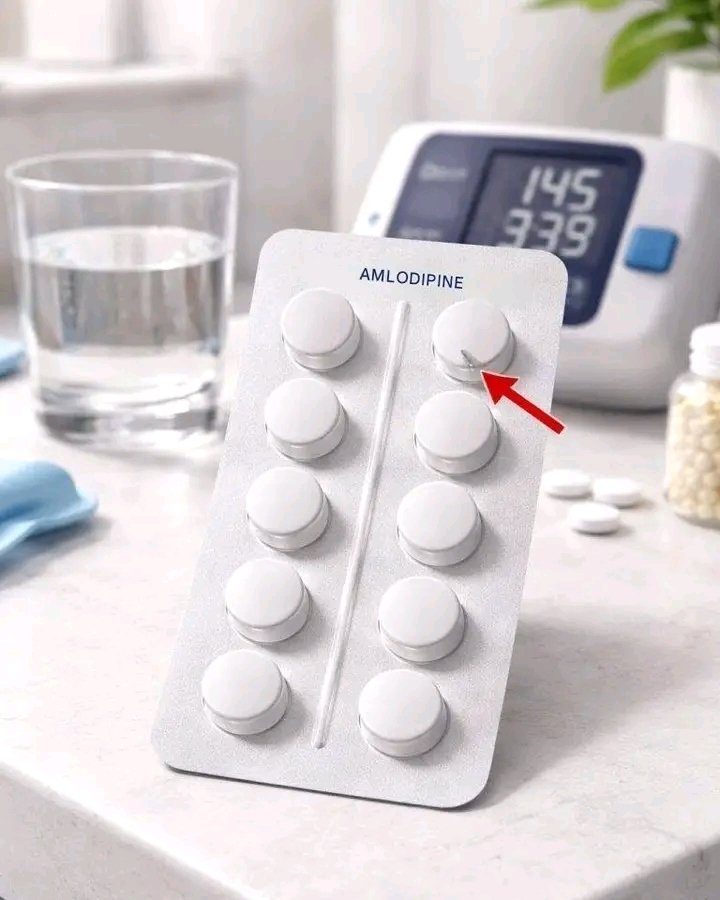
Amlodipine: Uses, Benefits, Side Effects, and Important Safety Tips
Amlodipine is a widely prescribed medication used to treat high blood pressure and certain types of chest pain known as angina. By helping blood vessels relax and widen, this medicine improves blood flow and reduces the strain on the heart.
Although amlodipine can be an effective part of cardiovascular treatment, patients should understand how it works, how to take it safely, and which side effects require medical attention.
What Is Amlodipine?
Amlodipine belongs to a group of medicines called calcium channel blockers. It works by reducing the movement of calcium into certain muscle cells in the blood vessel walls, allowing the vessels to relax.
As a result, blood can flow more easily, and blood pressure decreases. This helps reduce the risk of complications associated with uncontrolled hypertension.
Doctors commonly prescribe amlodipine for:
- High blood pressure (hypertension).
- Certain types of angina, which cause chest pain due to reduced blood flow to the heart.
- Some cases of coronary artery disease, depending on the patient’s condition.
How Does Amlodipine Work?
When blood vessels become too narrow, the heart must work harder to circulate blood throughout the body. Over time, persistently high blood pressure can damage the heart, brain, kidneys, and blood vessels.
Amlodipine helps widen blood vessels, lowering blood pressure and making it easier for the heart to pump blood.
For people with angina, the medicine can also improve blood supply to the heart muscle and help prevent episodes of chest pain.
However, amlodipine is not a fast-acting treatment for sudden chest pain. Anyone experiencing new, severe, or persistent chest pain should seek urgent medical attention.
How Should You Take Amlodipine?
Amlodipine is usually taken once daily, with or without food. It is important to follow the dosage prescribed by your doctor because the appropriate dose depends on your medical condition, age, other medications, and response to treatment.
For safer use, follow these recommendations:
- Take the medication at approximately the same time each day.
- Follow your prescription and the instructions on the medicine package.
- Monitor your blood pressure as recommended by your healthcare professional.
- Do not increase, decrease, or stop your dose without medical advice.
- Tell your doctor about all other medications, vitamins, and herbal supplements you use.
If you forget a dose, follow the instructions in your medication leaflet or ask your pharmacist what to do. Never take a double dose to make up for a missed dose.
Common Side Effects of Amlodipine
Like other prescription medications, amlodipine may cause side effects. Many people tolerate it well, but some experience mild symptoms, particularly when starting treatment.
Common side effects may include:
1. Swelling of the Ankles and Feet
Fluid-related swelling around the ankles and feet is a recognized side effect of amlodipine. Contact your doctor if the swelling is persistent, worsening, or uncomfortable.
2. Dizziness or Lightheadedness
Because amlodipine lowers blood pressure, some people may feel dizzy, especially when beginning treatment or changing doses. Sit down if you feel faint, and avoid driving while dizzy.
3. Headaches
Headaches may occur during treatment and sometimes improve as the body adjusts to the medication.
4. Flushing
Some people experience warmth or redness in the face and neck because blood vessels widen.
5. Tiredness or Digestive Discomfort
Fatigue, nausea, abdominal discomfort, and changes in bowel habits can also occur.
Speak with your doctor or pharmacist if side effects persist, become severe, or interfere with your daily activities.
When Should You Seek Medical Attention?
Serious reactions are uncommon, but certain symptoms should never be ignored.
Seek emergency medical help if you experience:
- Difficulty breathing or swelling of the face, lips, tongue, or throat.
- Fainting or collapse.
- Severe or persistent chest pain.
- A rapid or irregular heartbeat accompanied by concerning symptoms.
- Severe abdominal pain that does not improve.
If you accidentally take more amlodipine than prescribed, obtain urgent medical advice, even if you initially feel well. An overdose can cause dangerously low blood pressure and other serious complications.
Important Precautions Before Taking Amlodipine
Before starting amlodipine, inform your healthcare professional if you have a history of heart disease, liver problems, low blood pressure, or other significant medical conditions.
You should also mention if you are pregnant, planning a pregnancy, or breastfeeding, as your treatment may need to be reviewed.
Amlodipine can interact with certain prescription medicines and supplements. Grapefruit and grapefruit juice may also affect the medication, so ask your doctor or pharmacist whether you should avoid them.
Never share your prescription medication with another person, even if they have similar symptoms.
Lifestyle Habits That Support Healthy Blood Pressure
Medication is often an important part of managing hypertension, but healthy daily habits can also make a meaningful difference.
Consider the following lifestyle measures:
- Reduce salt intake: Choose fresh foods more often and limit heavily salted processed products.
- Exercise regularly: Aim for physical activity suited to your health and fitness level.
- Maintain a healthy weight: Ask your healthcare professional for guidance on realistic weight-management goals.
- Eat a balanced diet: Include vegetables, fruits, whole grains, and other nutritious foods.
- Avoid smoking: Smoking increases cardiovascular risk.
- Monitor your blood pressure: Keep a record of your readings and discuss unusual results with your doctor.
- Attend medical appointments: Regular follow-up helps your healthcare professional assess whether your treatment is working.
These habits complement prescribed treatment but do not replace medication when medication is medically necessary.
Frequently Asked Questions About Amlodipine
Can I stop taking amlodipine when my blood pressure becomes normal?
No. A normal reading may mean that your treatment is working. Do not stop taking amlodipine without consulting your doctor, as your blood pressure may rise again.
Is amlodipine taken every day?
It is generally prescribed once daily. Follow the schedule provided by your healthcare professional.
Does amlodipine cure high blood pressure?
Amlodipine helps control high blood pressure but does not cure the underlying condition. Many patients require long-term treatment and regular monitoring.
What should I do if I experience swollen ankles?
Contact your doctor if swelling develops or becomes troublesome. Do not change your dose or discontinue the medication on your own.
Can I take amlodipine with other medicines?
Some medications can interact with amlodipine. Tell your doctor or pharmacist about all prescription medicines, over-the-counter products, vitamins, and herbal supplements you take.
Conclusion
Amlodipine is an important medication for managing high blood pressure and preventing certain types of angina. By relaxing blood vessels, it helps improve circulation and reduces the workload on the heart.
Taking the medication exactly as prescribed, understanding possible side effects, monitoring blood pressure, and maintaining healthy lifestyle habits can support effective treatment.
Medical disclaimer: This article is for educational purposes only and is not a substitute for professional medical advice, diagnosis, or treatment. Always consult a qualified healthcare professional before making changes to your medication.
Trusted medical resources:
- NHS: Amlodipine — https://www.nhs.uk/medicines/amlodipine/
- MedlinePlus: Amlodipine — https://medlineplus.gov/druginfo/meds/a692044.html