
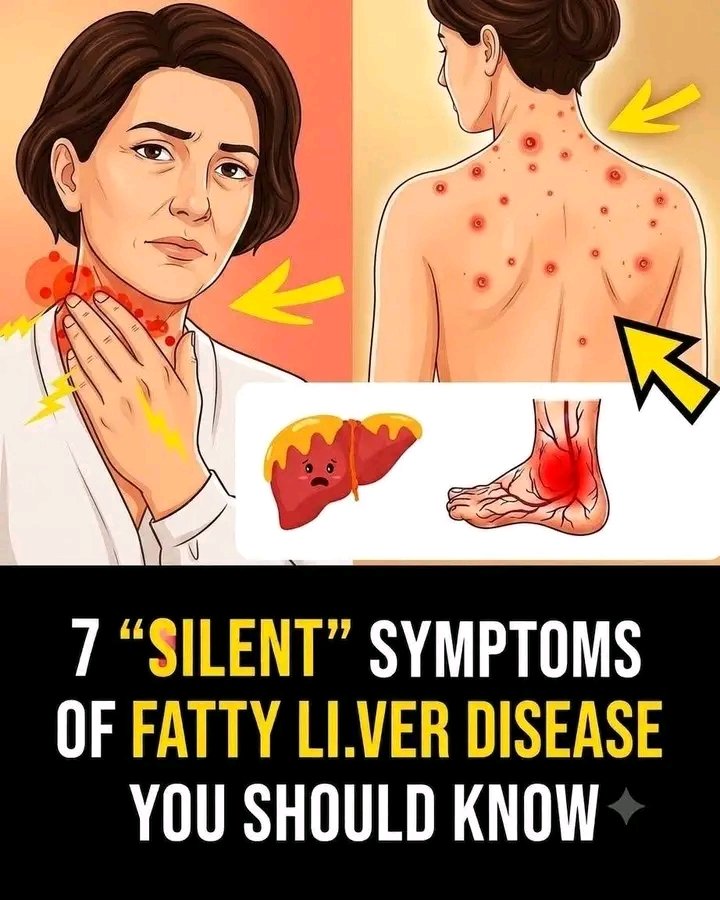
Fatty Liver Often Has Few Obvious Symptoms — But These 7 Signs May Be Worth Noticing
Fatty liver disease is a common condition in which excess fat accumulates in the liver. One of its biggest challenges is that it often develops silently, without noticeable symptoms in its early stages. Many people discover they have fatty liver during routine blood tests or an abdominal ultrasound performed for another reason.
Although some symptoms may be worth discussing with a healthcare professional, they are not specific to fatty liver and cannot confirm the condition on their own. Understanding the potential warning signs can help you recognize when it may be time to seek medical advice.
What Is Fatty Liver Disease?
Fatty liver disease occurs when too much fat builds up inside liver cells. The condition can be associated with excess body weight, insulin resistance, type 2 diabetes, elevated blood fats, and other metabolic factors. Alcohol consumption can also cause fat to accumulate in the liver.
Metabolic dysfunction-associated steatotic liver disease (MASLD), previously known as nonalcoholic fatty liver disease (NAFLD), is a major form of fatty liver disease.
Many people with fatty liver never develop serious liver damage. However, some may develop inflammation, scarring known as fibrosis, or advanced liver disease over time. Early evaluation can help identify people who need closer monitoring or treatment.
7 Signs That May Be Worth Noticing
1. Persistent Fatigue
Feeling unusually tired or lacking energy is sometimes reported by people with fatty liver disease. However, fatigue is extremely common and may also result from poor sleep, stress, anemia, thyroid problems, or other medical conditions.
If tiredness persists despite adequate rest, consider discussing it with your healthcare professional rather than assuming your liver is responsible.
2. Discomfort in the Upper Right Abdomen
Some people experience vague discomfort, pressure, or a dull ache beneath the right side of the rib cage, where the liver is located.
This symptom has many possible causes, including gallbladder problems and digestive conditions. Severe or persistent abdominal pain should be evaluated promptly.
3. Unexplained Weakness
A general feeling of weakness can occur alongside many illnesses, including advanced liver disease. It is not a reliable early indicator of fatty liver, but persistent weakness deserves attention, particularly when accompanied by other symptoms.
4. Abdominal Swelling
A noticeably swollen abdomen can have several causes, including digestive bloating, weight gain, and fluid accumulation.
In advanced liver disease, fluid may collect in the abdomen, a condition called ascites. This is not a typical sign of uncomplicated early fatty liver and requires prompt medical evaluation, especially if the swelling develops quickly.
5. Yellowing of the Skin or Eyes
Yellowing of the whites of the eyes or skin is known as jaundice. It may indicate a problem involving the liver, bile ducts, or breakdown of red blood cells.
Jaundice is not a usual symptom of simple fatty liver. If you notice yellowing, seek urgent medical assessment, particularly if you also have dark urine, pale stools, fever, or abdominal pain.
6. Swelling in the Legs or Ankles
Swelling in the lower legs or ankles can occur when advanced liver disease affects fluid balance. However, it may also be related to heart, kidney, vein, or medication-related problems.
New or unexplained swelling should be assessed by a healthcare professional. Sudden swelling in one leg, especially with pain or redness, requires urgent evaluation.
7. Easy Bruising or Unusual Bleeding
The liver produces proteins needed for normal blood clotting. In advanced liver disease, impaired liver function can contribute to easy bruising or unusual bleeding.
These symptoms have other possible explanations and are not reliable signs of early fatty liver. Seek medical advice if you develop unexplained bruises, frequent nosebleeds, or bleeding that is difficult to stop.
Why Fatty Liver Can Be Difficult to Detect
The liver can continue functioning even while fat accumulates within its cells. As a result, a person may feel perfectly well despite having the condition.
Importantly, normal liver enzyme blood tests do not always rule out fatty liver or liver scarring. Depending on individual risk factors, a clinician may recommend blood tests, an abdominal ultrasound, or additional assessments to estimate the risk of fibrosis.
People with type 2 diabetes, excess abdominal weight, high triglycerides, or several metabolic risk factors may benefit from discussing liver health with their healthcare provider even when they have no symptoms.
How to Support Your Liver Health
There is no single food, drink, or supplement that reliably removes liver fat. However, several evidence-based lifestyle changes can help reduce risk and improve liver health.
Follow a Balanced Eating Pattern
Build meals around vegetables, fruit, whole grains, legumes, nuts, and suitable sources of protein. Limit sugary drinks, excessive added sugar, and highly processed foods.
Work Toward a Healthy Weight
For people who are overweight, gradual and sustained weight loss can reduce liver fat. The appropriate target depends on individual circumstances; crash diets and extreme fasting are unnecessary and may be harmful.
Stay Physically Active
Regular walking, cycling, swimming, or other enjoyable activities can improve metabolic health. A practical goal for many adults is at least 150 minutes of moderate-intensity physical activity per week, adjusted to their abilities and medical needs.
Manage Blood Sugar and Cholesterol
Diabetes, high triglycerides, and other metabolic conditions are closely associated with fatty liver. Following an appropriate treatment plan can help protect your overall health.
Be Careful With Alcohol and Supplements
Alcohol can worsen liver injury in some people. If you have fatty liver or another liver condition, ask your healthcare professional whether avoiding alcohol is advisable. Also, check with a clinician before using herbal remedies or supplements marketed as liver cleanses, since some can damage the liver or interact with medication.
When Should You See a Doctor?
Arrange a medical appointment if you have persistent unexplained fatigue, recurring discomfort in the upper right abdomen, or significant metabolic risk factors.
Seek urgent medical care for yellow skin or eyes, rapidly increasing abdominal swelling, vomiting blood, black stools, new confusion, or severe abdominal pain.
Do not wait for symptoms to appear if you are concerned about your risk. Fatty liver is often silent, and appropriate testing can be more informative than symptoms alone.
Final Thoughts
Fatty liver disease can develop without obvious warning signs, which is why awareness and preventive healthcare matter. Fatigue, abdominal discomfort, swelling, jaundice, and unusual bruising may warrant attention, but none of these symptoms alone proves that someone has fatty liver.
The most useful approach is to understand your personal risk factors, seek appropriate medical assessment, and focus on sustainable habits that support liver and metabolic health.
Disclaimer: This article is for educational purposes only and does not replace professional medical advice, diagnosis, or treatment.
Clarify which signs are advanced diseaseAdd a concise symptom summary table