
Can 2 Drops in Your Ear Restore Your Hearing? What You Need to Know
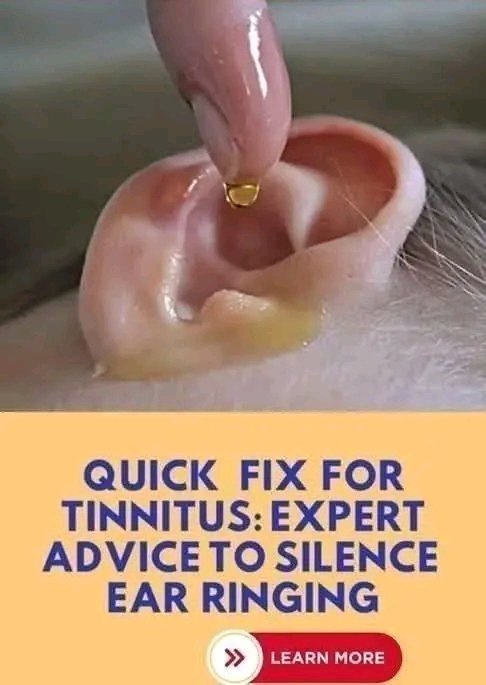
Have you seen claims that putting just two drops of a homemade remedy into your ear can restore your hearing and help you hear as clearly as you did years ago?
These promises can sound appealing, especially for people experiencing muffled hearing, earwax buildup, or age-related hearing loss. However, there is no scientifically proven homemade ear-drop remedy that can restore hearing loss caused by aging, damage to the inner ear, or problems with the auditory nerve.
The right treatment depends on what is causing the hearing problem. In some cases, hearing can improve significantly with appropriate treatment, but using the wrong substance in the ear can cause irritation or even damage.
Why Does Hearing Become Weaker?
Hearing loss can develop gradually or happen suddenly. Several conditions can affect how well you hear.
1. Earwax Buildup
Earwax helps protect the ear canal, but excessive buildup can block sound and cause temporary hearing difficulties.
Other symptoms may include a feeling of fullness, ringing, or discomfort.
When earwax is responsible, hearing may improve after the blockage is safely removed. However, not every hearing problem is caused by earwax.
2. Age-Related Hearing Loss
As people grow older, the delicate structures of the inner ear can gradually change. This can make it harder to hear high-pitched sounds or understand conversations, particularly in noisy environments.
Age-related hearing loss generally cannot be reversed with ear drops, oils, garlic, or other homemade remedies. Hearing aids and other appropriate interventions may help.
3. Ear Infections
An infection or fluid behind the eardrum can cause temporary hearing difficulties, sometimes accompanied by pain, pressure, fever, or discharge.
Treatment depends on the underlying cause. A healthcare professional can determine whether medication or another intervention is needed.
4. Exposure to Loud Noise
Repeated exposure to loud music, machinery, or other intense sounds can damage the sensitive structures responsible for hearing.
This damage may be permanent, which makes hearing protection and early evaluation important.
5. Problems With the Eardrum or Inner Ear
An eardrum injury, certain inner-ear disorders, and some medications can also affect hearing.
Because the causes differ, a hearing test and examination may be necessary to identify the most appropriate treatment.
Can Two Drops of Oil Restore Hearing?
Some online remedies recommend olive oil or other oils for ear problems.
Certain earwax-softening products may help loosen impacted wax when used appropriately, but they do not restore hearing caused by damage to the inner ear or auditory nerve.
Homemade mixtures containing garlic, essential oils, alcohol, hydrogen peroxide, or other household ingredients can irritate the ear canal. Some may be dangerous if the eardrum is perforated or if ear tubes are present.
Do not put unverified homemade mixtures into your ears. If you suspect earwax buildup, ask a pharmacist or healthcare professional about a suitable product, particularly if you have a history of ear surgery, a perforated eardrum, ear tubes, pain, or discharge.
What Can Actually Help Improve Hearing?
The most effective treatment depends on the cause.
If Earwax Is Blocking the Ear
A healthcare professional can examine the ear and recommend safe wax-softening drops or remove the blockage when necessary.
Avoid inserting cotton swabs or other objects deep into the ear canal, as they can push wax farther inside or injure the ear.
If You Have an Ear Infection
A clinician can determine whether the problem requires medication or another treatment. Avoid using leftover ear drops without professional advice.
If You Have Age-Related Hearing Loss
An audiologist or hearing specialist can assess your hearing and discuss options such as hearing aids, assistive listening devices, and communication strategies.
If Hearing Loss Is Related to Noise
Protecting your ears from further loud noise is important. A hearing specialist can determine whether hearing aids or other treatments may help with existing hearing loss.
Warning Signs You Should Never Ignore
Some hearing problems require urgent medical attention.
Seek urgent medical assessment if you experience sudden hearing loss, particularly if it develops in one ear over a few hours or up to three days. Sudden sensorineural hearing loss is a medical emergency, and prompt treatment may improve the chance of recovery.
Do not wait to try home remedies first.
Also seek prompt medical advice if hearing loss occurs with severe dizziness, significant ear pain, discharge, or new neurological symptoms. Facial weakness, difficulty speaking, or other sudden stroke-like symptoms require emergency services.
How to Protect Your Hearing as You Get Older
You can take several practical steps to protect your ears:
- Keep the volume of headphones at a safe level.
- Wear appropriate hearing protection around loud machinery or music.
- Avoid inserting objects into the ear canal.
- Manage medical conditions with your healthcare professional.
- Arrange a hearing assessment if conversations are becoming difficult to follow.
- Ask about medication side effects if you notice a change in hearing after starting treatment.
Regular hearing assessments can help identify changes early and connect you with effective treatment options.
Final Thoughts
The promise that two drops can restore hearing like it was years ago is misleading. Ear drops may help in specific situations, such as certain cases of earwax buildup, but they cannot reverse most forms of age-related or inner-ear hearing loss.
The safest approach is to identify the cause before treating the ear. If hearing has changed, a professional examination can help determine whether the problem is reversible and what treatment is appropriate.
Remember: sudden hearing loss should never be treated with a wait-and-see approach or a homemade remedy. Seek urgent medical care.
Medical disclaimer: This article is for educational purposes only and does not replace professional medical advice, diagnosis, or treatment.