
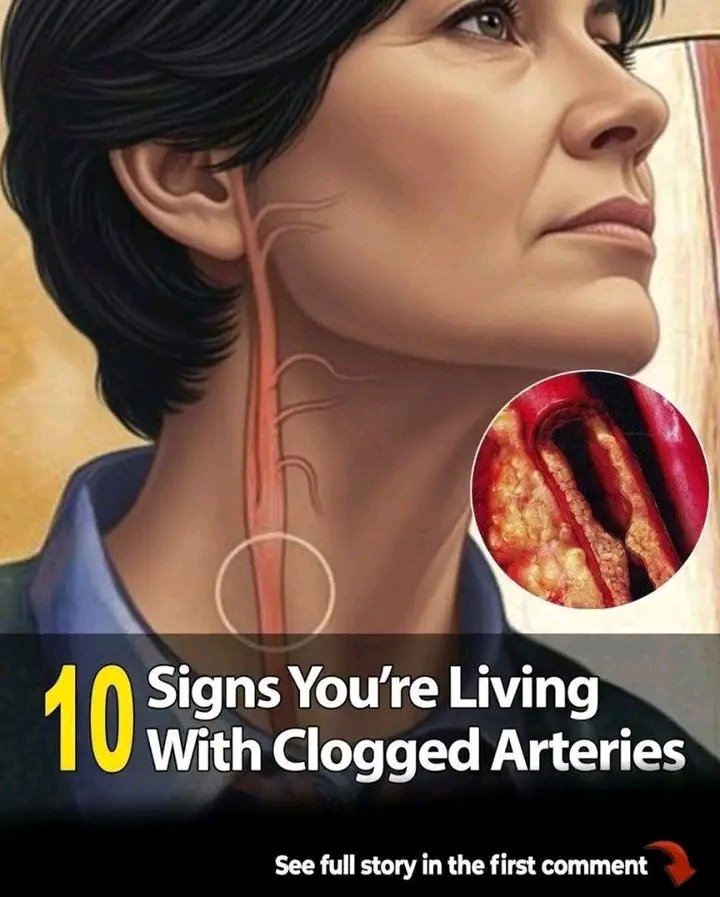
10 Warning Signs of Blocked Arteries You Shouldn’t Ignore
Blocked arteries can develop gradually over many years, sometimes without causing noticeable symptoms until blood flow becomes severely restricted. This condition, often caused by atherosclerosis, occurs when fatty deposits, cholesterol, and other substances build up inside artery walls.
Recognizing possible warning signs is important because reduced blood flow can affect the heart, brain, legs, and other organs. However, not everyone with blocked arteries experiences symptoms, and the signs described below can also have other causes.
Here are 10 potential warning signs to know, when to seek medical attention, and how to help protect your cardiovascular health.
What Causes Arteries to Become Blocked?
Atherosclerosis develops when plaque accumulates inside the arteries, narrowing the space available for blood to flow. Over time, this can reduce the delivery of oxygen-rich blood to important parts of the body.
Factors that increase the risk include:
- High LDL (“bad”) cholesterol
- High blood pressure
- Smoking or tobacco use
- Diabetes
- Physical inactivity
- Excess body weight
- A diet high in saturated fats and sodium
- A family history of cardiovascular disease
- Increasing age
1. Chest Pain, Pressure, or Tightness
Chest discomfort can occur when the heart muscle does not receive enough oxygen-rich blood. This is known as angina and may be associated with narrowed coronary arteries.
The discomfort may feel like pressure, squeezing, heaviness, or tightness in the chest. It can occur during physical activity, emotional stress, or sometimes at rest.
Seek emergency medical care if chest discomfort is new, severe, persistent, or accompanied by shortness of breath, sweating, nausea, or pain spreading to the arm, back, neck, or jaw. These symptoms may indicate a heart attack.
2. Shortness of Breath
Feeling unusually breathless during routine activities may sometimes indicate a heart problem. If the heart cannot pump blood effectively or its blood supply is restricted, everyday tasks can become more difficult.
Shortness of breath has many possible causes, including lung disease, anemia, and other heart conditions. New or worsening breathlessness should be assessed by a healthcare professional.
Sudden or severe difficulty breathing requires emergency care.
3. Leg Pain While Walking
Pain, cramping, heaviness, or tiredness in the calves, thighs, or buttocks during walking may be a sign of peripheral artery disease (PAD).
This condition develops when narrowed arteries reduce blood flow to the legs. The discomfort often improves after resting and returns when walking again.
If you repeatedly experience this pattern, arrange a medical evaluation. Early assessment can help identify circulation problems and reduce the risk of complications.
4. Coldness in One Foot or Leg
A foot or leg that feels unusually cold compared with the other may indicate reduced circulation, particularly when accompanied by pain, color changes, numbness, or weak pulses.
Cold feet alone are not proof of blocked arteries. Temperature, nerve conditions, and other factors can also contribute.
Important: Sudden coldness in one limb, especially with severe pain, paleness, numbness, weakness, or difficulty moving it, can signal an acute loss of blood flow. Seek emergency care immediately.
5. Numbness or Weakness in the Legs
Reduced circulation may sometimes contribute to discomfort or weakness in the legs during activity. However, numbness and weakness can also result from nerve problems, spinal conditions, or other medical issues.
Persistent symptoms deserve medical assessment, particularly when they occur alongside leg pain during walking, slow-healing wounds, or changes in skin color.
Sudden weakness or numbness affecting one side of the body is different: it may indicate a stroke and requires emergency treatment.
6. Sores on the Feet or Legs That Do Not Heal
Poor circulation can make it harder for wounds to heal because damaged tissue may not receive enough oxygen and nutrients.
Warning signs include:
- Sores on the toes, feet, or lower legs that persist
- Wounds that heal unusually slowly
- Skin changes around a sore
- Increasing pain, swelling, or signs of infection
People with diabetes or peripheral artery disease should take foot wounds seriously. Seek prompt medical care for wounds that are not healing, and obtain urgent help if there is spreading redness, fever, blackened tissue, or rapidly worsening pain.
7. Changes in Skin Color
Poor arterial circulation may cause the skin on a foot or leg to look pale, bluish, or unusually shiny. Hair loss on the lower legs and changes in toenail growth can also occur in some people with peripheral artery disease.
These changes are not specific to blocked arteries, but they warrant attention when combined with coldness, pain, wounds, or reduced sensation.
A sudden color change affecting a painful or cold limb requires emergency assessment.
8. Sudden Vision Problems
A temporary or persistent loss of vision, particularly in one eye, can sometimes occur when blood flow to the eye or brain is disrupted.
Other concerning symptoms include sudden double vision or vision loss accompanied by dizziness, difficulty speaking, or weakness.
These symptoms may indicate a stroke or another serious vascular problem. Sudden vision loss is a medical emergency, even if vision returns to normal after a few minutes.
Do not wait for symptoms to disappear before seeking help.
9. Dizziness or Trouble Speaking
Dizziness has many possible causes and is not, by itself, a reliable indicator of blocked arteries.
However, sudden difficulty speaking or understanding speech, facial drooping, loss of balance, or weakness in an arm or leg may signal a stroke caused by interrupted blood flow to the brain.
Remember the FAST warning signs:
- F — Face: One side of the face droops.
- A — Arms: One arm becomes weak or drifts downward.
- S — Speech: Speech becomes slurred or difficult to understand.
- T — Time: Call emergency services immediately.
Other sudden symptoms, including severe balance problems or vision loss, can also indicate a stroke. Do not drive yourself to the hospital.
10. Unusual Fatigue or Reduced Exercise Tolerance
Feeling exhausted more easily than usual may sometimes accompany cardiovascular disease, particularly when the heart is not receiving enough blood or is struggling to pump effectively.
You may notice that familiar activities, such as climbing stairs or walking a short distance, require more effort than before.
Fatigue is a nonspecific symptom and may also result from poor sleep, anemia, thyroid problems, infections, or many other conditions. If it is persistent, unexplained, or getting worse, arrange a medical appointment.
Fatigue accompanied by chest pressure, severe breathlessness, fainting, or cold sweating requires urgent medical attention.
How Are Blocked Arteries Diagnosed?
Symptoms alone cannot confirm that an artery is blocked. A healthcare professional may review your medical history, examine your circulation, and recommend tests depending on your symptoms and risk factors.
Possible tests include:
- Blood tests: Assess cholesterol levels and blood sugar.
- Blood pressure measurement: Identifies high blood pressure.
- Ankle-brachial index (ABI): Compares blood pressure at the ankle and arm to assess circulation in the legs.
- Electrocardiogram (ECG): Evaluates the heart’s electrical activity.
- Ultrasound: Examines blood flow in selected arteries.
- CT angiography or other imaging: May be used when detailed assessment of blood vessels is needed.
Not everyone needs every test. The appropriate evaluation depends on the symptoms and clinical findings.
How to Help Reduce Your Risk of Blocked Arteries
Although some risk factors, such as age and family history, cannot be changed, several lifestyle measures can help protect your arteries.
Eat a Heart-Healthy Diet
Choose vegetables, fruits, beans, whole grains, nuts, fish, and other nutritious protein sources. Limit foods high in saturated fat, excess salt, and added sugar.
Replacing some saturated fats with unsaturated fats, such as olive oil, can support healthier cholesterol levels.
Stay Physically Active
Regular physical activity supports heart health, blood pressure, and blood sugar control. Aim for around 150 minutes of moderate-intensity activity each week if your health allows.
If you experience chest pain or leg pain when walking, seek medical advice before starting or increasing an exercise program.
Avoid Smoking
Smoking damages blood vessels and increases the risk of atherosclerosis, heart attack, stroke, and peripheral artery disease. Quitting can improve cardiovascular health, and professional support can make the process easier.
Monitor Blood Pressure, Cholesterol, and Blood Sugar
High blood pressure, high LDL cholesterol, and diabetes can damage arteries over time. Regular checkups can identify these problems early and help you manage them effectively.
Take Prescribed Medication as Directed
Depending on your individual risk, a healthcare professional may recommend cholesterol-lowering medication, blood pressure treatment, diabetes medication, or antiplatelet therapy in certain circumstances.
Do not start aspirin or stop prescribed medication without discussing it with your healthcare professional.
When Should You Seek Emergency Help?
Call your local emergency service immediately if you experience:
- Chest pressure or pain that may indicate a heart attack
- Sudden severe shortness of breath
- Facial drooping, sudden weakness, or difficulty speaking
- Sudden loss of vision
- A suddenly cold, pale, painful, or numb limb
These symptoms may indicate a heart attack, stroke, or an acute blockage of blood flow. Prompt treatment can be lifesaving.
Final Thoughts
Blocked arteries can develop silently, so waiting for symptoms is not a reliable way to assess your cardiovascular health. Chest discomfort, leg pain during walking, non-healing wounds, sudden neurological symptoms, and unexplained changes in exercise tolerance are among the signs that deserve attention.
None of these symptoms alone proves that an artery is blocked. The safest approach is to recognize concerning changes, seek appropriate medical assessment, and manage risk factors such as high cholesterol, high blood pressure, diabetes, and smoking.
Medical disclaimer: This article is for educational purposes only and is not a substitute for professional medical advice, diagnosis, or treatment. If you suspect a heart attack, stroke, or sudden loss of circulation, seek emergency medical care immediately.
Add a prominent emergency warningClarify symptoms versus artery locations