
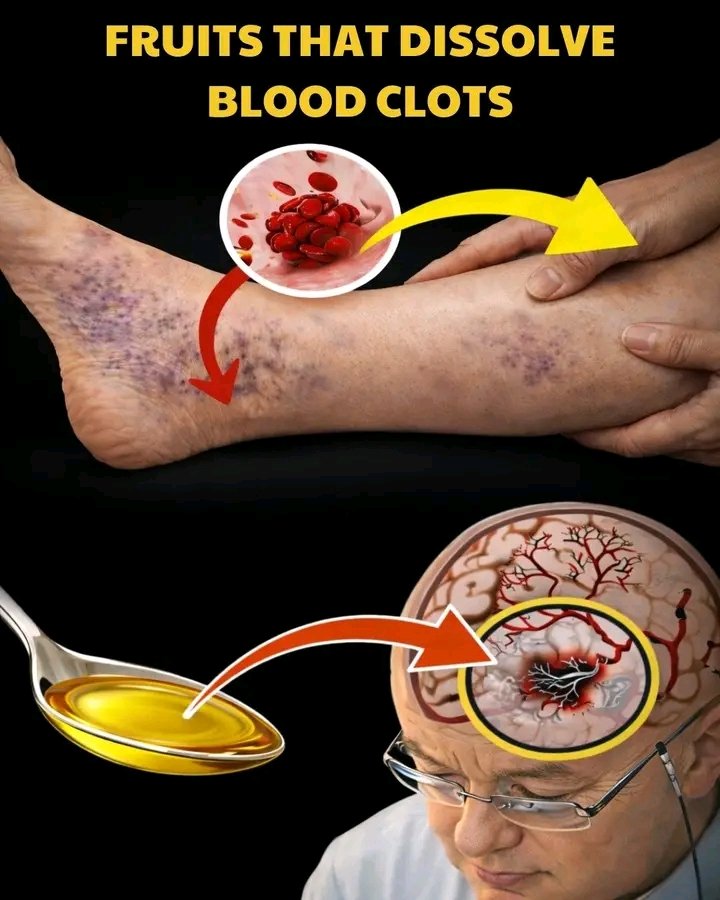
Top 8 Fruits That May Support Healthy Blood Circulation and Blood Vessel Health
Blood circulation plays a vital role in delivering oxygen and nutrients throughout the body. Blood clotting is equally important because it helps stop bleeding when a blood vessel is injured. However, a clot that forms inside a blood vessel when it is not needed can become dangerous, potentially leading to a heart attack, stroke, or pulmonary embolism.
You may have heard that certain fruits can dissolve blood clots naturally. Although fruits contain nutrients that support cardiovascular health, no fruit has been proven to dissolve an existing dangerous blood clot or replace prescribed blood-thinning medication.
The good news is that a balanced diet rich in fruits, vegetables, and other whole foods can support healthy blood vessels and contribute to long-term cardiovascular health.
Here are eight fruits worth including in your diet, along with what science suggests about their benefits and important precautions to know.
1. Berries: Small Fruits Rich in Antioxidants
Strawberries, blueberries, raspberries, and blackberries contain fiber, vitamin C, and plant compounds called polyphenols.
These compounds have been studied for their potential effects on blood vessel function, inflammation, and cardiovascular health. Regularly eating berries as part of a balanced diet may help support healthy circulation, although they are not a treatment for blood clots.
How to enjoy them: Add fresh or frozen berries to oatmeal, plain yogurt, or a fruit salad. Choose whole berries more often than sweetened juices.
2. Oranges: A Source of Vitamin C
Oranges provide vitamin C, potassium, and fiber. Vitamin C contributes to normal collagen formation, which helps maintain the structure of blood vessels.
Oranges also contain plant compounds that contribute to a nutritious, heart-friendly diet.
However, vitamin C does not dissolve blood clots, and eating oranges should not be considered a substitute for medical treatment.
How to enjoy them: Eat a whole orange as a snack or add orange segments to a salad.
Medication note: Grapefruit and some other citrus products can interact with certain medications. If you take prescription medicine, check with your pharmacist about any relevant food interactions.
3. Pomegranates: A Fruit With Promising Plant Compounds
Pomegranates contain polyphenols that have attracted scientific interest for their antioxidant effects and potential relationship to cardiovascular health.
Some preliminary studies have explored their effects on blood pressure and other cardiovascular measures. However, evidence that pomegranate prevents dangerous blood clots in humans is insufficient.
How to enjoy them: Add pomegranate seeds to salads, oatmeal, or plain yogurt.
If you take anticoagulants or other prescription medicines, ask your healthcare professional before regularly consuming concentrated pomegranate supplements or extracts. These products are different from ordinary servings of whole fruit.
4. Kiwi: Vitamin C and Dietary Fiber
Kiwi provides vitamin C, fiber, potassium, and other nutrients that support general health.
Eating fiber-rich fruits can help improve overall dietary quality, while vitamin C supports normal tissue function. Some small studies have investigated kiwi and measures of platelet activity, but the evidence does not establish kiwi as a reliable way to prevent or treat blood clots.
How to enjoy it: Eat fresh kiwi on its own or combine it with other fruits for a nutritious breakfast.
Do not use kiwi or kiwi supplements to replace anticoagulants or antiplatelet medication.
5. Grapes: Naturally Occurring Polyphenols
Grapes contain polyphenols, including resveratrol in some varieties, which have been studied for possible effects on blood vessels and cardiovascular health.
Laboratory findings and early research do not prove that eating grapes prevents dangerous clots. Still, whole grapes can be part of a balanced diet.
How to enjoy them: Eat washed grapes as a snack or add them to a fruit salad. Whole grapes provide fiber and are generally preferable to juice for everyday eating.
People taking medications that affect blood clotting should ask their healthcare professional before using concentrated grape-seed or resveratrol supplements.
6. Apples: Soluble Fiber for Heart Health
Apples contain pectin, a type of soluble fiber that can help support healthy cholesterol levels as part of an appropriate diet.
Managing cholesterol is important because the buildup of plaque in arteries contributes to cardiovascular disease. However, improving cholesterol is not the same as dissolving a blood clot, and apples are not a clot-prevention medication.
How to enjoy them: Eat apples with their skin after washing them thoroughly, or add chopped apple to oatmeal and salads.
7. Watermelon: Hydration and Useful Nutrients
Watermelon contains a high proportion of water and provides vitamin C and other nutrients.
Adequate hydration helps the body function normally, particularly during hot weather or periods of illness. However, drinking water and eating water-rich fruits do not dissolve an existing clot or eliminate the risk of deep vein thrombosis.
How to enjoy it: Eat fresh watermelon as a snack, particularly in warm weather.
If you have heart or kidney disease and have been advised to restrict fluids, follow your healthcare professional’s recommendations rather than increasing fluid intake on your own.
8. Avocados: Healthy Fats and Potassium
Although often treated as a vegetable in cooking, avocados are botanically fruits. They contain monounsaturated fats, fiber, and potassium.
Replacing some saturated fats with unsaturated fats can help improve LDL cholesterol levels, supporting long-term cardiovascular health.
Avocados do not act as blood thinners and have not been proven to dissolve blood clots.
How to enjoy them: Add avocado to whole-grain toast, salads, or sandwiches. They are nutritious but energy-dense, so choose portions that fit your individual needs.
Can Fruits Naturally Thin Your Blood?
The term “blood thinner” is often used for medicines that reduce clot formation, including anticoagulants and antiplatelet drugs. These medications work in different ways and are prescribed for specific medical conditions.
Some foods contain compounds that have been studied for effects on platelets or other processes involved in clotting. However, these findings do not mean that eating a particular fruit provides reliable protection against dangerous clots.
Important points to remember:
- No fruit is a proven treatment for an existing blood clot.
- Fruits cannot replace prescribed anticoagulants or antiplatelet medication.
- Concentrated herbal or fruit extracts may affect medications differently from ordinary food portions.
- If you take warfarin, maintaining a consistent intake of vitamin K-containing foods is important. Most fruits are naturally low in vitamin K, but you should discuss major dietary changes and supplements with your care team.
- Never stop or change a blood-thinning medication without medical guidance.
Warning Signs of a Dangerous Blood Clot
A blood clot can become a medical emergency depending on where it forms.
Possible Deep Vein Thrombosis (DVT)
A clot in a deep vein, commonly in the leg, may cause:
- Swelling in one leg or arm
- Pain or tenderness
- Warmth in the affected area
- Redness or discoloration
These symptoms require urgent medical evaluation, particularly if they are new or unexplained.
Possible Pulmonary Embolism
If a clot travels to the lungs, symptoms may include sudden shortness of breath, chest pain that worsens with breathing, coughing up blood, a rapid heartbeat, or fainting.
Call emergency services immediately if these symptoms occur.
Sudden facial drooping, weakness on one side of the body, difficulty speaking, or sudden vision loss may indicate a stroke and also require emergency care.
How to Support Healthy Circulation Every Day
Along with eating a balanced diet, several habits can support cardiovascular health and reduce certain clot-related risk factors.
Stay Physically Active
Regular movement supports general cardiovascular health. If you sit for long periods, take breaks to stand and move when it is safe to do so.
During long journeys, move your legs regularly and walk when possible. If you have a history of blood clots or other significant risk factors, ask your clinician about additional prevention measures.
Drink Enough Fluids
Drink appropriate amounts of water throughout the day, taking account of your health and any fluid restrictions prescribed by your clinician.
Hydration supports normal body function but is not a substitute for clot prevention or treatment.
Avoid Smoking
Smoking damages blood vessels and increases cardiovascular risks. Quitting can improve your overall health.
Manage Chronic Conditions
Work with your healthcare professional to manage high blood pressure, diabetes, high cholesterol, and other conditions that may affect cardiovascular health.
Follow Your Treatment Plan
If you have previously had a blood clot or have been prescribed medication to prevent one, follow your treatment plan. Your clinician can advise you about physical activity, travel, medications, and any dietary considerations relevant to your condition.
Final Thoughts
Berries, oranges, pomegranates, kiwi, grapes, apples, watermelon, and avocados provide valuable nutrients that can contribute to a healthy diet. Some contain compounds that researchers are investigating for their effects on blood vessels and cardiovascular health.
Nevertheless, no fruit has been proven to dissolve a dangerous blood clot or replace prescribed blood-thinning medication. A balanced diet is one part of cardiovascular health, alongside appropriate physical activity, medical care, and management of individual risk factors.
If you suspect that you have a blood clot, seek medical care instead of trying to treat it with food or supplements.
Medical disclaimer: This article is for educational purposes only and does not replace professional medical advice, diagnosis, or treatment. If you experience sudden shortness of breath, chest pain, coughing up blood, fainting, or signs of a stroke, seek emergency medical care immediately.
Add a concise SEO meta descriptionCreate a quick comparison table