
Doctor Uncovers a Telltale Sign in Your Fingernails That May Reveal Clues About Your Health
Your fingernails may seem like a small detail, but changes in their shape, color, and texture can sometimes offer clues about your overall health. From harmless ridges that develop with age to changes that deserve medical attention, your nails can tell a story about what is happening in your body.
But can a fingernail feature really predict how long you will live?
There is no single nail sign that can reliably predict your life expectancy. Some nail changes are associated with underlying medical conditions, but they cannot determine an individual’s lifespan. <Cite refs={[“turn764856search3″,”turn764856search6”]}/>
1. Nail Clubbing: A Change Worth Checking
One nail change doctors pay attention to is called nail clubbing. It occurs when the fingertips become enlarged and the nails curve more than usual around them.
Clubbing can develop gradually and may be associated with certain lung or heart conditions, as well as some digestive and liver diseases. However, it can also run in families, and not every person with clubbed nails has a serious illness. <Cite refs={[“turn764856search2″,”turn764856search3”]}/>
If you notice a new change in the shape of your fingertips or nails, arrange a medical evaluation rather than trying to diagnose the cause yourself.
2. Vertical Nail Ridges Are Often Normal
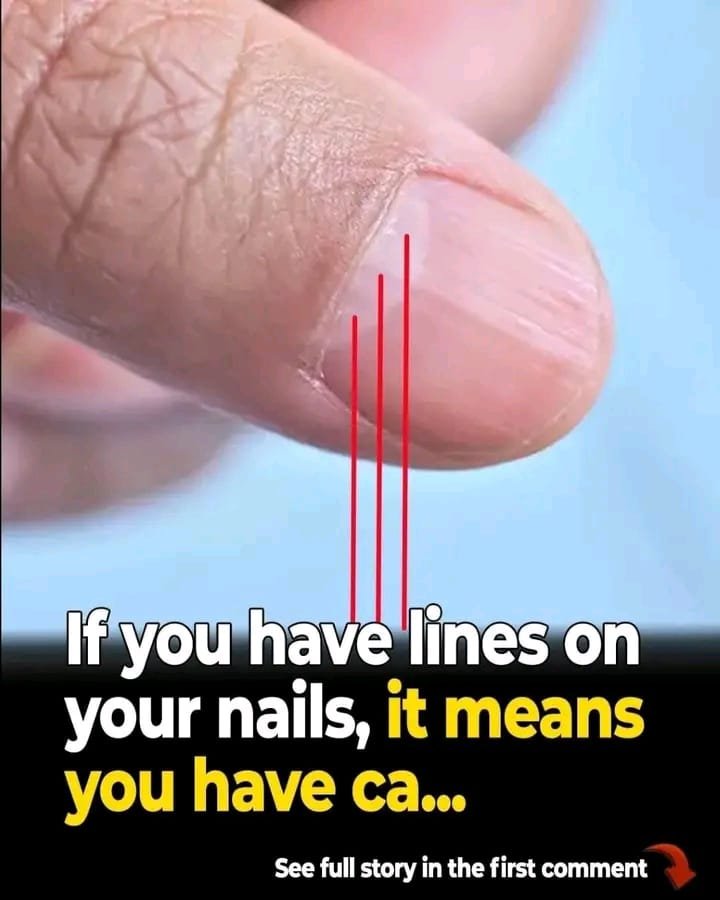
Have you noticed thin lines running from the base of your nails toward their tips?
These are called vertical ridges, and they often become more noticeable with age. In many people, they are harmless and do not indicate a serious health problem.
However, newly developing nail changes, particularly when accompanied by changes in color, thickness, or strength, may warrant a discussion with a healthcare professional. <Cite refs={[“turn764856search0″,”turn764856search1”]}/>
3. Horizontal Grooves May Reflect a Previous Illness
Deep horizontal grooves across a nail are known as Beau’s lines. They can develop when nail growth temporarily slows or stops.
Possible causes include a significant illness, a high fever, an injury, or certain medical treatments. The groove may become visible after the event that affected nail growth, so it does not necessarily indicate that a person is currently ill. <Cite refs={[“turn764856search1″,”turn764856search3”]}/>
If these grooves repeatedly appear or affect several nails without an obvious explanation, seek medical advice.
4. Pale or Spoon-Shaped Nails Can Offer Important Clues
Some changes in nail appearance can be associated with nutritional or medical conditions.
- Spoon-shaped nails: Nails that become thin and curve upward may be associated with iron-deficiency anemia.
- Unusual whitening: Certain patterns of nail whitening can sometimes occur alongside underlying medical conditions.
- Yellow or thickened nails: These may result from fungal infections, nail products, or other health issues.
- New dark streaks: A dark line that appears or changes in a nail should be examined by a dermatologist because, in some cases, it can indicate melanoma.
These signs have multiple possible causes. A nail’s appearance alone cannot confirm a diagnosis. <Cite refs={[“turn764856search3″,”turn764856search6″,”turn764856search11”]}/>
5. What Do Fingernails Really Tell Us About Longevity?
Healthy aging depends on many factors, including genetics, cardiovascular health, nutrition, physical activity, smoking, and access to appropriate medical care.
Nail changes can sometimes alert doctors to conditions that need investigation, but they are not a dependable stand-alone measure of longevity. A person with smooth nails is not guaranteed to be healthy, and someone with ridged nails is not necessarily at risk of a shorter life.
The value of observing your nails is not predicting your death or calculating your lifespan. It is recognizing unusual changes early enough to investigate them when appropriate.
6. When Should You See a Doctor?
Consider making an appointment if you notice:
- A new or progressive change in nail shape.
- Persistent discoloration without an obvious explanation.
- Deep horizontal grooves appearing repeatedly.
- Nails that become unusually brittle, thick, or detached.
- A new or changing dark streak beneath a nail.
- Nail changes accompanied by unexplained fatigue, shortness of breath, or other symptoms.
A healthcare professional can examine your nails, review your medical history, and recommend tests if necessary.
7. Simple Habits for Healthy Nails
You can support nail health by following a few everyday habits:
- Eat a varied diet containing adequate protein, vitamins, and minerals.
- Protect your hands when using cleaning products or harsh chemicals.
- Avoid repeatedly damaging your cuticles or nail beds.
- Keep nails clean and dry.
- Seek treatment for persistent nail infections.
- Avoid taking iron, zinc, or other supplements solely because of nail changes without discussing the need with a healthcare professional.
Final Thoughts
Your fingernails can provide useful clues about your health, but they cannot reveal exactly how long you will live. Vertical ridges are often a normal part of aging, while changes such as nail clubbing, spoon-shaped nails, or a new dark streak may deserve medical attention.
Rather than worrying about a supposed secret sign of life expectancy, pay attention to changes that are new, persistent, or unexplained. When something looks unusual, getting the right medical assessment is far more useful than relying on viral health claims.
Medical disclaimer: This article is for educational purposes only and is not a substitute for professional medical advice, diagnosis, or treatment.
Trusted sources
- Mayo Clinic — 7 fingernail problems not to ignore
- Cleveland Clinic — Nail clubbing: causes and symptoms
- MedlinePlus — Nail abnormalities and possible causes