
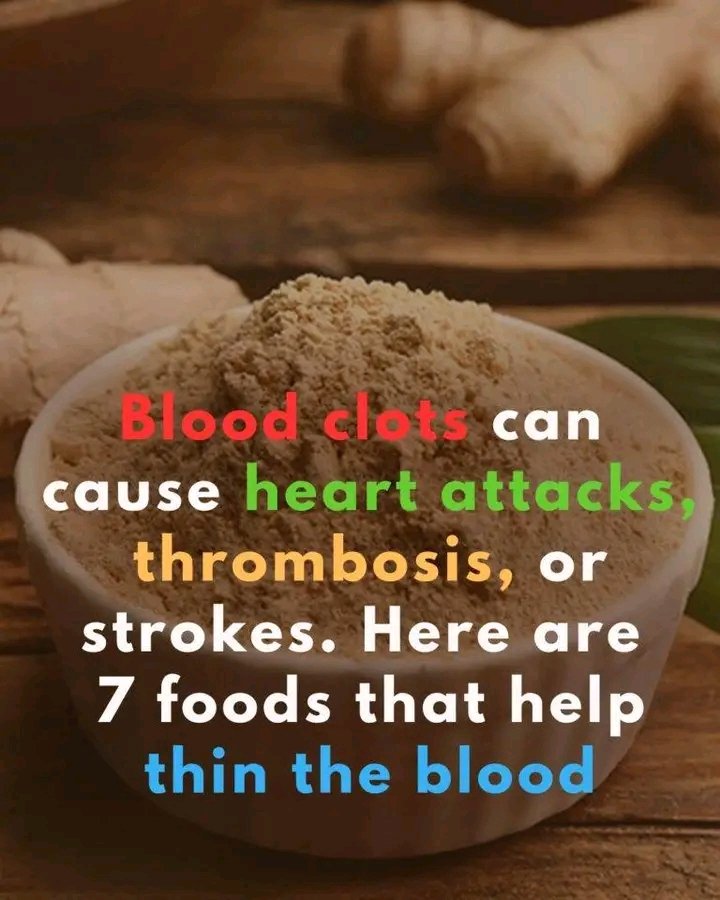
Blood clots can become dangerous when they block blood flow to vital organs, potentially leading to serious conditions such as heart attacks, strokes, and pulmonary embolism. Although certain medical conditions increase the risk of abnormal clot formation, adopting a heart-healthy lifestyle can help support cardiovascular health.
One important step is eating a balanced diet rich in fruits, vegetables, whole grains, healthy fats, and lean proteins. While no food can reliably prevent or dissolve dangerous blood clots on its own, some foods provide nutrients that support healthy blood vessels and overall heart function.
In this article, discover seven nutritious foods to include in your diet and learn how to protect your cardiovascular health safely.
1. Fatty Fish
Fatty fish, including salmon, sardines, mackerel, and trout, are excellent sources of omega-3 fatty acids. These essential fats can help lower triglyceride levels and support cardiovascular health.
Eating fish regularly as part of a balanced diet may contribute to a healthier heart and better overall circulation.
How to enjoy it:
- Bake salmon with lemon and herbs.
- Grill sardines and serve them with fresh vegetables.
- Add cooked fish to a whole-grain salad.
For a healthier option, choose grilled, steamed, or baked fish instead of deep-fried varieties.
2. Garlic
Garlic is a popular ingredient in many traditional cuisines and contains sulfur-containing compounds that have been studied for their potential cardiovascular benefits.
Some research suggests that garlic may have modest effects on blood pressure and cholesterol levels. However, evidence that eating garlic prevents dangerous blood clots is limited.
How to enjoy it:
- Add fresh garlic to soups and vegetable dishes.
- Mix minced garlic with olive oil and lemon juice for a salad dressing.
- Use garlic to season fish, chicken, or beans.
If you take anticoagulant medication, consult your healthcare professional before using concentrated garlic supplements because they may increase the risk of bleeding.
3. Extra-Virgin Olive Oil
Extra-virgin olive oil is a key component of the Mediterranean diet, which emphasizes plant-based foods, healthy fats, and minimally processed ingredients.
It contains monounsaturated fats and beneficial plant compounds that can help support healthy cholesterol levels when used instead of saturated fats.
How to enjoy it:
- Drizzle olive oil over salads.
- Use it to roast vegetables.
- Replace butter with olive oil when appropriate.
Remember that olive oil supports heart health as part of an overall healthy eating pattern; it should not be considered a natural blood-thinning treatment.
4. Berries
Strawberries, blueberries, raspberries, and blackberries provide fiber, vitamins, and antioxidant compounds.
Including berries in your diet can help improve overall dietary quality and support cardiovascular health. Their fiber content also contributes to healthy cholesterol management.
How to enjoy them:
- Add fresh berries to oatmeal.
- Blend them into a smoothie without added sugar.
- Serve them with plain yogurt.
- Eat them as a nutritious snack.
Fresh and frozen berries are both useful choices. Whenever possible, choose varieties without added sugar.
5. Walnuts and Other Nuts
Walnuts, almonds, and other unsalted nuts provide unsaturated fats, fiber, and minerals that contribute to a heart-healthy diet.
Walnuts are particularly known for containing alpha-linolenic acid, a plant-based omega-3 fatty acid. Replacing some foods high in saturated fat with nuts may help improve cholesterol levels.
How to enjoy them:
- Eat a small handful of unsalted nuts as a snack.
- Sprinkle chopped walnuts over oatmeal.
- Add almonds to salads or homemade whole-grain dishes.
Nuts are energy-dense, so moderate portions are generally best.
6. Leafy Green Vegetables
Spinach, kale, broccoli, and other leafy green vegetables provide vitamins, minerals, fiber, and antioxidants.
These vegetables are valuable components of a balanced diet and can help support blood pressure management and overall cardiovascular health.
However, leafy greens contain vitamin K, which affects how warfarin works. People taking warfarin do not usually need to avoid these foods, but they should maintain a consistent intake and follow their healthcare professional’s advice.
How to enjoy them:
- Prepare a fresh green salad.
- Add spinach to soups or omelets.
- Steam broccoli as a side dish.
- Combine leafy greens with beans and whole grains.
A varied diet that includes vegetables is generally beneficial for long-term health.
7. Whole Grains
Oats, brown rice, barley, and whole-wheat bread provide dietary fiber and other nutrients that support cardiovascular health.
Soluble fiber, particularly the type found in oats and barley, can help lower LDL cholesterol. Replacing refined grains with whole grains is a practical way to improve the nutritional quality of your meals.
How to enjoy them:
- Start your morning with oatmeal.
- Choose brown rice instead of white rice when suitable.
- Replace white bread with whole-grain bread.
- Add barley to vegetable soups.
Whole grains do not directly dissolve blood clots, but they can contribute to a dietary pattern that supports long-term heart health.
Other Important Ways to Reduce Blood Clot Risk
Diet is only one part of cardiovascular protection. Depending on your individual risk factors, the following habits may also help:
- Stay physically active: Regular movement supports general cardiovascular health and helps reduce prolonged inactivity.
- Avoid sitting for long periods: Take breaks to stand, stretch, and walk, especially during long journeys.
- Maintain a healthy blood pressure: Have your blood pressure checked and follow medical advice.
- Avoid smoking: Smoking increases cardiovascular risk.
- Manage cholesterol and diabetes: Follow recommended screening and treatment plans.
- Follow prescribed medication instructions: If you have been prescribed a blood thinner, take it exactly as directed.
People with a previous blood clot, certain heart rhythm disorders, recent surgery, or other risk factors may need individualized prevention measures.
Can Food Naturally Dissolve Blood Clots?
No food has been proven to reliably dissolve an established blood clot or replace medical treatment.
Blood-thinning medicines, also known as anticoagulants, work by interfering with the body’s clotting process. They are prescribed when medically necessary to reduce the risk of dangerous clots.
If you suspect you have a blood clot, do not attempt to treat it with garlic, ginger, turmeric, or other foods or supplements. Seek urgent medical assessment.
Seek emergency medical care immediately if you experience sudden chest pain, difficulty breathing, coughing up blood, or sudden facial drooping, weakness, or difficulty speaking. These symptoms can indicate a life-threatening emergency.
Important Precautions for People Taking Blood Thinners
If you take warfarin or another anticoagulant, talk to your doctor or pharmacist before making major dietary changes or starting herbal supplements.
Some foods, medicines, and supplements can alter the effects of anticoagulants or increase bleeding risk. In particular, people taking warfarin should keep their vitamin K intake consistent rather than suddenly increasing or eliminating leafy green vegetables.
Never stop, reduce, or replace a prescribed blood-thinning medicine without medical advice.
Frequently Asked Questions
1. What foods are good for heart health?
Fatty fish, berries, nuts, leafy green vegetables, whole grains, legumes, and olive oil can all be part of a heart-healthy eating pattern.
2. Does garlic prevent blood clots?
Garlic has been studied for several potential cardiovascular effects, but there is insufficient evidence that eating garlic prevents dangerous blood clots. Garlic supplements may also interact with certain medications.
3. Can drinking water prevent blood clots?
Staying adequately hydrated supports normal bodily functions. However, drinking water alone cannot prevent every blood clot or replace prescribed medication.
4. Are bananas good for circulation?
Bananas provide potassium and other nutrients that contribute to a balanced diet. They are not a proven treatment for blood clots, but they can be included in a heart-healthy eating plan for most people.
5. Should people taking blood thinners avoid green vegetables?
Not necessarily. People taking warfarin should generally maintain a consistent vitamin K intake and discuss dietary changes with their healthcare professional. Advice may differ for other anticoagulant medicines.
Final Thoughts
Protecting your heart begins with consistent, healthy habits. Fatty fish, garlic, olive oil, berries, nuts, leafy green vegetables, and whole grains can contribute to a nutritious diet that supports cardiovascular health.
However, these foods should not be described as natural substitutes for blood-thinning medication or as guaranteed ways to prevent heart attacks, strokes, or thrombosis.
The most effective approach combines a balanced diet, regular physical activity, management of cardiovascular risk factors, and appropriate medical care. If you are concerned about blood clots or your personal risk, speak with a qualified healthcare professional.
Disclaimer: This article is for educational purposes only and is not a substitute for professional medical advice, diagnosis, or treatment.