
Introduction
Pain in the lower back, hips, buttocks, or legs can interfere with everyday activities, from walking and sitting to exercising and sleeping comfortably. One possible contributor to these symptoms is irritation or tightness involving the piriformis muscle, a small but important muscle located deep in the buttock.
The piriformis helps rotate the hip outward and contributes to pelvic stability during movement. Because the sciatic nerve runs close to this muscle, irritation in the surrounding area may sometimes be associated with pain that radiates down the leg.
Gentle piriformis stretching can help improve hip mobility, reduce muscular tension, and support more comfortable movement. However, not all back or leg pain originates in this muscle, and stretching should be performed carefully, particularly when symptoms are severe or persistent.
What Is the Piriformis Muscle?
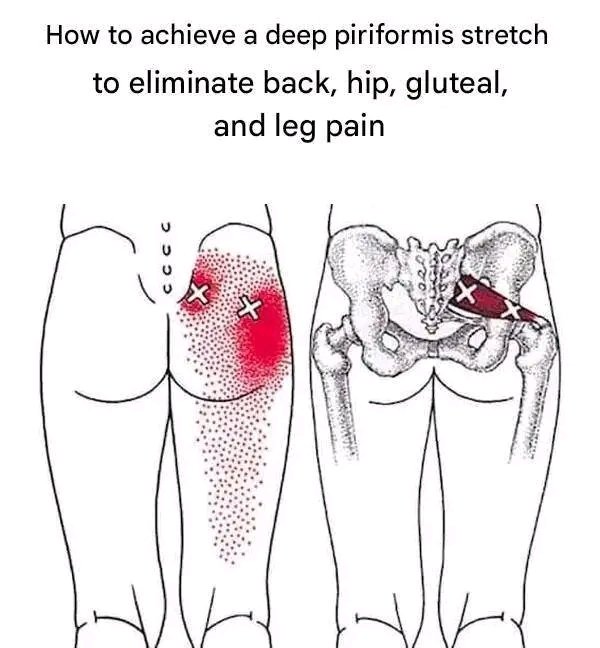
The piriformis is a small, deep muscle that connects the sacrum, at the base of the spine, to the upper portion of the femur. Its primary functions include rotating the hip outward and assisting with hip stabilization.
When this muscle becomes irritated or sensitive, some people experience discomfort deep in the buttock, tenderness around the hip, or pain that extends into the back of the thigh. In certain cases, nearby sciatic nerve irritation may contribute to tingling, numbness, or radiating pain.
It is important to understand that similar symptoms can also result from lumbar spine problems, hip joint conditions, or other musculoskeletal disorders. Piriformis stretching may be helpful for some people, but it is not a universal solution for sciatica or lower back pain.
Benefits of Gentle Piriformis Stretching
When appropriate for the underlying problem, a controlled stretching routine may offer several benefits.
1. Improved Hip Flexibility
Regular, gentle stretching can help maintain or improve hip mobility, making everyday movements such as bending, walking, and getting up from a chair more comfortable.
2. Reduced Muscular Tension
A comfortable stretch may help relieve a sensation of tightness in the deep buttock muscles, particularly after prolonged sitting or physical activity.
3. Better Movement and Posture
Improved hip mobility can support more natural movement patterns and make it easier to change positions throughout the day.
4. Support for an Active Lifestyle
When combined with appropriate strengthening exercises and regular movement, stretching may form part of a broader approach to maintaining hip function and managing certain types of muscular discomfort.
These benefits vary from person to person. Stretching should not be expected to eliminate every cause of back, hip, or leg pain.
How to Perform a Deep Piriformis Stretch Safely
The following exercises are commonly used to stretch the muscles around the hip and buttock. Begin with the gentlest variation and avoid forcing your body into a deep position.
Exercise 1: Supine Figure-Four Stretch
This exercise targets the piriformis and surrounding hip muscles while allowing you to support your back on the floor.
Instructions:
- Lie on your back on a comfortable exercise mat.
- Bend both knees and place your feet flat on the floor.
- Cross your right ankle over your left thigh, just above the knee, forming a figure-four shape.
- Keep your right foot gently flexed and avoid pressing directly on the knee.
- If comfortable, lift your left foot and bring your left thigh toward your chest.
- Hold behind your left thigh and gently draw it closer until you feel a mild stretch in your right buttock.
- Breathe slowly and keep your shoulders and neck relaxed.
- Hold for 20–30 seconds, then release gradually.
- Repeat on the opposite side.
Perform one to three repetitions per side, depending on your comfort level.
Important: Do not pull aggressively on your leg or allow the knee to twist painfully. If the movement increases shooting pain, tingling, or numbness, stop.
Exercise 2: Seated Piriformis Stretch
The seated variation is useful for people who prefer to stretch without lying on the floor.
Instructions:
- Sit upright on a stable chair with both feet resting on the floor.
- Place your right ankle across your left thigh, above the knee.
- Maintain a comfortable, upright spine.
- Gently lean forward from your hips while keeping your back relatively straight.
- Stop when you feel a mild stretch in the right buttock.
- Hold for 20–30 seconds while breathing normally.
- Return to the starting position and repeat on the other side.
Avoid rounding your back excessively or pushing the crossed knee downward. If you have difficulty balancing or experience hip joint pain, choose another variation.
Exercise 3: Gentle Supine Knee-to-Opposite-Shoulder Stretch
This movement may stretch the gluteal region and external hip rotators.
Instructions:
- Lie on your back with both knees bent.
- Gently bring your right knee toward your chest.
- Guide the knee slightly toward your left shoulder, only as far as feels comfortable.
- Keep your pelvis relaxed and avoid lifting or twisting your lower back excessively.
- Hold for 15–20 seconds.
- Slowly return your leg to the floor and repeat on the opposite side.
This exercise should create a mild stretching sensation rather than sharp pain or increased nerve symptoms.
Exercise 4: Gentle Hip Mobility Movement
Sometimes, gentle movement is better tolerated than holding a prolonged stretch.
Instructions:
- Lie on your back with your knees bent and feet flat.
- Slowly allow one knee to move a small distance inward and outward.
- Keep the movement controlled and pain-free.
- Repeat five to ten times on each side.
The aim is to encourage comfortable hip movement rather than force the muscle into a stretched position.
How Often Should You Stretch?
For most people who tolerate these movements comfortably, a simple starting routine may include:
- Frequency: Once daily, or several times per week.
- Duration: Hold static stretches for approximately 20–30 seconds.
- Repetitions: One to three repetitions per side.
- Intensity: Gentle tension without sharp pain, numbness, or tingling.
- Progression: Increase the range gradually only if symptoms remain stable or improve.
Consistency is more important than intensity. A deep stretch is not necessarily more effective than a gentle one, and forcing the hip into an uncomfortable position may aggravate symptoms.
If stretching repeatedly makes your pain worse, discontinue the exercise and seek advice from a qualified healthcare professional.
Common Mistakes to Avoid
Forcing the Stretch
Pulling the knee too close to the chest or pushing it downward aggressively may irritate the hip or surrounding tissues. Move slowly and stop at the first sign of sharp or radiating pain.
Ignoring Nerve Symptoms
Tingling, numbness, burning sensations, or electric-shock-like pain may indicate nerve irritation. These symptoms should not be treated as evidence that the muscle is receiving a better stretch.
Holding Your Breath
Relaxed breathing helps you maintain a comfortable position. Avoid holding your breath or tensing your entire body during the exercise.
Stretching Through Severe Pain
Stretching should feel controlled and tolerable. Persistent or worsening pain is a reason to stop rather than push harder.
Relying on Stretching Alone
Long-term improvement may require a combination of appropriate movement, strengthening, changes in sitting habits, and treatment of the underlying cause.
Additional Ways to Support Hip and Back Comfort
Alongside gentle stretching, several practical habits may help support musculoskeletal health.
Take regular movement breaks. If you spend long periods sitting, stand up and move around periodically. Adjust your sitting position whenever it becomes uncomfortable.
Build strength gradually. Exercises that strengthen the gluteal muscles, trunk, and hips may improve movement control and support the pelvis. The most appropriate exercises depend on your symptoms and physical abilities.
Stay physically active within your limits. Comfortable walking and other low-impact activities may help maintain mobility. Reduce or modify activities that consistently aggravate your symptoms.
Use comfortable positions. Avoid remaining in one position for too long. When resting, choose a position that reduces discomfort without forcing the hip or lower back into an extreme posture.
Seek an individualized assessment. A physiotherapist or other qualified healthcare professional can help determine whether the piriformis is likely to be contributing to your symptoms and recommend exercises suited to your condition.
When Should You Seek Medical Attention?
Not every episode of buttock or leg pain requires urgent treatment, but certain symptoms should never be ignored.
Seek emergency medical attention if back pain is accompanied by new difficulty controlling your bladder or bowels, inability to urinate, numbness around the groin or saddle region, or rapidly worsening weakness in the legs.
Prompt medical assessment is also appropriate for new or progressive leg weakness, significant numbness, severe pain following an injury, fever associated with back pain, or symptoms that persist or progressively worsen.
If pain repeatedly travels from the back or buttock down the leg, a professional assessment can help distinguish piriformis-related symptoms from other causes, including nerve root irritation in the lumbar spine.
Frequently Asked Questions
Can piriformis stretching relieve sciatica?
It may help some people whose symptoms are related to the piriformis or surrounding hip muscles. However, sciatica can arise from several different conditions, including problems involving the lumbar spine. Stretching is not appropriate for every cause of sciatic pain.
How long does it take to notice improvement?
Some people notice temporary relief after a gentle session, while others require several weeks of an individualized exercise program. Recovery depends on the underlying cause, symptom severity, and response to treatment.
Should I stretch if the pain travels down my leg?
Use caution. If stretching increases radiating pain, tingling, or numbness, stop. Persistent or progressive symptoms should be assessed by a healthcare professional.
Is it safe to perform these stretches every day?
Gentle stretching may be suitable for daily practice when it is comfortable and appropriate for your condition. There is no need to stretch through pain or force a greater range of motion.
Does a tight piriformis always cause back pain?
No. Piriformis tightness does not necessarily cause pain, and lower back pain has many possible causes. Symptoms alone cannot reliably establish a diagnosis.
Conclusion
Piriformis stretching can be a useful part of a gentle mobility routine for people experiencing certain types of hip and buttock discomfort. The supine figure-four stretch, seated piriformis stretch, and controlled hip mobility exercises offer practical ways to work on flexibility without requiring specialized equipment.
The key is to move gradually, breathe normally, and respect your body’s limits. A stretch should not produce sharp pain, increasing numbness, or worsening symptoms down the leg. For persistent or unexplained discomfort, professional assessment is essential to identify the underlying cause and guide appropriate treatment.
With the right approach, gentle movement, consistent exercise, and individualized care can help support better mobility and more comfortable daily activity.