
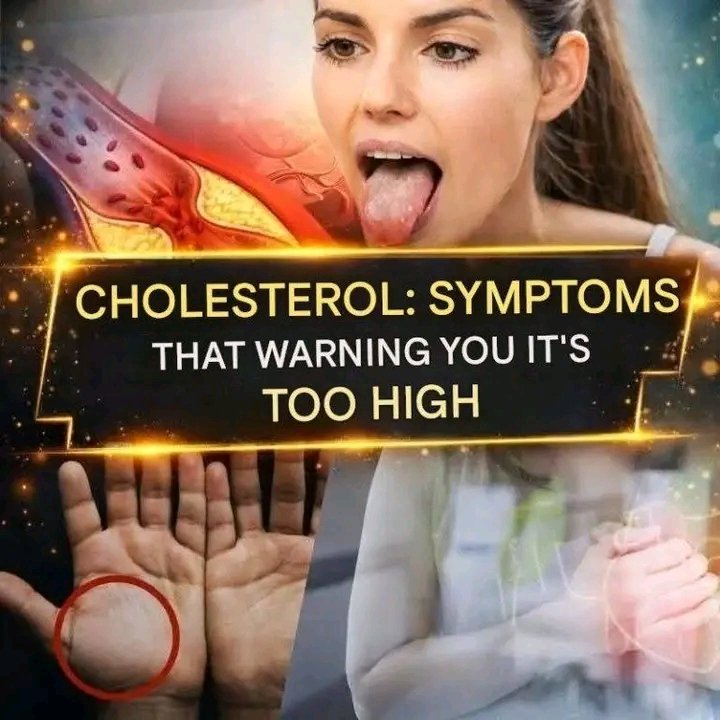
High cholesterol is a common health concern that can increase the risk of heart disease, stroke, and other serious cardiovascular problems. What makes it particularly dangerous is that high cholesterol usually causes no noticeable symptoms in its early stages. Many people live with elevated cholesterol for years without realizing it.
Although certain physical changes may occasionally be associated with cholesterol disorders, a blood test remains the most reliable way to determine whether your cholesterol levels are too high. Understanding the risk factors, recognizing unusual warning signs, and taking preventive measures can help protect your long-term health.
What Is High Cholesterol?
Cholesterol is a waxy, fat-like substance found in your blood. Your body needs it to produce hormones, build cell membranes, and support several essential functions.
However, having too much cholesterol in your bloodstream can contribute to the buildup of fatty deposits inside your arteries. This condition, known as atherosclerosis, can restrict blood flow and increase the risk of heart attacks and strokes.
There are two main types of cholesterol to understand:
- Low-density lipoprotein (LDL): Often called “bad cholesterol,” LDL can contribute to plaque buildup in the arteries when levels are elevated.
- High-density lipoprotein (HDL): Commonly known as “good cholesterol,” HDL helps transport cholesterol back to the liver for processing and removal.
Triglycerides, another type of fat in the blood, also play an important role in cardiovascular health. High triglycerides, especially when combined with elevated LDL or low HDL, can increase health risks.
High Cholesterol Symptoms: What Should You Look For?
1. Chest Pain or Pressure
Chest discomfort can occur when cholesterol-related plaque narrows the arteries supplying blood to the heart. This may cause angina, which can feel like pressure, tightness, heaviness, or pain in the chest.
The discomfort may appear during physical activity or emotional stress, although symptoms can also occur at rest.
Important: Chest pain is not a reliable early symptom of high cholesterol itself. If you experience new or severe chest pain, particularly with shortness of breath, sweating, nausea, or pain spreading to the arm or jaw, seek emergency medical care.
2. Pain in the Legs While Walking
Atherosclerosis can affect arteries outside the heart, including those supplying blood to the legs. Reduced circulation may cause muscle pain, cramping, or fatigue during walking that improves after resting.
This condition is known as peripheral artery disease (PAD).
Leg pain has many possible causes, so it should not automatically be attributed to high cholesterol. Persistent symptoms deserve medical evaluation.
3. Yellowish Deposits Around the Eyes
Some people with inherited or severe cholesterol disorders develop yellowish fatty deposits under the skin, including around the eyelids. These deposits are called xanthelasma.
Although xanthelasma can be associated with abnormal blood lipids, it can also occur in people whose cholesterol levels are normal. A medical assessment and blood test are therefore important.
4. Lumps or Thickening Around Tendons
Tendon xanthomas are fatty deposits that may appear as firm lumps around the Achilles tendon or the tendons of the hands and fingers.
These deposits can be a sign of familial hypercholesterolemia, an inherited condition that causes very high LDL cholesterol levels.
Anyone noticing unexplained tendon lumps or thickening should consult a healthcare professional, particularly if there is a family history of early heart disease.
5. White or Gray Rings Around the Cornea
A pale gray or white ring around the outer edge of the cornea is known as corneal arcus. It becomes more common with age and does not necessarily indicate high cholesterol.
However, when this finding occurs in a younger person, it may warrant checking cholesterol levels, especially if other risk factors are present.
6. Sudden Weakness, Numbness, or Difficulty Speaking
High cholesterol can contribute to the development of arterial plaque, increasing the risk of stroke over time.
Sudden weakness or numbness on one side of the body, facial drooping, confusion, difficulty speaking, or sudden vision problems may indicate a stroke.
These are not ordinary warning signs to monitor at home. Call emergency services immediately if stroke symptoms appear, even if they disappear after a few minutes.
Can You Have High Cholesterol Without Symptoms?
Yes. In fact, most people with high cholesterol do not experience recognizable symptoms.
Elevated cholesterol can silently contribute to arterial plaque formation over many years. A person may feel completely healthy while their cardiovascular risk gradually increases.
For this reason, waiting for symptoms before checking cholesterol is not a safe approach. A lipid profile can measure total cholesterol, LDL cholesterol, HDL cholesterol, and triglycerides, helping a healthcare professional assess your risk.
What Causes High Cholesterol?
Several factors can contribute to elevated cholesterol levels, including:
- Dietary habits: A diet high in saturated fats and certain sources of trans fats can raise LDL cholesterol.
- Genetics: Inherited conditions, including familial hypercholesterolemia, can cause very high cholesterol even in people who maintain healthy habits.
- Physical inactivity: Limited regular exercise can negatively affect your overall lipid profile and cardiovascular health.
- Excess body weight: Excess weight may contribute to unfavorable cholesterol and triglyceride levels.
- Smoking: Smoking damages blood vessels and lowers HDL cholesterol in many people.
- Certain medical conditions: Diabetes, hypothyroidism, and some kidney or liver disorders can affect blood lipid levels.
- Age and family history: Cholesterol levels and cardiovascular risk can change with age, while a family history of premature heart disease may indicate increased inherited risk.
Understanding which factors apply to you can help guide appropriate screening and treatment.
How to Know If Your Cholesterol Is Too High
The most dependable method is a blood test called a lipid profile.
Your healthcare professional may consider the following measurements:
| Measurement | What It Tells You |
|---|---|
| Total cholesterol | The overall amount of cholesterol carried in the blood |
| LDL cholesterol | The cholesterol most directly associated with plaque buildup |
| HDL cholesterol | The cholesterol involved in transporting cholesterol back to the liver |
| Triglycerides | A type of blood fat associated with cardiovascular and metabolic risk |
There is no single LDL target that is appropriate for everyone. Your ideal level depends on your overall cardiovascular risk, medical history, and whether you already have conditions such as heart disease or diabetes.
Your healthcare professional can explain your results and determine whether lifestyle changes, medication, or both are appropriate.
How to Lower High Cholesterol Naturally
Healthy daily habits can improve cholesterol levels and support cardiovascular health. However, lifestyle changes alone may not be sufficient for people with very high cholesterol or inherited conditions.
1. Choose Heart-Healthy Foods
Build your diet around vegetables, fruits, whole grains, beans, lentils, nuts, seeds, and other fiber-rich foods.
Soluble fiber, found in foods such as oats, barley, beans, and apples, can help reduce LDL cholesterol.
Choose unsaturated fats from sources such as olive oil, nuts, seeds, and fish more often than butter, fatty meats, and other foods rich in saturated fats.
2. Exercise Regularly
Regular physical activity supports heart health and can improve triglyceride levels and other aspects of your lipid profile.
Aim for at least 150 minutes of moderate-intensity aerobic activity per week, if your health allows. Brisk walking, cycling, and swimming are practical options.
If you have an existing medical condition or have been inactive for a long time, ask your healthcare professional how to begin safely.
3. Avoid Smoking
Stopping smoking improves cardiovascular health and reduces damage to blood vessels. It is one of the most important steps you can take to lower your overall risk of heart disease.
4. Maintain a Healthy Weight
If you are overweight, gradual weight loss may help improve LDL cholesterol, triglycerides, and other cardiovascular risk factors.
Focus on sustainable eating habits and regular movement rather than extreme diets or rapid weight-loss methods.
5. Take Prescribed Medication as Directed
Some people need cholesterol-lowering medication, such as statins, in addition to lifestyle changes.
Do not stop, reduce, or replace prescribed medication with supplements or home remedies without discussing it with your healthcare professional. Effective treatment can significantly reduce cardiovascular risk when appropriately prescribed.
How Often Should You Check Your Cholesterol?
The appropriate screening schedule depends on your age, personal risk factors, family history, and previous test results.
Adults should discuss cholesterol screening with their healthcare professional, particularly if they have diabetes, high blood pressure, smoke, have a family history of premature cardiovascular disease, or have previously recorded elevated cholesterol.
People with familial hypercholesterolemia may need earlier testing and more intensive treatment. Children and teenagers with relevant family histories or other risk factors may also require screening.
Rather than following one schedule for everyone, ask your healthcare professional when you should have your next lipid profile.
Frequently Asked Questions
What is the first sign of high cholesterol?
There is usually no first noticeable sign. Most people with high cholesterol feel well, which is why blood testing is essential.
Can high cholesterol cause headaches or dizziness?
High cholesterol itself does not typically cause headaches or dizziness. These symptoms have many possible causes and should be assessed according to their severity and accompanying symptoms.
Can drinking water lower cholesterol?
Drinking enough water supports general health, but water does not directly lower elevated LDL cholesterol. A heart-healthy diet, regular physical activity, and appropriate medical treatment are more effective approaches.
Can high cholesterol be reversed?
Cholesterol levels can often be improved through lifestyle changes and, when necessary, medication. The degree of improvement depends on the underlying cause, genetics, and individual risk factors.
Are natural remedies enough to treat high cholesterol?
Not always. Some dietary changes can improve cholesterol levels, but supplements and home remedies should not replace proven treatment when medication is medically necessary.
Is high cholesterol dangerous if I feel healthy?
Yes. High cholesterol can contribute to artery disease without producing symptoms. Feeling healthy does not guarantee that your cholesterol levels are normal.
Final Thoughts
High cholesterol is a significant but manageable cardiovascular risk factor. Because it rarely causes symptoms on its own, regular blood testing is far more reliable than looking for physical warning signs.
Pay attention to unusual changes such as unexplained tendon deposits, and never ignore symptoms that could indicate a heart attack or stroke. At the same time, remember that these findings have different possible causes and cannot confirm high cholesterol without proper testing.
A balanced diet, regular exercise, avoiding smoking, and following an appropriate treatment plan can help protect your heart and blood vessels for years to come.
Your most important step is simple: know your cholesterol numbers, understand your personal risk, and work with a healthcare professional to keep them under control.