
Blood pressure is one of the most important indicators of cardiovascular health. It measures the force of blood pushing against the walls of the arteries as the heart pumps. Maintaining healthy blood pressure can help reduce the risk of heart disease, stroke, kidney disease, and other serious health complications.
Many people believe that a blood pressure reading of 120/80 mmHg is the only normal value. However, blood pressure can vary depending on age, physical activity, stress, medications, and individual health conditions. Understanding what your numbers mean is essential for monitoring your health and knowing when to seek medical advice.
In this guide, we will explain blood pressure readings, discuss how they are classified, and explore what people of different ages should know about maintaining healthy blood pressure.
What Do Blood Pressure Numbers Mean?
A blood pressure reading consists of two numbers, usually written as systolic over diastolic pressure.
- Systolic pressure (the top number): Measures the pressure in your arteries when your heart contracts and pumps blood.
- Diastolic pressure (the bottom number): Measures the pressure in your arteries when your heart relaxes between beats.
For example, a reading of 120/80 mmHg means a systolic pressure of 120 and a diastolic pressure of 80 millimeters of mercury.
Both numbers matter when assessing cardiovascular health. A healthcare professional considers the overall reading, repeated measurements, age, and other relevant health factors before making a diagnosis.
Is 120/80 mmHg Normal Blood Pressure?
Yes. A blood pressure reading below 120/80 mmHg is generally considered normal for adults under widely used American Heart Association guidelines. A reading of exactly 120/80 is not classified as entirely normal under those guidelines because a diastolic reading of 80 falls within the stage 1 hypertension range.
Nevertheless, a single reading does not establish whether someone has high or low blood pressure. Blood pressure naturally fluctuates throughout the day, and measurements should be interpreted in context.
For most adults, the goal is to maintain blood pressure within a healthy range while considering individual medical needs.
Blood Pressure Categories for Adults
The following table summarizes commonly used American Heart Association categories for adults.
| Blood Pressure Category | Systolic (Top Number) | Diastolic (Bottom Number) |
|---|---|---|
| Normal | Below 120 | Below 80 |
| Elevated | 120–129 | Below 80 |
| High Blood Pressure — Stage 1 | 130–139 | 80–89 |
| High Blood Pressure — Stage 2 | 140 or higher | 90 or higher |
| Severe Hypertension | Higher than 180 and/or higher than 120 | Higher than 120 and/or higher than 180 |
Important: When the systolic and diastolic numbers fall into different categories, the higher category generally determines the classification. Severe hypertension requires prompt attention, particularly when accompanied by concerning symptoms.
What Is Normal Blood Pressure at Different Ages?
Blood pressure can change throughout life, but there is no single universal set of normal blood pressure numbers for every age. In adults, standard clinical categories are generally used rather than assigning a different hypertension threshold to every decade of life.
Children and adolescents require age-appropriate interpretation, and their readings should be assessed using pediatric guidelines.
1. Children
Blood pressure in children varies according to age, sex, and height. A reading that is normal for an older child may not be appropriate for a younger one.
Pediatric healthcare professionals use specialized reference tables to determine whether a child’s blood pressure is within the expected range. Parents should avoid applying adult blood pressure categories directly to young children.
2. Teenagers
Blood pressure assessment becomes more similar to adult assessment during adolescence. Under commonly used American guidelines, adolescents aged 13 and older generally follow adult-style blood pressure categories.
Healthy eating, regular physical activity, sufficient sleep, and maintaining a healthy weight can help support normal blood pressure during these years.
3. Adults in Their 20s and 30s
Young adults should not assume that high blood pressure is a problem only for older people. Hypertension can develop at any adult age, sometimes without noticeable symptoms.
Regular monitoring is especially useful for people with a family history of hypertension, diabetes, kidney disease, or other cardiovascular risk factors.
4. Adults in Their 40s and 50s
As people grow older, the risk of developing high blood pressure often increases. Arteries may become less flexible, and lifestyle factors accumulated over time can influence cardiovascular health.
Adults in these age groups should monitor their readings, remain physically active, limit excess sodium, avoid tobacco, and discuss elevated measurements with a healthcare professional.
5. Adults Aged 60 and Older
High blood pressure becomes increasingly common with age, particularly as arteries stiffen. However, high blood pressure should not automatically be considered normal simply because someone is older.
Treatment goals may differ according to overall health, frailty, dizziness, fall risk, and other medical conditions. Older adults should work with their healthcare professionals to establish an appropriate target.
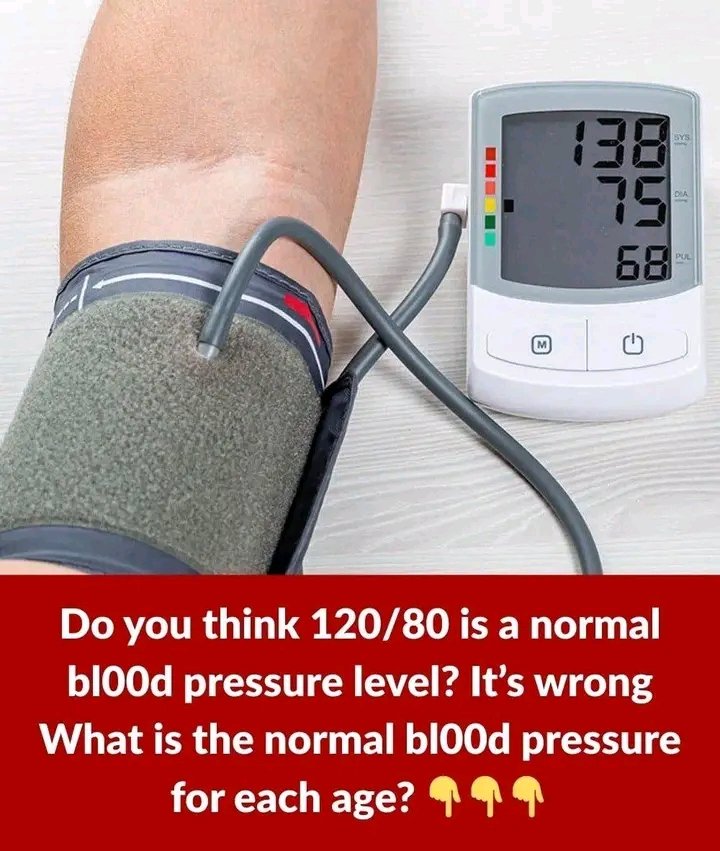
Understanding a Reading of 138/75 mmHg
Consider a blood pressure monitor displaying the following measurements:
- Systolic pressure: 138 mmHg
- Diastolic pressure: 75 mmHg
- Pulse: 68 beats per minute
For a typical adult, this reading falls into the stage 1 hypertension category under American Heart Association guidelines because the systolic number is between 130 and 139, even though the diastolic number is within the normal range.
This does not automatically mean that the person has hypertension. A diagnosis usually requires properly taken measurements on more than one occasion, interpreted by a healthcare professional.
A resting pulse of 68 beats per minute is within the usual resting range for most adults, which is generally 60–100 beats per minute. However, pulse rate and blood pressure measure different aspects of cardiovascular function and should not be confused.
If repeated readings remain around 138 systolic, arrange a routine medical consultation to discuss cardiovascular risk and appropriate next steps.
Why Does Blood Pressure Change With Age?
Several factors influence blood pressure as people grow older.
Arterial stiffness: Blood vessels may become less flexible over time, which can increase systolic pressure.
Lifestyle habits: A diet high in sodium, limited physical activity, smoking, and excessive alcohol consumption can contribute to elevated blood pressure.
Body weight: Excess body weight can increase the workload on the cardiovascular system.
Medical conditions: Kidney disease, diabetes, sleep apnea, and certain hormonal disorders may affect blood pressure.
Medications: Some prescription and over-the-counter medicines can raise or lower blood pressure.
Genetics: A family history of hypertension can increase a person’s risk.
Although age influences cardiovascular health, healthy habits and appropriate treatment can help manage blood pressure throughout life.
How to Measure Blood Pressure Correctly at Home
Accurate measurements are essential for understanding your blood pressure. Incorrect positioning, recent exercise, or stress can produce misleading results.
Follow these steps when using a home blood pressure monitor:
- Avoid smoking, caffeine, and exercise for at least 30 minutes before measuring your blood pressure.
- Empty your bladder before the measurement if needed.
- Sit quietly for five minutes, with your back supported and feet flat on the floor.
- Place the cuff on your bare upper arm, following the manufacturer’s instructions.
- Support your arm at heart level and avoid talking during the measurement.
- Take two readings about one minute apart and record both.
- Measure at consistent times and keep a log to share with your healthcare professional.
Use a properly validated upper-arm monitor with a cuff that fits correctly. Wrist monitors may be less reliable if they are not positioned accurately.
Natural Ways to Help Maintain Healthy Blood Pressure
Healthy lifestyle habits can make an important contribution to blood pressure management.
Follow a Balanced Diet
Choose vegetables, fruits, whole grains, beans, nuts, and other nutrient-rich foods. Limiting highly processed foods and excess sodium can help support healthy blood pressure.
The DASH dietary pattern is one established approach to improving cardiovascular health.
Exercise Regularly
Adults should generally aim for at least 150 minutes of moderate-intensity aerobic activity each week, or an equivalent amount of vigorous activity, as appropriate for their health and abilities.
Walking, cycling, swimming, and similar activities can support cardiovascular fitness.
Maintain a Healthy Weight
For people who are overweight, gradual weight reduction may help lower blood pressure. A healthcare professional can help establish realistic goals.
Manage Stress
Relaxation techniques, mindfulness, breathing exercises, and regular physical activity may help reduce stress. Persistent high blood pressure, however, should not be treated with stress management alone.
Get Enough Sleep
Consistent, adequate sleep supports overall cardiovascular health. People who snore heavily, experience interrupted breathing during sleep, or feel excessively sleepy during the day should discuss possible sleep apnea with a healthcare professional.
Avoid Tobacco and Limit Alcohol
Smoking damages blood vessels and increases cardiovascular risk. Avoiding tobacco is an important step toward protecting heart health. Limiting alcohol consumption can also help with blood pressure management.
Take Prescribed Medication as Directed
If you have been prescribed blood pressure medication, take it according to your healthcare professional’s instructions. Do not stop or change the dose simply because a reading appears normal.
When Should You Seek Medical Attention?
High blood pressure often produces no obvious symptoms, which is why regular measurement is important.
If your blood pressure is repeatedly elevated, arrange an appointment with a healthcare professional.
If a reading is higher than 180 systolic and/or 120 diastolic, wait at least one minute and measure again. If it remains that high, seek immediate medical guidance. If you also experience chest pain, shortness of breath, weakness, numbness, changes in vision, difficulty speaking, or other signs of a medical emergency, call your local emergency service immediately.
Do not wait for symptoms before taking persistently high blood pressure seriously.
Frequently Asked Questions
Is 120/80 mmHg the ideal blood pressure for everyone?
No. It is a useful reference point for adults, but appropriate targets can vary according to age, health conditions, pregnancy, medications, and individual circumstances.
Is blood pressure of 130/80 dangerous?
A reading of 130/80 falls into the stage 1 hypertension category under American Heart Association guidelines. One measurement alone does not establish a diagnosis, but repeated readings at this level deserve attention.
Is 138/75 mmHg normal?
For a typical adult, 138/75 is classified as stage 1 hypertension under American Heart Association guidelines because the systolic pressure is elevated. Repeat the measurement correctly and consult a healthcare professional if the pattern persists.
Is a pulse of 68 beats per minute normal?
A resting pulse of 68 beats per minute is within the usual range for most adults. Fitness, medications, illness, and other factors can influence an individual’s pulse.
Does everyone need a different blood pressure target based on age?
No. Adult blood pressure categories do not simply increase with every decade of life. Treatment targets are individualized, while children require age-appropriate assessment.
Can high blood pressure exist without symptoms?
Yes. Many people with hypertension feel completely well. Regular measurements are one of the most reliable ways to identify elevated blood pressure.
Conclusion
Blood pressure is an important indicator of cardiovascular health, but its meaning depends on more than age alone. A reading of 120/80 mmHg is a useful reference point, while measurements such as 138/75 mmHg warrant attention if they persist.
Rather than relying on a single reading or an age-based chart circulating online, measure your blood pressure correctly, keep a record of your results, adopt heart-healthy habits, and seek professional guidance when necessary.
Disclaimer: This article is intended for general educational purposes only and does not replace individualized medical advice, diagnosis, or treatment.