
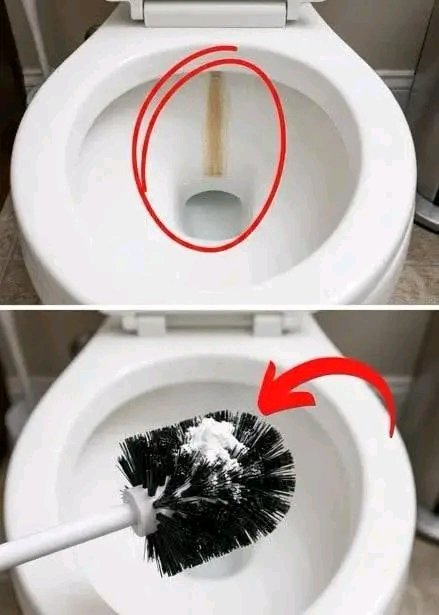
Grandma’s Ingenious Cleaning Trick: How to Use Shaving Foam to Clean Your Toilet and Bathroom
Looking for a simple way to freshen up your bathroom without spending money on expensive cleaning products? A popular household trick suggests using shaving foam to help clean certain bathroom surfaces and reduce unpleasant odors.
This old-fashioned cleaning idea is easy to try, but there are a few important things to know before using it. Shaving foam is not a disinfectant, and it cannot replace a proper toilet or bathroom cleaner when hygiene matters.
Here is how to use this trick safely and where it works best.
Why Do People Use Shaving Foam for Cleaning?
Shaving foam contains surfactants and other ingredients that can help loosen light dirt and oily residue. Its thick texture also makes it easy to spread over a surface.
Depending on the formula, it may help freshen up certain washable bathroom surfaces. However, results vary by product, and shaving foam is not specifically designed to remove limescale, kill germs, or eliminate mold.
What You Will Need
- A small amount of shaving foam
- A soft cleaning cloth or sponge
- A toilet brush
- Warm water
- A separate bathroom or toilet cleaner, if needed
Choose a basic shaving foam and test it on a small, inconspicuous area first.
Step-by-Step: Using Shaving Foam in the Bathroom
Step 1: Apply a Small Amount
Place a little shaving foam on a damp cloth or sponge. Avoid applying large quantities, as the foam can leave a slippery residue.
Step 2: Wipe Suitable Surfaces
Gently wipe washable surfaces such as certain ceramic tiles or the outside of the toilet. Check the surface manufacturer’s cleaning recommendations before use.
Avoid using shaving foam on delicate natural stone, untreated wood, or surfaces that may be damaged by its ingredients.
Step 3: Clean the Toilet Bowl Separately
For the inside of the toilet bowl, use a toilet brush and a product specifically intended for toilet cleaning. Shaving foam may create bubbles, but it is not a reliable way to disinfect the bowl or remove stubborn mineral deposits.
Follow the toilet cleaner’s label instructions carefully.
Step 4: Rinse Thoroughly
Wipe away any remaining foam with a clean, damp cloth. Rinse washable surfaces as appropriate and dry them to prevent slippery residue.
Step 5: Finish With the Right Cleaner
For limescale, soap scum, or visible grime, choose a cleaner suited to the surface. For disinfection, use a registered bathroom disinfectant according to its label.
Important: Never mix cleaning products. In particular, never combine bleach with acidic cleaners, vinegar, ammonia, or other incompatible products, because dangerous gases or reactions may result.
Where Can This Trick Be Useful?
Shaving foam may be worth testing for light cleaning on certain washable surfaces, but it is not a universal bathroom solution.
- Ceramic tiles: It may help loosen light surface residue, depending on the formula.
- The outside of the toilet: A damp cloth and an appropriate bathroom cleaner are usually more dependable.
- Bathroom mirrors: Use a glass cleaner for the clearest finish; shaving foam can leave streaks if not removed thoroughly.
- Limescale and hard-water stains: Use a suitable descaling product rather than relying on shaving foam.
- Mold and mildew: Use a product designed for the affected surface and address the moisture problem causing the growth.
Does Shaving Foam Really Disinfect the Toilet?
No. Ordinary shaving foam should not be assumed to kill bacteria, viruses, or other disease-causing microorganisms. A surface that looks clean is not necessarily disinfected.
For toilet bowls, handles, taps, and other high-touch areas, use an appropriate cleaning or disinfecting product and follow its instructions.
Final Thoughts
Grandma-inspired cleaning tricks can be fun to try, and shaving foam may help with light residue on some washable bathroom surfaces. However, it is not a miracle cleaner, a proven deodorizer, or a substitute for disinfectant.
For the best results, use the right product for each surface, rinse thoroughly, ventilate the bathroom, and never mix cleaning chemicals.
A clean bathroom does not need complicated tricks—just the right tools, safe habits, and a little regular maintenance.
Make the title more accurateAdd a concise safety checklist