
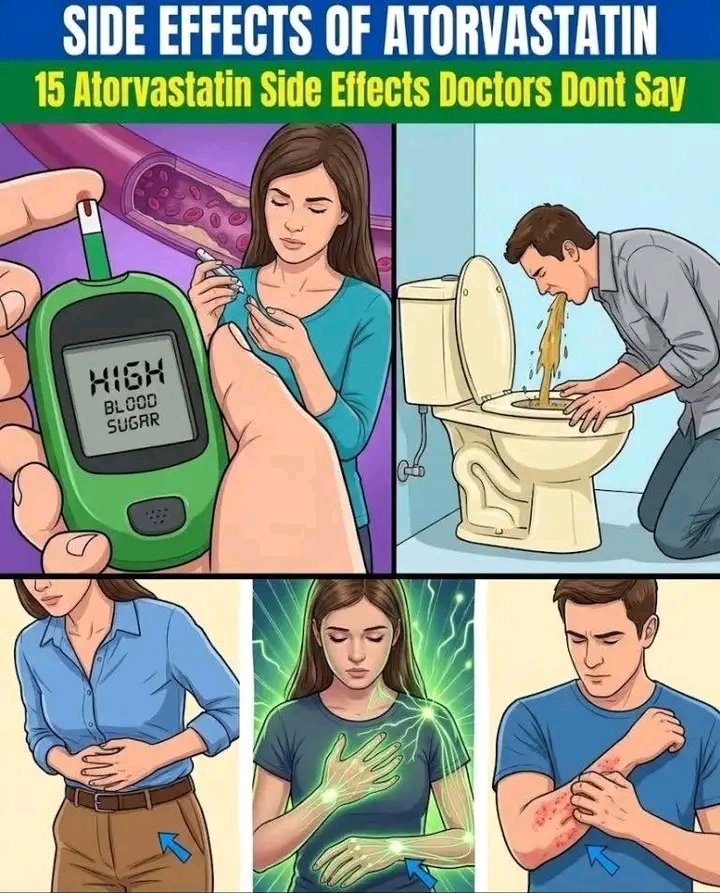
Atorvastatin is a widely prescribed statin used to lower LDL (“bad”) cholesterol and reduce the risk of heart attack and stroke. Like all medicines, it can cause side effects, but many people take it without serious problems.
The important thing to know is that most people should not stop atorvastatin because of a frightening headline or a suspected side effect without speaking to their healthcare professional. Stopping treatment can increase cardiovascular risk, particularly if you have already had a heart attack or stroke.
Here is a practical, evidence-based guide to side effects worth knowing before your next refill, including which symptoms need urgent attention.
15 Atorvastatin Side Effects You Should Know Before Your Next Refill
Atorvastatin, commonly sold under the brand name Lipitor, belongs to a group of medicines called statins. It lowers LDL cholesterol and helps reduce the risk of heart attacks and strokes in people who need treatment.
Most people tolerate atorvastatin well. Nevertheless, side effects can occur, and knowing what to watch for can help you recognize when to contact your doctor or pharmacist. The NHS and official prescribing information identify several common effects, rare serious complications, and important drug interactions. <a href=”https://www.nhs.uk/medicines/atorvastatin/“>Source: NHS atorvastatin guidance</a> and <a href=”https://www.accessdata.fda.gov/drugsatfda_docs/label/2024/020702s081lbl.pdf“>FDA prescribing information</a>.
1. Muscle Pain or Aching
Some people experience muscle aches, tenderness, cramps, or discomfort while taking atorvastatin. These symptoms can have other causes, including exercise or unrelated medical conditions, so they should not automatically be blamed on the medication.
Contact your healthcare professional if the pain is persistent, unexplained, or interfering with daily activities.
2. Unusual Muscle Weakness
Muscle weakness is different from ordinary soreness after physical activity. New or worsening weakness, particularly when accompanied by muscle pain, deserves prompt medical attention.
Rarely, statins can cause serious muscle injury. Severe muscle pain or weakness with dark, tea-colored urine, fever, or feeling very unwell requires urgent medical assessment.
3. Digestive Discomfort
Some people experience nausea, indigestion, gas, abdominal discomfort, constipation, or diarrhea.
If symptoms persist, discuss them with your pharmacist or doctor. They can help determine whether atorvastatin or another condition may be responsible.
4. Headaches
Headaches are reported by some people taking atorvastatin. They may also result from dehydration, stress, sleep problems, or other medicines.
A persistent or troublesome headache should be discussed with a healthcare professional. A sudden, extremely severe headache requires emergency assessment.
5. Dizziness
Some people report dizziness while taking atorvastatin. If you feel dizzy, sit down and avoid driving or operating machinery until you feel normal.
Repeated dizziness, fainting, or dizziness accompanied by chest pain or neurological symptoms needs medical evaluation.
6. Changes in Blood Sugar
Statins can cause a small increase in blood glucose and may slightly increase the likelihood of developing type 2 diabetes in susceptible individuals.
For most people who need statin therapy, the cardiovascular benefits outweigh this risk. If you have diabetes or prediabetes, your clinician may monitor your blood sugar as part of your usual care.
7. Changes in Liver Enzymes
Atorvastatin can raise liver enzymes in blood tests. This does not necessarily mean the liver is being damaged, and many changes are mild.
Your healthcare professional may order liver blood tests before treatment and when clinically indicated. Do not assume that fatigue or abdominal discomfort automatically means liver injury.
8. Rare Liver Injury
Serious liver problems are uncommon but possible. Warning signs may include yellowing of the skin or eyes, dark urine, pale stools, or unusual tiredness accompanied by other symptoms.
Seek prompt medical assessment if these symptoms occur. Severe or rapidly worsening symptoms require urgent care.
9. Sleep Disturbances
Some people report difficulty sleeping or other sleep-related symptoms while taking statins. Sleep problems can also be caused by stress, pain, caffeine, or other medicines.
If your sleep changes noticeably after starting atorvastatin, keep track of the symptoms and discuss them with your healthcare professional rather than changing the dose yourself.
10. Joint Pain
Joint pain has been reported by people taking atorvastatin, although it can also be associated with arthritis, injuries, and other common conditions.
If joint pain begins after a medication change or becomes persistent, your clinician can help assess whether the medicine may be contributing.
11. Allergic Skin Reactions
A rash or itching can sometimes occur with medication. More serious allergic reactions are rare.
Seek emergency help if you develop swelling of the lips, tongue, or throat, or have difficulty breathing or swallowing.
12. Severe Muscle Breakdown (Rhabdomyolysis)
This is a rare but potentially life-threatening complication in which muscle tissue breaks down and may damage the kidneys.
Warning signs include severe unexplained muscle pain, tenderness or weakness, dark urine, and feeling very unwell. The risk may be higher with certain interacting medicines, kidney problems, uncontrolled hypothyroidism, and higher atorvastatin doses.
If these symptoms occur, seek emergency medical assessment. Do not wait for your next refill appointment.
13. Pancreatitis
Inflammation of the pancreas has been reported rarely in people taking atorvastatin, although severe abdominal pain can have many other causes.
Seek urgent medical attention for severe, persistent abdominal pain, particularly if it spreads to your back or is accompanied by vomiting.
14. Memory or Cognitive Concerns
Some people have reported memory problems or confusion while taking statins. Such reports do not establish that atorvastatin causes persistent cognitive decline, and available evidence has not demonstrated a consistent increase in dementia risk from statin use.
If you notice a meaningful change in memory or concentration, discuss it with your clinician, who can assess other possible causes and review your medication.
15. Side Effects Caused by Drug Interactions
Sometimes the problem is not atorvastatin alone but a combination of medicines that increases the amount of the drug in your bloodstream or raises the risk of muscle injury.
Important medicines to review with your pharmacist include certain antibiotics, antifungal medicines, antiviral treatments, cyclosporine, some other cholesterol-lowering drugs, and particular heart medicines.
Grapefruit and grapefruit juice can also interact with atorvastatin. Ask your pharmacist whether you need to limit or avoid them based on your dose and circumstances.
Tell your healthcare professional about all prescription medicines, over-the-counter products, vitamins, and herbal supplements you use. Never assume a new medicine is safe to combine without checking.
Who May Have a Higher Risk of Serious Side Effects?
Extra care may be needed for people who:
- Are 65 or older.
- Have kidney problems or an underactive thyroid that is not adequately controlled.
- Take medicines that interact with atorvastatin.
- Take higher doses.
- Have a history of certain muscle disorders.
- Drink excessive amounts of alcohol or have significant liver disease.
These factors do not automatically mean atorvastatin is unsuitable. Your clinician can assess the risks and benefits in your particular situation. <a href=”https://www.accessdata.fda.gov/drugsatfda_docs/label/2024/020702s081lbl.pdf“>FDA prescribing information</a>.
What Should You Do if You Suspect a Side Effect?
Start by noting when the symptom began, how severe it is, and whether anything changed recently, such as your dose or another medication.
Contact your doctor or pharmacist if a symptom persists or affects your daily life. Depending on the situation, your clinician may check blood tests, review possible interactions, adjust the dose, or consider a different cholesterol-lowering treatment.
Do not stop atorvastatin or change the dose on your own. If you develop symptoms suggesting severe muscle injury, serious liver injury, or an allergic reaction, seek urgent medical advice and follow emergency instructions.
Can You Take Atorvastatin Safely for Years?
Many people take atorvastatin long term without serious problems. For people at elevated cardiovascular risk, the reduction in heart attacks and strokes can be substantial.
The goal is not to avoid every possible side effect at all costs. It is to balance the benefits of treatment against individual risks and address any problems early.
Keep your follow-up appointments, take the medicine as prescribed, and ask questions whenever a new symptom or medication concern arises.
Final Thoughts
Atorvastatin is an effective cholesterol-lowering medicine, but it is sensible to understand its potential side effects before your next refill.
Muscle symptoms, digestive problems, headaches, and changes in blood sugar or liver tests are among the issues worth discussing. Serious complications such as severe muscle breakdown, significant liver injury, and severe allergic reactions are rare but require prompt attention.
The most important rule is simple: never ignore serious new symptoms, but do not stop a prescribed statin out of fear alone. A conversation with your doctor or pharmacist can help you make an informed decision about your treatment.
Medical disclaimer: This article is for educational purposes only and is not a substitute for personalized medical advice, diagnosis, or treatment.
Reliable sources
- NHS — Atorvastatin: uses, side effects and precautions
- U.S. Food and Drug Administration — Official atorvastatin prescribing information