
What Happens If You Always Sleep on Your Right Side? What You Should Know
Have you ever wondered whether sleeping on your right side affects your health? Sleep position can influence comfort, breathing, digestion, and certain medical symptoms. While many social media posts suggest that sleeping on one particular side is dangerous, the truth is more nuanced.
For most healthy adults, sleeping on the right side is perfectly normal and safe. However, certain health conditions may make one sleeping position more comfortable or appropriate than another.
Here are seven important things to know about sleeping on your right side.
1. It May Affect Acid Reflux
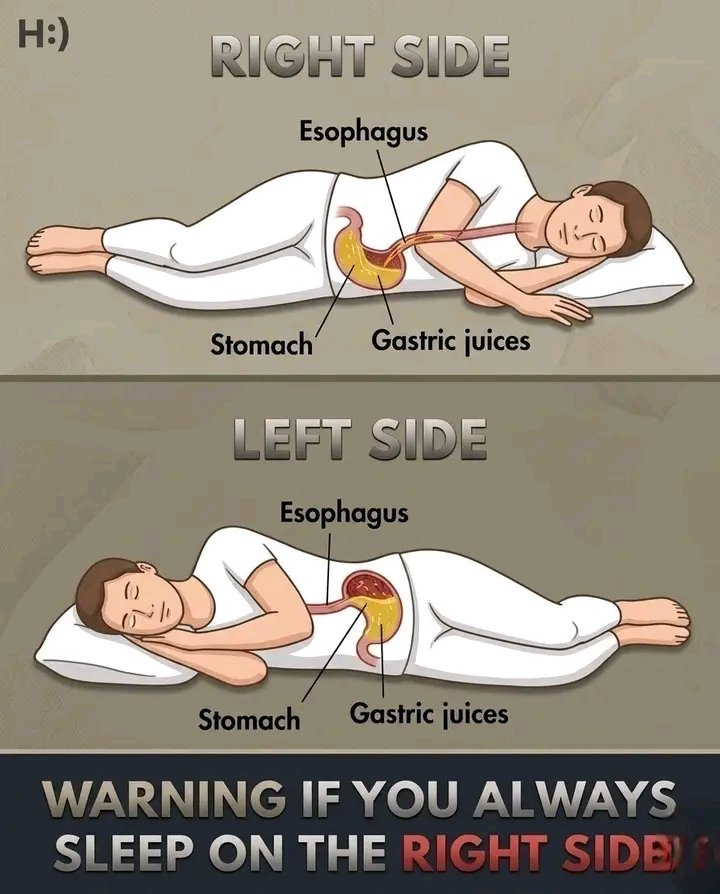
One of the best-known differences between right-side and left-side sleeping involves acid reflux.
For people who experience heartburn or gastroesophageal reflux disease (GERD), sleeping on the right side may worsen nighttime reflux. Research generally suggests that sleeping on the left side can reduce acid exposure in the esophagus compared with sleeping on the right.
Helpful tip: If you frequently experience heartburn at night, try sleeping on your left side and avoid eating for about three hours before bedtime. Raising the head of your bed may also help.
Persistent heartburn, difficulty swallowing, unexplained weight loss, or gastrointestinal bleeding requires medical evaluation.
2. It Can Be Comfortable for Your Heart
You may have heard that sleeping on the right side is harmful to the heart. There is no good evidence that this position damages the heart in otherwise healthy people.
Some people with certain heart conditions find one side more comfortable than the other. Others may notice palpitations or discomfort in particular positions. These experiences do not automatically mean that the sleeping position is causing heart damage.
If lying down causes chest pain, significant shortness of breath, or faintness, seek urgent medical attention rather than simply changing your sleeping position.
3. It May Influence Snoring and Breathing
Sleeping on your side can help reduce snoring for some people compared with sleeping on their back. However, the right side is not necessarily better than the left for everyone.
People with obstructive sleep apnea may benefit from positional changes, but side sleeping is not a substitute for prescribed treatment such as continuous positive airway pressure (CPAP).
If you regularly snore loudly, wake up gasping, or feel excessively sleepy during the day, speak with a healthcare professional about possible sleep apnea.
4. It May Affect Digestion
The position of your body can influence how stomach contents move and how easily acid reaches the esophagus. This is why left-side sleeping is often recommended for people with nighttime reflux.
However, there is limited evidence that sleeping on the right side causes general digestive damage in healthy people. If you do not experience heartburn or discomfort, there is usually no reason to change sides solely for digestive health.
5. It Can Cause Pressure on the Shoulder or Hip
Sleeping on the same side every night can put pressure on the shoulder, hip, and surrounding soft tissues. Some people wake up with stiffness, numbness, or discomfort.
To improve comfort:
- Choose a mattress and pillow that support your body.
- Keep your neck aligned with your spine.
- Place a pillow between your knees if it helps your hips feel more comfortable.
- Change positions if you wake up sore or uncomfortable.
Persistent pain or numbness should be evaluated, particularly if it continues during the day.
6. Pregnancy Can Change the Best Sleeping Position
During pregnancy, especially later in pregnancy, side sleeping is generally recommended. Guidance commonly advises going to sleep on either side rather than deliberately choosing the right side as unsafe.
Some pregnant people find the left side more comfortable, but the right side can also be acceptable. Follow your maternity care provider’s advice for your individual circumstances.
If you wake up on your back, do not panic; simply turn onto your side and return to sleep.
7. Your Overall Sleep Quality Matters Most
There is no universally perfect sleeping position. Your comfort, existing health conditions, breathing, and ability to sleep soundly all matter.
For most adults, getting sufficient, consistent sleep is more important than forcing yourself to remain on one particular side all night.
Try to maintain a regular sleep schedule, keep your bedroom comfortable, reduce caffeine late in the day, and establish a relaxing bedtime routine.
Should You Stop Sleeping on Your Right Side?
Not necessarily. If you sleep comfortably on your right side and have no symptoms, there is generally no reason to stop.
Consider trying your left side if you experience nighttime acid reflux. If you have a heart or lung condition, significant breathing problems, or pregnancy-related concerns, ask your healthcare professional which position is most appropriate for you.
Final Thoughts
Sleeping on your right side is not inherently dangerous, and it does not automatically harm your heart, stomach, or other organs. The main concern for some people is that right-side sleeping can worsen acid reflux.
Listen to your body, prioritize comfortable and restorative sleep, and seek medical advice when symptoms persist.
Medical disclaimer: This article is for educational purposes only and should not replace individualized medical advice, diagnosis, or treatment.
Add a reader-friendly quick summaryReplace the heart section heading