
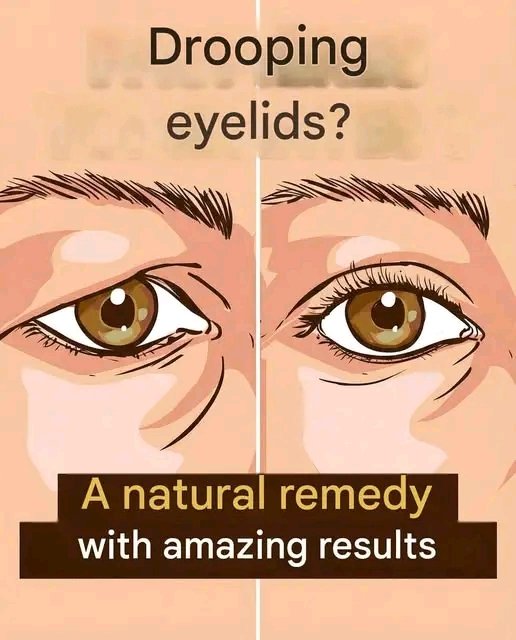
Here is a professional, WordPress-ready article in English about droopy eyelids, with practical skincare tips, natural approaches, and guidance on when to seek medical advice.
Droopy Eyelids: Natural Ways to Improve Their Appearance and When to See a Doctor
Droopy eyelids are a common concern that can affect people as they age. They may make the eyes appear tired, reduce the visible upper eyelid area, or sometimes interfere with vision. Although certain natural skincare habits can help improve the appearance of the skin around the eyes, they cannot correct every cause of drooping eyelids.
Understanding why your eyelids are drooping is the first step toward choosing the safest and most effective approach.
What Causes Droopy Eyelids?
Droopy eyelids can develop for several reasons, including:
- Natural aging: The skin gradually loses collagen and elasticity, which can contribute to sagging.
- Muscle weakness: The muscle responsible for lifting the upper eyelid may weaken or become stretched.
- Genetics: Some people naturally have heavier or more hooded eyelids.
- Swelling and fluid retention: Allergies, lack of sleep, and irritation may temporarily make the eyelids look heavier.
- Medical conditions: Certain nerve, muscle, or other health conditions can cause eyelid drooping.
It is important to distinguish excess skin on the upper eyelid from true eyelid drooping, known medically as ptosis. These conditions can have different causes and treatments.
Natural Ways to Improve the Appearance of Droopy Eyelids
While natural remedies cannot reliably lift a genuinely drooping eyelid, a few gentle habits may help the surrounding skin look fresher and less puffy.
1. Apply a Cool Compress
A clean, cool compress may temporarily reduce puffiness around the eyes, especially in the morning.
How to use it:
- Wet a clean, soft washcloth with cool water.
- Gently place it over your closed eyes for five to ten minutes.
- Avoid pressing on the eyeballs or using ice directly on the skin.
This method may help with temporary swelling, but it will not tighten loose skin or strengthen a weakened eyelid muscle.
2. Get Enough Sleep
Poor sleep can contribute to puffiness, dark circles, and a tired appearance.
Try to maintain a consistent sleep schedule and aim for approximately seven to nine hours of sleep each night if you are an adult. Keeping your head slightly elevated while sleeping may also help some people reduce morning puffiness.
3. Keep the Skin Around Your Eyes Moisturized
Dry skin can make fine lines and skin texture more noticeable. A gentle, fragrance-free moisturizer formulated for the eye area can help maintain skin hydration.
Apply it carefully without pulling or rubbing the delicate skin. Avoid getting skincare products into your eyes.
4. Protect Your Skin From Sun Damage
Repeated sun exposure contributes to premature skin aging and loss of skin elasticity.
For better long-term skin health:
- Wear sunglasses that provide UVA and UVB protection.
- Use broad-spectrum sunscreen with SPF 30 or higher on exposed skin.
- Wear a hat when spending extended periods outdoors.
- Avoid applying sunscreen too close to the eyes if it causes irritation.
Sun protection will not reverse established eyelid drooping, but it can help protect the surrounding skin from further damage.
5. Reduce Eye Irritation and Rubbing
Frequent rubbing can irritate the skin around the eyes and may contribute to inflammation. If allergies cause itching or swelling, seek appropriate advice from a healthcare professional or pharmacist.
Avoid pulling the eyelids upward repeatedly or performing aggressive facial exercises. There is insufficient evidence that these methods can correct true eyelid ptosis.
Can Natural Oils or Home Remedies Lift Droopy Eyelids?
Olive oil, coconut oil, aloe vera, and other popular home remedies are sometimes promoted as natural eyelid-lifting treatments. However, there is no strong scientific evidence that these products can lift a drooping eyelid or repair a weakened eyelid muscle.
Some products may also irritate the eyes or cause allergic reactions. Avoid putting essential oils, lemon juice, homemade mixtures, or untested products near the eyes.
The safest approach is to use gentle skincare products specifically designed for the delicate eye area.
When Should You See a Doctor?
Not every droopy eyelid is simply a sign of aging. A medical assessment is important if the drooping is new, worsening, affects one eye more than the other, or interferes with your vision.
Seek emergency medical care immediately if an eyelid suddenly droops, particularly when accompanied by double vision, unequal pupils, severe headache, eye pain, facial weakness, difficulty speaking, or weakness in an arm or leg. These symptoms can indicate a serious neurological emergency.
Arrange a medical appointment if you notice:
- Gradually worsening eyelid drooping.
- Difficulty keeping an eye open.
- Trouble seeing because the upper eyelid blocks your vision.
- Persistent or unexplained eyelid swelling.
- Changes in eyelid position that fluctuate throughout the day.
- Drooping accompanied by eye discomfort or other new symptoms.
An eye specialist can determine whether the problem is excess skin, muscle weakness, swelling, or another condition.
Medical Treatments for Droopy Eyelids
Treatment depends on the underlying cause and severity.
Possible options include:
- Prescription eye drops: Certain medications can temporarily elevate the upper eyelid in some adults with acquired ptosis. They are not appropriate for everyone.
- Eyelid surgery: Procedures such as ptosis repair or blepharoplasty may be considered when medically appropriate. These procedures address different problems and are not interchangeable.
- Treatment of an underlying condition: If a medical problem is responsible, treating it may be necessary.
A qualified ophthalmologist can explain the potential benefits, limitations, and risks of each option.
Frequently Asked Questions
Can exercises naturally lift droopy eyelids?
There is insufficient scientific evidence that eyelid exercises can reliably correct true ptosis or significantly lift excess upper-eyelid skin.
Does a cold compress help droopy eyelids?
A cool compress may temporarily reduce swelling and puffiness. It does not correct a weakened eyelid muscle or permanently tighten loose skin.
Can droopy eyelids be prevented?
Age-related changes cannot be completely prevented. However, sun protection, gentle skincare, adequate sleep, and avoiding eye irritation can help maintain the health and appearance of the surrounding skin.
Are droopy eyelids always caused by aging?
No. Although aging is a common cause, droopy eyelids may also result from congenital differences, muscle or nerve conditions, injury, or other medical problems.
Final Thoughts
Droopy eyelids can be a normal part of aging, but they should not automatically be dismissed as a cosmetic concern. Gentle skincare, adequate sleep, cool compresses, and sun protection may improve the appearance of puffiness and the surrounding skin.
However, no natural remedy has been proven to reliably lift a genuinely drooping eyelid. If the change is sudden, affects your vision, or comes with other concerning symptoms, seek medical care promptly.
Your eye health matters as much as your appearance. Choosing the right approach starts with understanding the cause of the drooping.
Suggested SEO details for WordPress
- SEO title: Droopy Eyelids: Natural Remedies, Causes, and Treatments
- Meta description: Discover what causes droopy eyelids, natural ways to reduce puffiness, skincare tips, and warning signs that require medical attention.
- Focus keyphrase: Natural ways to improve droopy eyelids
- Suggested URL slug:
droopy-eyelids-natural-remedies - Category: Health & Wellness
- Tags: Droopy Eyelids, Eye Health, Skincare, Aging Skin, Ptosis
Medical references: MedlinePlus — Eyelid Drooping; American Academy of Ophthalmology — What Is Ptosis?. These sources explain the causes, treatments, and warning signs associated with drooping eyelids.