
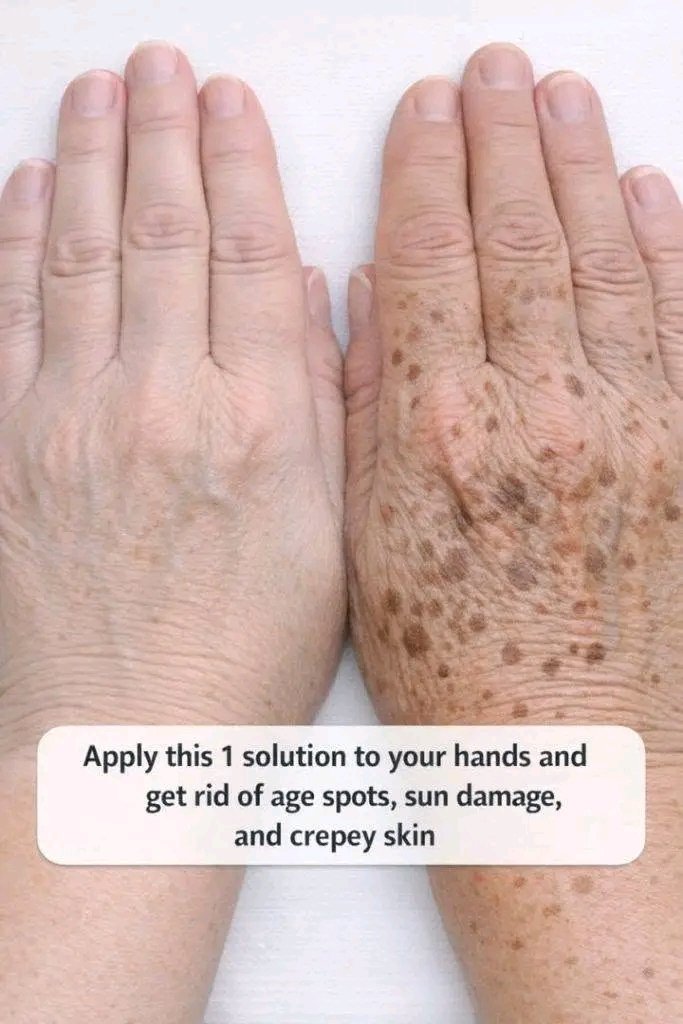
How to Reduce the Appearance of Dark Age Spots on Your Hands: Simple Tips That May Help
Dark spots on the hands are a common skin concern, especially as we get older. Often called age spots or sunspots, these flat brown, gray, or dark patches can develop over time due to repeated exposure to ultraviolet (UV) rays from the sun.
Although these spots are usually harmless, many people look for simple ways to improve their skin’s appearance and maintain a more even skin tone. The good news is that a consistent skincare routine can help make a difference.
What Causes Dark Spots on the Hands?
Several factors can contribute to the development of dark spots, including:
- Sun exposure: UV radiation stimulates melanin production, which can lead to uneven pigmentation.
- Natural aging: Skin changes over time, and pigmentation irregularities may become more noticeable.
- Hormonal changes: Hormones can influence pigmentation in some people.
- Skin inflammation: Certain skin injuries or irritation can leave darker marks behind.
Understanding the cause of your dark spots is an important first step toward choosing an appropriate treatment.
Can a Simple Home Remedy Help?
Gentle skincare practices may improve the overall appearance of your hands, but claims that a household ingredient can remove age spots in just three minutes are not supported by strong scientific evidence.
If you want to try a simple approach, start by washing your hands with a mild cleanser and applying a fragrance-free moisturizer. This can help soften dry skin and make your hands look smoother, although it will not erase established pigmentation.
Avoid applying lemon juice, baking soda, or other irritating household ingredients to dark spots. These substances may irritate the skin and potentially make pigmentation worse.
Ingredients That May Help Improve Uneven Skin Tone
Some skincare ingredients have evidence supporting their use for uneven pigmentation:
1. Vitamin C
Vitamin C is an antioxidant that may help brighten the appearance of skin and reduce the effects of environmental damage when used in a suitable skincare formulation.
2. Niacinamide
Niacinamide may help improve uneven skin tone and support the skin’s protective barrier. It is often well tolerated when introduced gradually.
3. Retinoids
Topical retinoids can help improve skin texture and some forms of pigmentation over time. They may cause dryness or irritation, so introduce them carefully and seek professional advice if needed.
The Most Important Step: Protect Your Hands From the Sun
Sun protection is essential when trying to prevent age spots from becoming darker or new spots from appearing.
- Apply broad-spectrum sunscreen with SPF 30 or higher to the backs of your hands.
- Reapply sunscreen about every two hours when outdoors, and after washing your hands or sweating.
- Wear protective gloves when driving for extended periods or spending time in strong sunlight.
- Moisturize regularly to keep your skin comfortable and hydrated.
Consistency matters more than expecting an overnight transformation.
When Should You See a Dermatologist?
Most age spots are harmless, but not every dark spot is an age spot. Have a dermatologist examine a spot that is new, changing, irregular in shape, unusually dark, bleeding, itching, or growing.
A dermatologist can confirm the diagnosis and discuss treatments such as prescription creams, chemical peels, or laser procedures when appropriate.
Final Thoughts
Dark spots on the hands are a normal concern for many adults, and there are practical ways to improve the appearance of uneven skin tone. Gentle skincare, evidence-based brightening ingredients, and daily sun protection are more reliable approaches than unproven three-minute remedies.
Remember that visible improvements usually take several weeks or months, depending on the treatment and the cause of the pigmentation. Protecting your skin consistently is one of the best ways to maintain healthier-looking hands over time.
Disclaimer: This article is for general informational purposes only and does not replace professional medical advice. Consult a qualified healthcare professional if you are concerned about a skin spot or are unsure which treatment is suitable for you.