
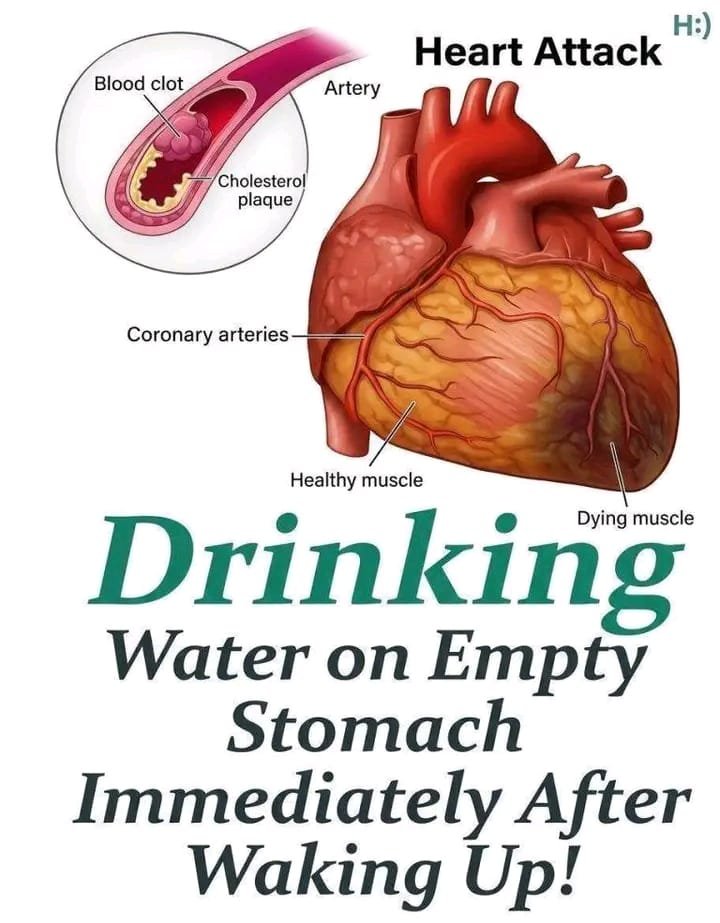
Did You Know That Drinking Water on an Empty Stomach Could Be Good for You?
A simple glass of water in the morning can help you start your day hydrated—but are the health benefits as extraordinary as some online claims suggest? Let’s explore what drinking water on an empty stomach can really do for your body.
1. It Helps Rehydrate Your Body After Sleep
Your body continues to lose water while you sleep through breathing and perspiration. Drinking a glass of water after waking up is an easy way to replace some of that fluid and begin the day hydrated.
You don’t have to drink it immediately after opening your eyes. The most important thing is getting enough fluids throughout the day.
2. It Supports Healthy Digestion
Water plays an important role in digestion. It helps your body break down food and can soften stools, helping prevent constipation when you drink enough fluids.
If you experience occasional constipation, maintaining good hydration alongside eating fiber-rich foods and staying physically active may help. However, drinking water in the morning alone is not a guaranteed solution for persistent digestive problems.
3. It May Help With Weight Management
Water contains no calories, making it a useful alternative to sugary drinks. Drinking water before a meal may also help some people feel fuller.
However, drinking water on an empty stomach does not melt belly fat or cause rapid weight loss. Long-term weight management depends on your overall eating habits, physical activity, sleep and other individual factors.
4. It Supports Your Brain and Everyday Energy
Not drinking enough water can contribute to fatigue, headaches, difficulty concentrating and changes in mood, particularly when dehydration becomes significant.
Starting the morning with water may help if you wake up thirsty or mildly dehydrated. Nevertheless, there is no strong evidence that drinking water specifically on an empty stomach provides a unique brain-boosting effect.
5. It Helps Your Body Perform Essential Functions
Water is necessary for regulating body temperature, cushioning joints, transporting nutrients and removing waste through urine and bowel movements.
These benefits come from maintaining adequate hydration throughout the day—not from a special morning detox. Your kidneys and liver already perform the body’s natural waste-processing functions.
Does Water Have to Be Warm?
No. Cold, room-temperature and comfortably warm water can all help hydrate you. There is limited evidence that one temperature offers special health benefits when consumed on an empty stomach.
Choose whichever temperature you enjoy and can drink comfortably. Avoid water hot enough to burn your mouth or throat.
How Much Water Should You Drink in the Morning?
For many healthy adults, starting with one ordinary glass of water—approximately 250 mL (8 ounces)—is a reasonable habit. You can drink more if you are thirsty, but there is no need to force yourself to consume several large glasses at once.
Your daily fluid needs depend on your activity level, climate, diet and health. People with certain heart, kidney or liver conditions may need to follow specific fluid limits from their healthcare professional.
Common Myths About Drinking Water on an Empty Stomach
Let’s separate popular claims from what science supports:
- “It detoxifies the body.” There is no good evidence that morning water performs a special detox.
- “It prevents heart attacks and strokes.” Drinking water at a particular time has not been proven to prevent these emergencies.
- “It boosts metabolism dramatically.” Water may have small, temporary effects on energy expenditure, but it is not a weight-loss shortcut.
- “You must drink warm water.” Water temperature is mainly a matter of personal preference.
Simple Tips for Staying Hydrated
- Keep a reusable water bottle nearby.
- Drink when you feel thirsty and include fluids with meals.
- Choose water instead of sugary drinks more often.
- Eat water-rich foods such as cucumbers, oranges, melons and soups.
- Increase fluid intake when appropriate during hot weather or physical activity.
The goal is consistent hydration—not following a strict schedule or drinking excessive amounts of water.
Final Thoughts
Drinking water on an empty stomach is a simple, healthy habit that can help you rehydrate after sleep and support normal bodily functions. But its benefits are not magical, and it does not replace a balanced diet, regular exercise or medical care.
The best takeaway? Drink enough water throughout the day, choose a routine that works for you, and be cautious of claims promising dramatic health changes from a single glass.
Health disclaimer: This article is for general educational purposes and is not a substitute for professional medical advice.
Sources
- Centers for Disease Control and Prevention: About Water and Healthier Drinks
- Mayo Clinic: Water After Meals—Does It Disturb Digestion?
- Healthline: Is Drinking Water First Thing in the Morning Best for Health Benefits?
Make the headline more specificAdd a concise key-takeaways box