
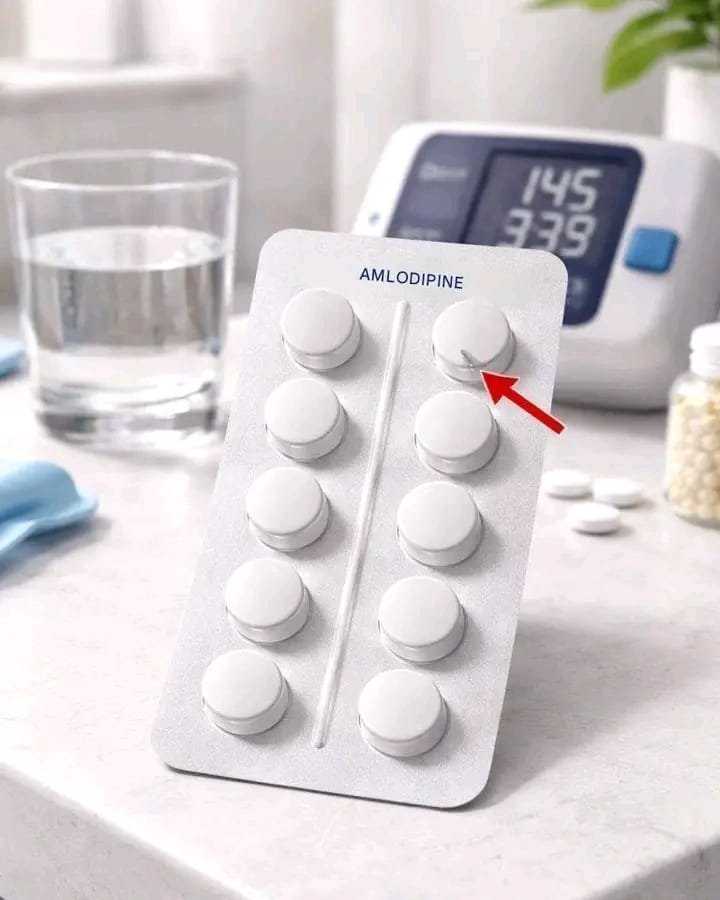
8 Habits to Break This Year If You’re Taking Amlodipine — and Why
Taking amlodipine for high blood pressure or angina? This medication helps relax blood vessels, making it easier for blood to flow and helping lower blood pressure. But your daily habits can influence how well you manage your condition and how safely you take your medicine.
Amlodipine is generally well tolerated, but it can cause side effects such as ankle swelling, dizziness, headaches, and flushing. The good news is that a few practical changes can help you manage your blood pressure and avoid common medication mistakes.
Here are eight habits worth reviewing with your healthcare professional this year.
1. Skipping Doses or Taking Your Medicine at Random Times
One of the most important habits to break is taking amlodipine inconsistently.
Amlodipine is usually taken once daily. Taking it around the same time each day helps you maintain a consistent routine and reduces the chance of forgetting a dose.
What to do instead:
- Set a daily phone reminder.
- Keep your medication in a safe, consistent place.
- Refill your prescription before you run out.
- Follow the instructions on your prescription label.
If you miss a dose, follow the instructions in your medicine leaflet or ask your pharmacist what to do. Do not double your next dose to make up for a missed one.
2. Stopping the Medication Because You Feel Fine
High blood pressure often causes no noticeable symptoms. Feeling healthy does not necessarily mean your blood pressure is under control without medication.
Stopping amlodipine without medical guidance can allow your blood pressure or chest pain to become uncontrolled again.
What to do instead:
Continue taking your medicine as prescribed, even when you feel well. If your blood pressure readings improve or you experience side effects, discuss them with your doctor before making any changes.
Never reduce the dose or stop treatment on your own.
3. Eating Too Much Salt
A high-sodium diet can make blood pressure harder to control, even when you take medication.
Common sources of excess sodium include processed meats, packaged snacks, instant soups, salty sauces, canned foods, and frequent restaurant meals.
What to do instead:
- Choose fresh foods more often.
- Compare nutrition labels for sodium content.
- Use herbs, garlic, lemon, and spices to add flavor.
- Limit highly salted and heavily processed foods.
You do not need to eliminate every food you enjoy. Focus on reducing excess sodium and following any dietary advice your healthcare professional has given you.
4. Ignoring Grapefruit and Medication Interactions
Grapefruit and grapefruit juice can interact with amlodipine, potentially affecting the medicine’s action and increasing the chance of side effects. The NHS advises avoiding them while taking amlodipine.
Other medicines and supplements may also interact with your treatment. These can include certain antibiotics, antifungal medicines, other blood pressure drugs, and herbal products.
What to do instead:
Ask your pharmacist before adding a new prescription medicine, over-the-counter product, vitamin, or herbal supplement. Tell them everything you take, including products you use only occasionally.
If you regularly consume grapefruit, ask your pharmacist for advice about suitable alternatives.
5. Drinking Alcohol Without Considering Its Effects
Alcohol may lower blood pressure further when combined with amlodipine. For some people, this can increase dizziness or lightheadedness, particularly when standing up.
The effects vary depending on the amount consumed, your health, and any other medicines you take.
What to do instead:
Consider limiting or avoiding alcohol, especially if you experience dizziness or low blood pressure. Ask your healthcare professional what is appropriate for you.
If you feel dizzy after taking your medicine, avoid driving or operating machinery until you feel well again.
6. Sitting Too Much and Skipping Physical Activity
Amlodipine helps lower blood pressure, but it works best as part of an overall approach to cardiovascular health.
Regular physical activity can help control blood pressure, improve fitness, and support a healthy weight.
What to do instead:
- Start with a comfortable daily walk.
- Break up long periods of sitting.
- Gradually build toward around 150 minutes of moderate-intensity activity per week, if appropriate for your health.
- Ask your doctor before starting strenuous exercise if you have heart disease, chest pain, or significant mobility limitations.
Consistency matters more than pushing yourself too hard. Choose an activity you can realistically maintain.
7. Ignoring Swollen Ankles, Dizziness, or Other Side Effects
Amlodipine can cause swelling in the ankles, feet, or lower legs. Headaches, flushing, tiredness, and dizziness can also occur.
These symptoms do not automatically mean the medication is dangerous or that you should stop taking it. However, persistent or troublesome side effects deserve attention.
What to do instead:
Contact your doctor if swelling, dizziness, or another side effect persists or interferes with daily life. Your clinician can assess the cause and decide whether your treatment needs adjusting.
Seek urgent medical care for fainting, severe or worsening chest pain, difficulty breathing, or swelling of the face, lips, tongue, or throat. Do not assume these symptoms are simply routine side effects.
8. Neglecting Blood Pressure Checks and Follow-Up Appointments
Taking medication without monitoring your blood pressure can make it difficult to know whether your treatment plan is working as intended.
Regular measurements can help you and your clinician identify patterns and make informed decisions.
What to do instead:
- Use a validated home blood pressure monitor if available.
- Measure your blood pressure according to your clinician’s instructions.
- Record your readings, including the date and time.
- Bring your readings and medication list to appointments.
- Attend recommended follow-up visits.
Do not change your dose based on a single reading unless your healthcare professional has specifically instructed you how to respond to certain results.
Bonus: Build a Heart-Healthy Daily Routine
Alongside taking amlodipine as prescribed, several habits can support better blood pressure control:
- Eat a balanced diet rich in vegetables, fruit, whole grains, and other minimally processed foods.
- Maintain a weight that is healthy for you.
- Avoid smoking and seek support if you want to quit.
- Prioritize regular sleep and stress management.
- Take medicines consistently and discuss side effects early.
These steps complement medication; they do not replace it when treatment is needed.
Final Thoughts
Amlodipine can be an important part of managing high blood pressure and angina. This year, focus on taking it consistently, avoiding potential interactions, reducing excess salt, staying active, monitoring your blood pressure, and reporting side effects.
The most important rule: never stop or change your amlodipine dose without speaking to your healthcare professional. Small, sustainable changes can help you manage your health more confidently and safely.
Medical Disclaimer
This article is for educational purposes only and is not a substitute for professional medical advice, diagnosis, or treatment. Medication instructions and dietary recommendations can vary by person and country. Consult your doctor or pharmacist about your individual treatment plan.
Sources and Further Reading
- NHS — Amlodipine: How to take it, side effects, and interactions
- MedlinePlus — Amlodipine Drug Information
- MedlinePlus — Blood Pressure Medicines and lifestyle changes
Make the headline more specificAdd a concise safety warning