
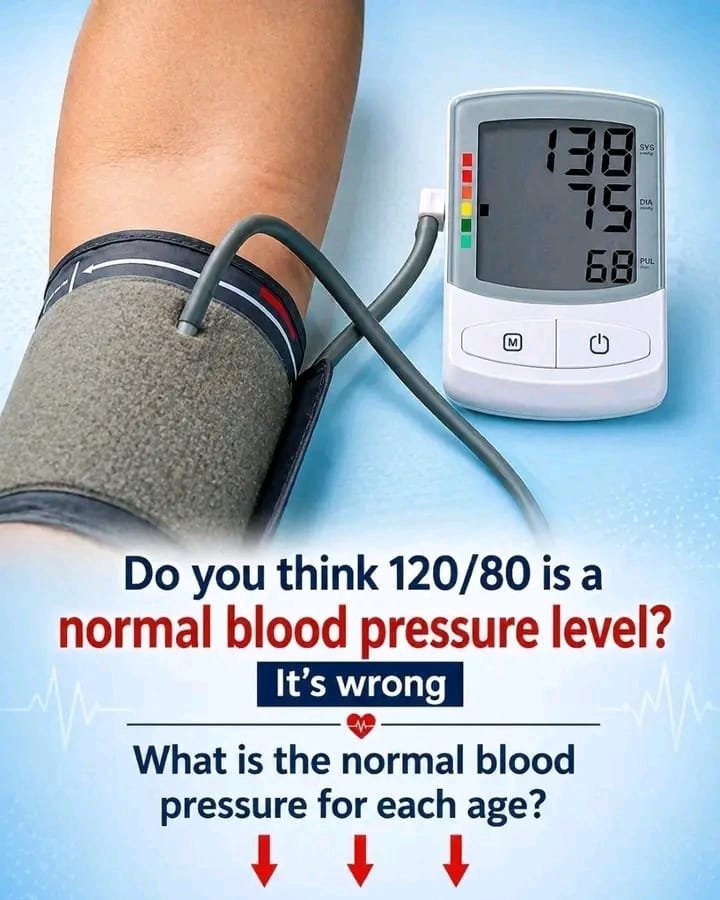
Blood pressure is an important indicator of cardiovascular health, and knowing what your numbers mean can help you recognize when you may need medical advice.
One important thing to understand: normal blood pressure does not increase automatically with age. Although blood pressure often rises as people get older, healthy targets for most adults remain similar. Children and teenagers are assessed differently, and individual targets may vary depending on medical conditions and treatment.
Blood pressure ranges by age
These are general reference points, not separate age-based targets. Adult categories below follow the American Heart Association’s classification.
JACC
+1
| Age group | General guidance |
|---|---|
| Children under 13 | Depends on age, sex, and height |
| Teenagers, 13–17 | Generally aim for below 120/80 mmHg |
| Adults, 18–39 | Below 120/80 mmHg is normal |
| Adults, 40–59 | Below 120/80 mmHg is normal |
| Adults, 60–79 | Below 120/80 mmHg is normal, if tolerated |
| Adults, 80+ | Individual treatment targets may vary with frailty and other conditions |
What do the numbers mean?
Below 120/80
Normal
Healthy adult range
120–129
Below 80
Elevated
Lifestyle changes can help
130–139
or 80–89
High blood pressure — Stage 1
Discuss repeated readings with a healthcare professional
140/90+
High blood pressure — Stage 2
Arrange medical assessment
These categories apply to adults. Either the upper or lower number can place a reading in a higher category.
JACC
+1
When is blood pressure an emergency?
If your reading is above 180 systolic and/or 120 diastolic, wait at least one minute and measure again. If it remains that high, seek urgent medical advice. If you also have chest pain, difficulty breathing, weakness, vision changes, or difficulty speaking, call your local emergency service immediately.
American Heart Association
+1
How to measure your blood pressure correctly
- Sit quietly for five minutes before measuring.
- Keep your back supported and feet flat on the floor.
- Rest your arm at heart level.
- Avoid caffeine, smoking, and exercise for 30 minutes beforehand.
- Take two readings one minute apart and record both.
Would you like to check a specific reading? Tell me your age and your blood pressure numbers, for example, 65 years old — 145/85, and I can explain what they generally mean.