
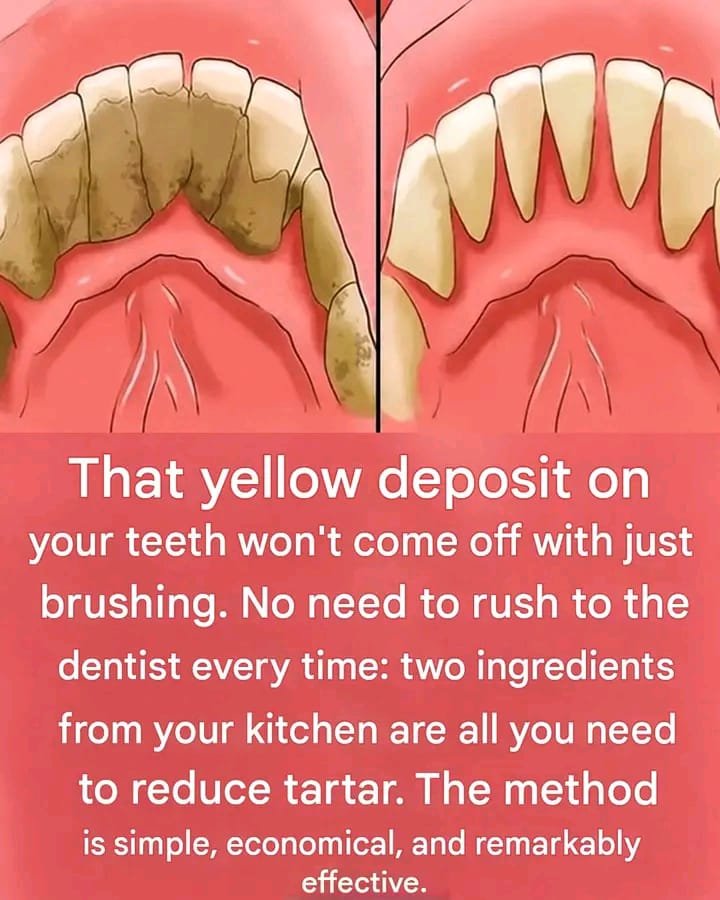
Be Your Own Dentist? Safe Ways to Manage Tartar Buildup at Home
Dental tartar can make your teeth look yellow, contribute to bad breath, and increase the risk of gum problems. Although regular brushing and flossing can help prevent tartar from forming, hardened tartar cannot be safely removed at home with ordinary toothbrushes or household remedies. Professional dental cleaning is the most reliable way to remove it.
The good news is that a few simple daily habits can help keep your teeth cleaner and reduce future buildup.
What Is Dental Tartar?
Tartar, also known as dental calculus, forms when plaque—a sticky film of bacteria—hardens on the teeth. It commonly develops along the gumline and behind the lower front teeth.
Once plaque hardens into tartar, brushing alone cannot remove it. If left untreated, tartar can contribute to gum inflammation, bleeding gums, persistent bad breath, and periodontal disease.
5 Safe Ways to Help Prevent Tartar at Home
1. Brush Your Teeth Twice a Day
Brush for two minutes, morning and evening, using a soft-bristled toothbrush and fluoride toothpaste. Pay particular attention to the gumline and the backs of your teeth.
An electric toothbrush can also help remove plaque effectively when used correctly.
2. Floss Every Day
A toothbrush cannot adequately clean every space between your teeth. Daily flossing or using appropriately sized interdental brushes helps remove plaque from these areas before it hardens into tartar.
Be gentle to avoid irritating your gums.
3. Consider an Antiseptic Mouthwash
An appropriate mouthwash can help reduce oral bacteria and support your daily hygiene routine. Fluoride mouthwash may also help protect against tooth decay.
Choose a product suited to your needs, and remember that mouthwash cannot dissolve existing hardened tartar.
4. Reduce Frequent Sugary Snacks
Bacteria in dental plaque use sugars to produce acids that damage tooth enamel. Limiting sugary drinks, sweets, and frequent snacking can help protect your teeth.
Drink water regularly, especially after meals, and choose a balanced diet.
5. Keep Up With Professional Dental Cleanings
Even with excellent oral hygiene, tartar may develop in areas that are difficult to clean. A dentist or dental hygienist can remove hardened deposits using professional instruments.
How often you need a cleaning depends on your oral health, gum condition, and individual risk factors.
What You Should Never Do
Avoid trying to scrape tartar off your teeth with needles, metal tools, or sharp household objects. These can damage enamel, injure your gums, and introduce infection.
Also avoid using lemon juice, vinegar, or abrasive baking soda mixtures as tartar-removal treatments. Acidic substances can erode enamel, while abrasive mixtures may damage teeth if used improperly.
When Should You See a Dentist?
Arrange a dental appointment if you notice persistent tartar buildup, bleeding gums, swollen gums, ongoing bad breath, or gum recession. Seek prompt dental care if you develop significant pain or swelling.
Final Thoughts
The best way to manage tartar is to prevent plaque from hardening in the first place. Brushing twice daily, cleaning between your teeth, limiting sugary snacks, and attending regular dental cleanings can make a meaningful difference.
Remember: Home care can help prevent new tartar, but hardened deposits need professional removal. Protecting your teeth and gums is safer and more effective than attempting to act as your own dentist.
Add a Clear Medical DisclaimerInclude a Quick Action Checklist