
Chia seeds are often promoted as a superfood, but what actually happens when you eat them every day? The evidence is more useful—and less dramatic—than viral headlines suggest.
They provide fiber, plant-based omega-3 fats, protein, and minerals. They may support digestion and help you feel fuller, but portion size and preparation matter, especially if you are not used to eating high-fiber foods.
Doctors Reveal What Happens When You Eat Chia Seeds: 7 Benefits and Important Precautions
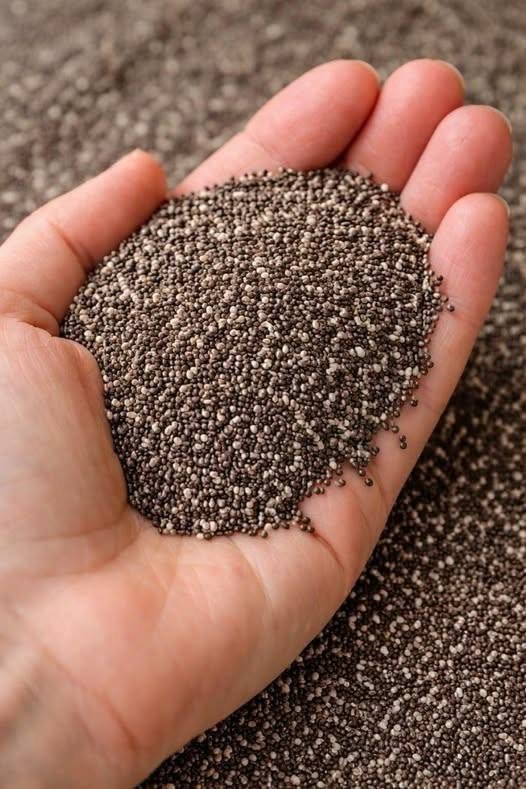
Chia seeds may be tiny, but they contain an impressive combination of nutrients. These small black and white seeds have become popular additions to smoothies, oatmeal, yogurt, and healthy breakfast recipes.
But what really happens when you eat chia seeds regularly? Can they improve digestion, support heart health, or help with weight management?
Here is what nutrition research actually tells us.
1. They Can Support Healthy Digestion
Chia seeds are rich in dietary fiber. When mixed with liquid, they form a gel-like coating that helps add bulk to stool and may support regular bowel movements.
Getting enough fiber is important for digestive health, although increasing fiber intake too quickly can cause gas, bloating, or abdominal discomfort.
Tip: Start with a small serving and increase it gradually as your body adjusts.
2. They May Help You Feel Fuller for Longer
The combination of fiber, protein, and healthy fats can make meals more satisfying. Adding chia seeds to breakfast may help some people feel full between meals.
However, chia seeds are not a guaranteed weight-loss remedy. Research has not consistently shown that chia seeds alone cause significant weight loss. <Cite refs={[“turn195952search0″,”turn195952search4”]}/>
3. They Provide Plant-Based Omega-3 Fatty Acids
Chia seeds contain alpha-linolenic acid (ALA), a plant-based omega-3 fatty acid that the body needs from food.
Omega-3 fats are part of a balanced diet that supports overall health. Nevertheless, eating chia seeds should not be viewed as a replacement for prescribed medication or other proven measures for managing cholesterol or heart disease.
4. They Supply Important Nutrients
A serving of about two tablespoons (28 grams) provides approximately:
- 140 calories
- 4–5 grams of protein
- Around 10 grams of fiber
- Approximately 7–9 grams of fat, much of it unsaturated
- Minerals such as calcium and phosphorus
Exact amounts vary by product. These nutrients make chia seeds a useful addition to a varied diet. <Cite refs={[“turn195952search0″,”turn195952search1”]}/>
5. They May Help Support Blood Sugar Management
Fiber can slow digestion and influence how quickly carbohydrates are absorbed. As part of a balanced meal, chia seeds may therefore help moderate the rise in blood glucose after eating.
However, clinical studies of chia seeds have produced mixed results, and the evidence is not strong enough to consider them a treatment for diabetes. People taking diabetes medication should not change their treatment because they have added chia seeds to their diet. <Cite refs={[“turn195952search4″,”turn195952search8”]}/>
6. They Can Be an Easy Addition to Everyday Meals
Chia seeds have a mild flavor, making them easy to incorporate into many foods.
Try adding them to:
- Oatmeal or breakfast cereal
- Yogurt with fresh fruit
- Smoothies
- Homemade chia pudding
- Soups or other moist dishes
For chia pudding, stir one to two tablespoons of seeds into milk or a suitable milk alternative, mix thoroughly, and refrigerate until the mixture thickens.
7. Eating Them Incorrectly Can Cause Problems
Although chia seeds are generally well tolerated when properly prepared, there are a few important precautions.
Do not swallow a spoonful of dry chia seeds and then drink water. The seeds absorb liquid and expand, potentially causing a blockage in the esophagus. Mix them into moist food or allow them to soak in sufficient liquid before eating. People with swallowing difficulties should be particularly cautious. <Cite refs={[“turn195952search0″,”turn195952search8”]}/>
Eating large amounts suddenly may also cause bloating, gas, or constipation, especially if you do not drink enough fluids. Rare allergic reactions have been reported.
If you have a medical condition or take medication that may be affected by major dietary changes, ask your healthcare professional about adding large quantities of chia seeds to your routine.
How Much Chia Should You Eat?
There is no single medically established daily dose for everyone. One to two tablespoons per day is a practical starting point for many adults, provided the seeds are prepared with enough liquid and tolerated comfortably.
You do not need to eat them every day to have a healthy diet. A variety of fiber-rich foods—including fruits, vegetables, beans, and whole grains—is equally important.
Final Thoughts
Chia seeds offer fiber, plant-based omega-3 fats, protein, and useful minerals. They can support digestive regularity and make meals more satisfying, but many of the stronger claims about their effects on weight, blood sugar, and heart disease remain unproven.
The best approach is simple: enjoy them in moderate portions, prepare them safely, and treat them as one nutritious ingredient in a balanced diet—not as a miracle cure.
Medical disclaimer: This article is for general educational purposes and does not replace personalized medical advice. Consult a qualified healthcare professional about dietary changes if you have swallowing difficulties, significant digestive problems, allergies, or a medical condition requiring treatment.
Sources
- Harvard T.H. Chan School of Public Health: Chia Seeds and their nutritional profile
- Harvard Health Publishing: Chia seed benefits: What you need to know
- PubMed: Systematic review of clinical evidence on chia seed consumption