
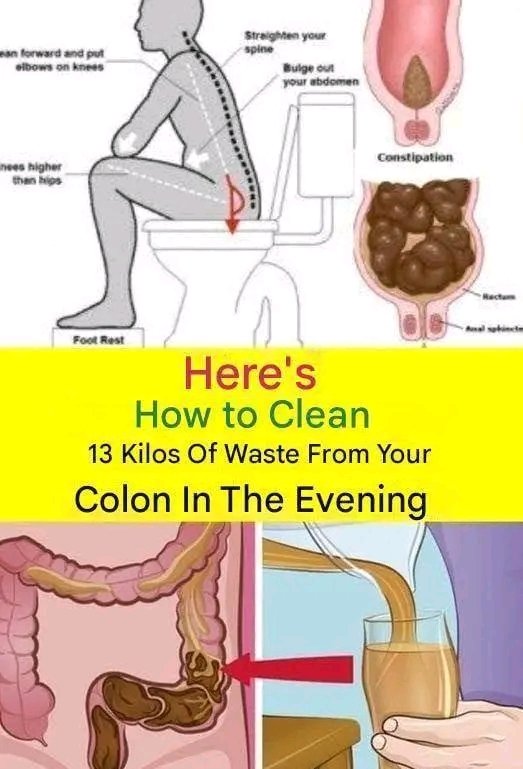
Can You Clean 15 Kilograms of Waste From Your Colon in One Night? The Truth About Colon Cleanses
Claims about removing 15 kilograms of waste from the colon overnight may sound shocking, but they often rely on misleading health information. The idea that old waste accumulates in the intestines for years and can be flushed out with a homemade drink or detox remedy is not supported by reliable medical evidence.
Your digestive system already has natural processes for moving waste out of your body. Understanding how these processes work can help you protect your digestive health without risking dehydration or other complications from aggressive cleansing methods.
Is It Possible to Remove 15 Kilograms of Waste Overnight?
There is no reliable evidence that an ordinary person carries 15 kilograms of accumulated waste inside the colon that can safely be removed in one night.
The amount of material in the digestive tract varies depending on food intake, hydration, bowel habits, and other factors. However, the colon is not designed to store layers of toxic waste that must periodically be scraped or flushed away.
A sudden drop in body weight after taking a laxative or undergoing a bowel cleanse generally reflects the loss of stool and water, not the removal of body fat or years of accumulated toxins.
Your colon does not need a routine detox to function properly.
How Your Colon Naturally Removes Waste
The colon, also called the large intestine, absorbs water and electrolytes from material passing through the digestive tract. The remaining material forms stool, which is eventually eliminated during a bowel movement.
Several factors help this process work normally:
- Adequate fluid intake.
- Dietary fiber from fruits, vegetables, legumes, and whole grains.
- Regular physical activity.
- Responding to the urge to have a bowel movement.
- Consistent eating and bathroom routines.
When these habits are disrupted, constipation can develop. The solution depends on its cause and may involve dietary changes, medication, or medical evaluation.
Five Safe Ways to Support Regular Bowel Movements
1. Increase Fiber Gradually
Fiber helps stool retain water and can improve bowel regularity.
Good sources include:
- Oats and whole-grain bread.
- Apples, pears, and berries.
- Beans, lentils, and chickpeas.
- Vegetables such as carrots and broccoli.
- Chia seeds and ground flaxseed.
Increase fiber gradually rather than making a sudden, dramatic change. Adding too much too quickly may cause gas and bloating.
2. Drink Enough Water
Adequate hydration supports normal digestion and can help prevent hard stools, especially when increasing fiber intake.
Individual fluid needs vary according to activity, climate, and health conditions. People who have been advised to restrict fluids because of heart or kidney problems should follow their clinician’s guidance.
3. Move Your Body Every Day
Walking, swimming, cycling, or other regular physical activity can support bowel function.
Even a short daily walk may be a practical starting point if you have been relatively inactive.
4. Establish a Regular Bathroom Routine
Try allowing yourself time to use the bathroom after breakfast or another meal. Eating stimulates natural intestinal movement in many people.
Avoid repeatedly ignoring the urge to pass stool, and do not strain excessively.
5. Consider Appropriate Treatment for Constipation
If lifestyle changes are insufficient, a pharmacist or healthcare professional can advise whether a suitable constipation treatment is appropriate.
Some laxatives can be helpful when used correctly, but frequent or excessive use can cause diarrhea, dehydration, and electrolyte disturbances. Strong bowel-cleansing products should not be used simply to remove supposed toxins or achieve rapid weight loss.
What About Homemade Colon-Cleansing Drinks?
Lemon water, ginger tea, and other ordinary beverages can contribute to hydration, but there is no good evidence that they remove kilograms of accumulated waste or detoxify a healthy colon.
Be especially cautious with:
- Strong laxative teas.
- Saltwater flushes.
- Large doses of magnesium-containing products.
- Repeated enemas or colon irrigation.
- Products marketed as overnight detox solutions.
These methods may cause cramping, diarrhea, dehydration, or dangerous changes in electrolyte levels. Colon irrigation can also cause serious complications, particularly in people with underlying intestinal conditions.
Medical bowel preparation is sometimes necessary before a colonoscopy, but it is performed for a specific medical purpose using instructions provided by a healthcare professional.
Signs That Constipation Needs Medical Attention
Occasional constipation is common. However, persistent symptoms may need assessment, particularly if they represent a new change in your usual bowel habits.
Seek medical advice if you experience:
- Constipation that does not improve with appropriate self-care.
- Repeated abdominal discomfort or significant bloating.
- Blood in your stool.
- Unexplained weight loss.
- A persistent change in bowel habits.
Seek urgent medical care if constipation occurs with severe or worsening abdominal pain, vomiting, marked abdominal swelling, or an inability to pass gas or stool. These symptoms can indicate an intestinal obstruction or another serious problem.
Do You Need a Colon Detox?
For most healthy people, no. The digestive system continuously processes food and eliminates waste without special cleansing products.
Colon cleansing may be medically appropriate in specific circumstances, such as preparation for certain diagnostic procedures, but it is not a proven method for removing toxins, improving overall health, or losing body fat.
If you regularly experience constipation, the most effective approach is to identify the underlying cause and choose a safe, evidence-based treatment.
Final Thoughts
The claim that you can remove 15 kilograms of waste from your colon in one night is not supported by reliable medical evidence. Extreme cleansing methods can cause harm, and a rapid change on the scale is usually not meaningful fat loss.
Support your digestive system with adequate fluids, gradual increases in dietary fiber, regular movement, and healthy bathroom habits. If constipation persists or you develop concerning symptoms, consult a healthcare professional rather than attempting an aggressive cleanse.
Disclaimer: This article is for general educational purposes and does not replace professional medical advice, diagnosis, or treatment.
Add a concise WordPress SEO packageReplace the sensational headline with clarity