
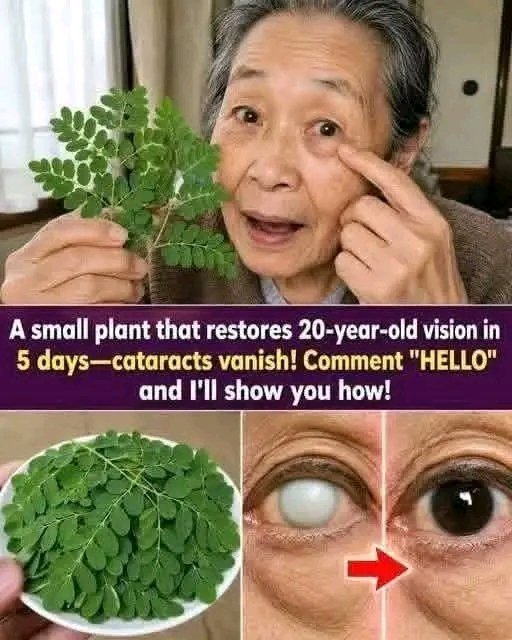
Can a Tiny Plant Restore Eyesight? The Truth About Natural Remedies for Aging Eyes
As we grow older, changes in vision can make reading, driving, and everyday activities more difficult. Understandably, many people look for natural ways to protect their eyesight, especially when they notice blurry vision, difficulty seeing at night, or increasing sensitivity to light.
You may have seen claims that a small medicinal plant can restore nearly blind eyes and bring back perfect 20/20 vision in just four days. Although these stories can sound remarkable, there is no reliable scientific evidence that any plant or homemade remedy can restore severe vision loss in four days.
Some plants contain nutrients that support general eye health, but protecting vision is very different from reversing an eye disease.
Why Does Vision Change With Age?
Several eye conditions become more common as people get older. Understanding the cause is essential because different conditions require different treatments.
1. Cataracts
Cataracts develop when the eye’s natural lens becomes cloudy. Symptoms may include blurry vision, glare, faded colors, and difficulty seeing at night.
Eating a balanced diet supports general health, but herbs and homemade eye drops cannot remove cataracts. Surgery is the established treatment when cataracts significantly interfere with daily activities.
2. Age-Related Macular Degeneration
Age-related macular degeneration (AMD) affects the macula, the part of the retina responsible for sharp central vision. It can make reading, recognizing faces, and seeing fine details difficult.
Some people with particular stages of AMD may benefit from specific nutritional supplements recommended by an eye specialist. These supplements do not cure AMD or restore all lost vision.
3. Glaucoma
Glaucoma damages the optic nerve and can cause permanent vision loss. It may develop without noticeable early symptoms.
Prescription eye drops, laser treatment, or surgery can help control the condition and reduce further damage. Vision already lost from glaucoma generally cannot be restored with herbs or vitamins.
4. Vitamin Deficiencies
Certain nutritional deficiencies, including severe vitamin A deficiency, can affect vision. Correcting a confirmed deficiency may improve some symptoms, depending on the underlying damage.
However, taking large amounts of vitamins without medical advice can be harmful. High doses of vitamin A, for example, can cause toxicity.
Which Plants and Nutrients May Support Eye Health?
Some foods contain nutrients important for maintaining healthy eyes:
- Spinach and kale: Provide lutein and zeaxanthin, carotenoids found in the retina.
- Carrots and sweet potatoes: Supply beta-carotene, which the body can convert into vitamin A.
- Eggs: Provide lutein, zeaxanthin, and other nutrients.
- Fatty fish: Supply omega-3 fatty acids and other nutrients as part of a balanced diet.
These foods can contribute to a healthy eating pattern, but they should not be presented as treatments that reverse blindness or eliminate the need for medical care.
Important: Never put herbal teas, plant extracts, oils, or homemade mixtures directly into your eyes. They may introduce harmful microorganisms or cause irritation and injury.
Five Practical Ways to Protect Aging Eyes
1. Schedule Regular Eye Examinations
An eye examination can identify conditions such as glaucoma, cataracts, diabetic eye disease, and macular degeneration before serious damage occurs.
2. Eat a Nutrient-Rich Diet
Include leafy green vegetables, colorful fruits and vegetables, eggs, fish, and other foods that provide essential nutrients.
3. Protect Your Eyes From Sunlight
Wear sunglasses that block 100% of UVA and UVB rays when outdoors. A brimmed hat can provide additional protection.
4. Manage Chronic Health Conditions
Diabetes and high blood pressure can damage the eyes. Follow your clinician’s recommendations for monitoring and managing these conditions.
5. Avoid Unproven Miracle Cures
Be cautious of products promising to cure blindness, reverse cataracts, or restore perfect vision within days. Delaying proven treatment can lead to preventable, permanent vision loss.
When Is Vision Loss an Emergency?
Sudden vision loss, a sudden shower of new floaters, flashes of light, a dark curtain across your vision, or severe eye pain requires urgent medical attention. Do not wait to see whether a home remedy works.
If an older adult’s eyesight is deteriorating, arrange an eye examination as soon as possible. Some causes of vision loss can be treated, but early assessment is often crucial.
Final Thoughts
Plants and nutrient-rich foods can contribute to overall health, including eye health. However, no tiny plant has been shown to reliably restore near-blind eyes to perfect 20/20 vision in only four days.
The most effective way to protect eyesight is to identify the underlying problem, obtain appropriate treatment, eat a balanced diet, and attend regular eye examinations.
Rather than relying on dramatic online promises, choose evidence-based care that gives your eyes the best chance of staying healthy.
Medical disclaimer: This article is for educational purposes only and is not a substitute for professional eye care or medical advice.