
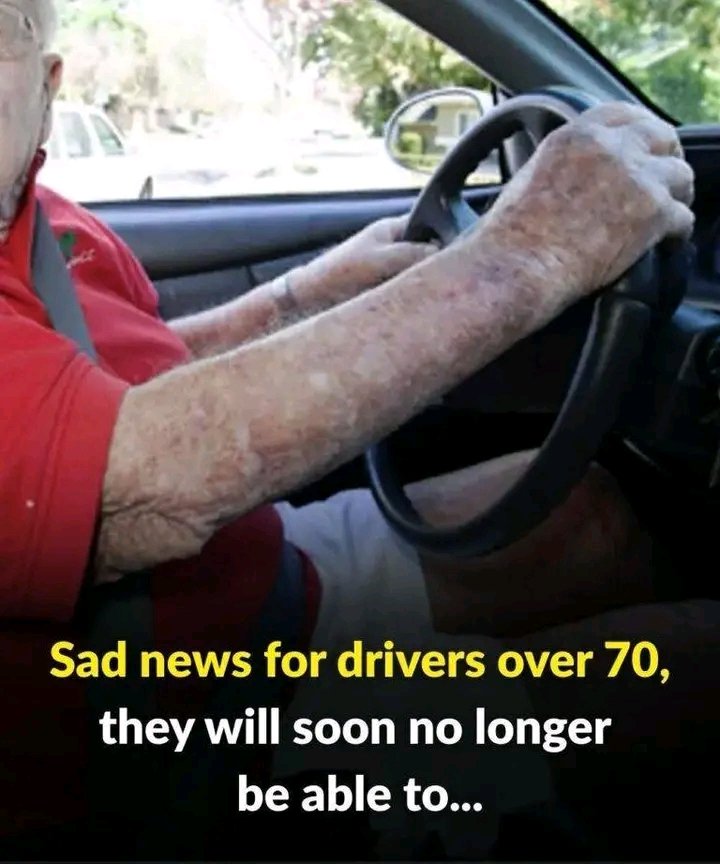
This headline suggests that drivers over 70 may soon face new driving restrictions, but the rules depend on the country, and the headline alone does not establish that a new law has been passed. Age by itself does not automatically mean someone must stop driving; licensing requirements vary by jurisdiction.
Sad News for Drivers Over 70? What Older Adults Need to Know About New Driving Rules
For many older adults, driving represents much more than getting from one place to another. It provides independence, freedom, and the ability to visit family, attend appointments, and remain active in the community.
That is why headlines suggesting that drivers over 70 will soon lose their right to drive can cause considerable concern.
But is there really a new law preventing people over 70 from driving? The answer depends on where you live, and it is important to separate confirmed rules from speculation.
Are Drivers Over 70 About to Lose Their Driving Licences?
There is no universal rule requiring drivers to stop driving when they turn 70. Licensing laws differ between countries, and many systems focus on licence renewal, eyesight, medical fitness, and individual driving ability.
In Great Britain, for example, drivers can continue driving beyond age 70 if they meet the applicable requirements. They must renew their driving entitlement at age 70 and then every three years. They must also declare that they meet the required eyesight standards and report relevant medical conditions.
Therefore, reaching 70 does not automatically mean losing the right to drive.
Why Are Authorities Reviewing Rules for Older Drivers?
As people age, vision, reaction time, mobility, and certain health conditions can change. However, these changes vary greatly from person to person.
Some people in their 70s and 80s remain confident, capable drivers, while others may develop conditions that affect their ability to drive safely.
The purpose of licensing assessments is to identify safety concerns without unfairly restricting people simply because of their age.
What About Mandatory Eye Tests?
In Great Britain, the government launched a consultation in January 2026 on potentially introducing mandatory eyesight tests for drivers aged 70 and over as part of licence renewal. The consultation closed on May 11, 2026. A consultation means that proposals are being considered; it does not, by itself, mean that a new requirement has become law.
Drivers should check official government announcements for the latest rules rather than relying on dramatic social media headlines.
What Should Drivers Over 70 Do Now?
If you are an older driver, or you have a family member who is, consider these practical steps:
1. Check Your Licence Renewal Date
Make sure your driving licence remains valid and that you understand the renewal requirements in your country.
2. Have Your Eyesight Checked
Regular eye examinations can help identify vision problems that may affect safe driving. Wear any prescribed glasses or contact lenses when driving.
3. Review Your Medications
Some medicines can cause drowsiness, dizziness, or slower reactions. Ask your doctor or pharmacist whether any of your medications could affect driving.
4. Pay Attention to Changes in Driving Ability
Difficulty seeing road signs, frequent near misses, confusion at familiar intersections, or trouble reacting to hazards may indicate that an assessment is needed.
5. Stay Informed About Official Rules
Use your country’s official driving-licensing authority for reliable information about renewal requirements, medical assessments, and any new legislation.
Does Turning 70 Mean You Should Stop Driving?
Not necessarily. Age alone does not determine whether someone is safe behind the wheel. Vision, physical ability, concentration, reaction time, medical conditions, and driving performance all matter.
If driving becomes difficult, options may include an eyesight correction, medical treatment, refresher lessons, or restrictions tailored to an individual’s needs.
In some situations, stopping driving may be the safest choice, but that decision should be based on a person’s circumstances and the applicable licensing rules—not on a misleading headline.
Final Thoughts
The claim that drivers over 70 will soon no longer be allowed to drive is too broad to be accurate without knowing the country and the specific law involved.
Some jurisdictions require more frequent renewals or medical checks as drivers get older. Others place greater emphasis on individual fitness to drive. In Great Britain, age 70 brings a licence-renewal requirement, not an automatic driving ban.
Before worrying about losing your licence, verify the rules with your official licensing authority. Staying informed, maintaining good eyesight, and addressing medical concerns can help older adults continue driving safely for as long as they meet the relevant requirements.
Disclaimer: This article provides general information and is not legal advice. Driving regulations vary by country and may change. Always consult the relevant official licensing authority for current requirements.
Add a concise answers-first summaryClarify the Great Britain scope