
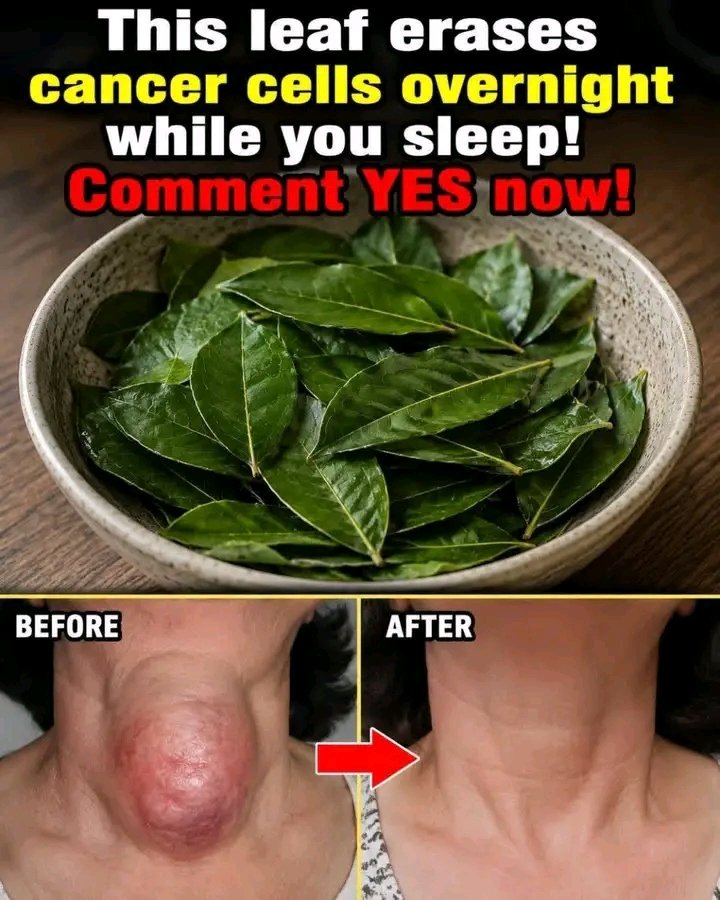
Can a Leaf Really Destroy Cancer Cells Overnight? The Truth About Herbal Cancer Remedies
Natural plants have been used in traditional medicine for centuries, and scientists continue to investigate plant-derived compounds for their potential role in modern medicine. Some medicines used today were originally developed from substances found in plants.
However, online claims that a single leaf can erase cancer cells overnight or eliminate the need for cancer treatment are misleading and potentially dangerous.
No leaf or homemade herbal remedy has been proven to cure cancer overnight. While certain plant compounds show promise in laboratory research, results in laboratory experiments do not establish that a plant can safely and effectively treat cancer in humans.
Understanding the difference can help people make informed decisions about their health.
Why Are Scientists Studying Plants for Cancer Research?
Plants produce many natural chemicals, some of which have biological effects. Researchers study these compounds to understand how they interact with cells and whether they might lead to new treatments.
Three important distinctions must be considered:
- Laboratory findings: A substance may damage cancer cells in a laboratory dish.
- Animal studies: Researchers investigate whether the substance has effects in living organisms.
- Human clinical trials: Carefully designed studies determine whether a treatment is effective and safe for people.
A plant extract that affects cancer cells in a laboratory may be ineffective, toxic, or impossible to use safely in humans at the concentrations tested.
Three Plant-Derived Compounds That Scientists Have Investigated
1. Paclitaxel: A Medicine Originally Derived From Yew Trees
Paclitaxel was developed from compounds found in Pacific yew trees and is used in certain cancer treatments. It works by interfering with cell division.
However, paclitaxel is a carefully manufactured medicine administered under medical supervision. Eating yew leaves or preparing a homemade extract is not a safe alternative; parts of yew plants can be highly poisonous.
2. Vincristine: A Medicine Derived From the Madagascar Periwinkle
Vincristine is a prescription chemotherapy medicine developed from compounds found in the Madagascar periwinkle. It is used for specific cancers and works by disrupting cell division.
The plant itself is not a substitute for the purified, standardized medicine. Unsupervised use of plant extracts can cause harm and delay appropriate treatment.
3. Camptothecin: A Compound That Helped Inspire Cancer Medicines
Camptothecin, originally isolated from the Chinese tree Camptotheca acuminata, helped scientists develop medicines that target an enzyme involved in DNA replication.
Its development illustrates why careful laboratory research, clinical testing, and pharmaceutical manufacturing are essential. It does not mean that drinking a tea made from the tree treats cancer safely.
Why Homemade Herbal Cancer Remedies Can Be Dangerous
Relying on an unproven remedy may delay diagnosis or effective treatment. Some herbs can also interact with chemotherapy, radiation-related care, prescription medicines, or anesthesia.
Potential risks include:
- Toxicity from incorrectly identified or prepared plants
- Interactions that change how medications work
- Liver or kidney injury from certain herbal products
- Delayed treatment while a cancer continues to progress
Natural does not automatically mean safe, and concentrated extracts can behave very differently from plants eaten as food.
What Should Someone Do After a Cancer Diagnosis?
The most appropriate treatment depends on the type of cancer, its stage, the person’s overall health, and other individual factors.
Evidence-based options may include surgery, radiation therapy, chemotherapy, immunotherapy, targeted therapy, hormone therapy, or combinations of these approaches.
People interested in herbal products should tell their oncology team exactly what they are considering before taking them. Some complementary approaches may help with symptoms or general well-being, but they should not replace proven cancer treatment.
Can Diet Help During Cancer Treatment?
A balanced diet can help support general health and nutritional needs during treatment. Depending on the person’s condition, this may include vegetables, fruits, whole grains, protein-rich foods, and adequate fluids.
No particular food, leaf, juice, or supplement has been established as a universal cancer cure. People undergoing treatment may need individualized dietary advice, especially if they have poor appetite, weight loss, swallowing difficulties, or treatment-related digestive symptoms.
Final Thoughts
Plants have contributed enormously to medical discoveries, including the development of important cancer medicines. But a plant used to develop a prescription drug is not equivalent to consuming the raw plant or a homemade preparation.
Claims that a leaf destroys cancer cells overnight are not supported by reliable clinical evidence. Anyone facing a cancer diagnosis deserves accurate information, timely medical care, and treatments selected for their specific condition—not promises of a miracle cure.
Medical disclaimer: This article is for educational purposes only. It does not diagnose, treat, or cure cancer and should not replace advice from a qualified oncology professional.
Add a stronger reader-friendly openingSeparate evidence from safety warnings