
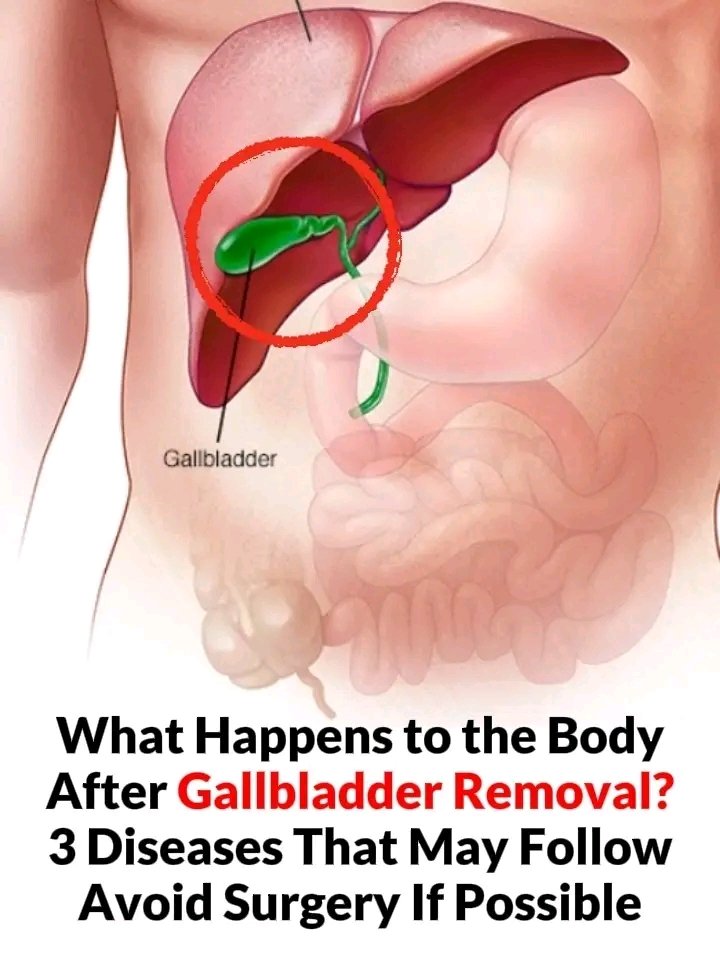
What Happens to Your Body After Gallbladder Removal? Possible Complications and What You Should Know
Gallbladder removal, medically known as a cholecystectomy, is one of the most common operations performed to treat gallbladder problems. Although many people recover well and return to their usual routines, others experience digestive changes or complications after surgery.
This raises an important question: What happens to your body when your gallbladder is removed, and can you avoid surgery safely?
The answer depends on why surgery is being considered, whether symptoms are present, and whether complications have already developed. Although some gallbladder conditions can be managed without an operation, avoiding necessary treatment can be dangerous.
Let’s explore how the body adapts after gallbladder removal, three conditions that may occur afterward, and the steps you can take to protect your health.
What Does the Gallbladder Actually Do?
The gallbladder is a small, pear-shaped organ located beneath the liver. Its main function is to store and concentrate bile, a digestive fluid produced by the liver.
When you eat, particularly a meal containing fat, the gallbladder releases bile into the small intestine. Bile helps your body digest and absorb dietary fats.
You can live without a gallbladder. After removal, the liver continues producing bile, but the bile flows directly into the small intestine instead of being stored and released in larger amounts by the gallbladder.
Most people can digest food adequately after recovery. However, some experience temporary or persistent changes in bowel habits, especially after eating fatty meals.
1. Bile Acid Diarrhea: Persistent Loose Stools
One possible problem after gallbladder removal is bile acid diarrhea. Some people experience frequent, urgent, or watery bowel movements after surgery.
Why does it happen?
Without a gallbladder, bile flows more continuously from the liver into the intestine. In some people, excess bile acids reach the colon, where they stimulate fluid secretion and increase bowel movements.
Symptoms may include:
- Frequent loose or watery stools
- Sudden urgency to use the bathroom
- Abdominal cramping
- Diarrhea that becomes more noticeable after meals
These symptoms often improve as the body adapts, but persistent diarrhea should not be ignored.
What can help?
- Eat smaller meals throughout the day.
- Reduce very fatty or greasy foods if they trigger symptoms.
- Increase soluble fiber gradually, with guidance if needed.
- Drink enough fluids to prevent dehydration.
If symptoms continue, a healthcare professional can investigate bile acid diarrhea and may prescribe a bile acid-binding medicine, such as cholestyramine, when appropriate.
Important: Persistent diarrhea after surgery is not something you simply have to tolerate. Effective treatment is available.
2. Bile Duct Problems and Retained Gallstones
Another possible complication involves the bile ducts, which carry bile from the liver to the intestine.
Sometimes a gallstone remains in the bile duct after gallbladder removal. In other cases, a stone develops later, or a bile duct becomes narrowed because of scarring or injury.
What symptoms should you watch for?
Possible warning signs include:
- Pain in the upper right abdomen
- Yellowing of the skin or eyes, known as jaundice
- Dark urine or unusually pale stools
- Nausea and vomiting
- Fever or chills
A blocked bile duct can cause serious complications, including infection of the bile ducts or pancreatitis.
Seek urgent medical care if you develop jaundice, fever with abdominal pain, or severe persistent abdominal pain after gallbladder surgery.
Treatment depends on the problem and may involve an endoscopic procedure, such as ERCP, to remove a retained stone or relieve an obstruction.
These complications are not inevitable consequences of gallbladder removal. They are recognized complications that require appropriate assessment and treatment.
3. Persistent Abdominal Pain and Indigestion
Some people continue to experience abdominal discomfort, bloating, nausea, or indigestion after gallbladder removal. This is sometimes described as post-cholecystectomy syndrome.
The term describes a group of symptoms rather than one specific disease.
What might cause these symptoms?
Possible causes include:
- Retained or newly formed bile duct stones
- Acid reflux or gastritis
- Functional digestive disorders
- Bile acid diarrhea
- Problems involving the pancreas or bile ducts
- Other conditions unrelated to the gallbladder
Symptoms can vary from mild bloating to recurrent abdominal pain. Persistent symptoms deserve medical evaluation rather than being automatically attributed to the surgery.
How can symptoms be managed?
Treatment depends on the underlying cause. A healthcare professional may recommend blood tests, an ultrasound, or other investigations.
Smaller meals, moderate fat intake, and keeping a food-and-symptom diary may help identify triggers. However, dietary changes alone will not resolve a blocked bile duct or another serious complication.
Does Gallbladder Removal Cause Other Diseases?
Online articles sometimes claim that gallbladder removal inevitably causes liver disease, diabetes, or other serious conditions. These claims are misleading.
Gallbladder removal does not automatically cause these diseases. Some studies have investigated associations between gallbladder removal and later health conditions, but an association does not establish that surgery caused the condition. People who undergo surgery may already have risk factors, such as obesity or metabolic disease.
The established concerns after surgery are more specific: possible digestive changes, bile duct complications, and persistent symptoms that require investigation.
Can You Avoid Gallbladder Surgery?
This is one of the most important questions to discuss with your doctor.
Sometimes surgery can be avoided, but not in every situation. The appropriate treatment depends on the diagnosis, the severity of symptoms, and whether complications are present.
<box gap={3}> <row align=start gap={3}> <AsyncImage query=”medical illustration gallbladder with small asymptomatic gallstones” aspectRatio=”3:4″ maxWidth=”108px” /> <box flex=”1″ gap={1}> **1. Gallstones without symptoms**
  Gallstones discovered incidentally often do not require immediate treatment if there are no symptoms or special risk factors. Monitoring may be appropriate after medical assessment.
</box>
</row> <divider color=”subtle” /> <row align=start gap={3}> <AsyncImage query=”medical illustration gallbladder gallstones causing biliary colic” aspectRatio=”3:4″ maxWidth=”108px” /> <box flex=”1″ gap={1}> **2. Repeated attacks of gallstone pain**
  For symptomatic gallstones, planned laparoscopic gallbladder removal is often recommended because it reduces the risk of recurrent attacks. Pain medicines and dietary adjustments may help symptoms temporarily but do not reliably eliminate the stones.
</box>
</row> <divider color=”subtle” /> <row align=start gap={3}> <AsyncImage query=”medical illustration inflamed gallbladder acute cholecystitis” aspectRatio=”3:4″ maxWidth=”108px” /> <box flex=”1″ gap={1}> **3. Acute inflammation or serious complications**
  Acute cholecystitis, a blocked bile duct, or certain infections may require urgent treatment. Delaying necessary care can lead to severe illness.
</box>
</row> </box>
Are There Nonsurgical Treatments?
In selected cases, doctors may prescribe ursodeoxycholic acid to dissolve certain small cholesterol gallstones. However, it is not suitable for everyone, can take months or longer to work, and stones may return after treatment.
Shock-wave treatments are used only in selected circumstances and are not a routine replacement for surgery.
Dietary changes can reduce the likelihood of triggering gallbladder pain, but they do not reliably dissolve existing gallstones.
If you are unsure about an operation, ask your doctor about the benefits, risks, alternatives, and likely consequences of delaying treatment. A second medical opinion may help you make an informed decision when the situation is not urgent.
How to Eat After Gallbladder Removal
You do not necessarily need to follow a strict low-fat diet forever. Many people gradually return to a varied, balanced diet.
During recovery, the following steps may help:
- Eat smaller meals. Large meals may be harder to tolerate initially.
- Limit very fatty foods temporarily. Fried foods, rich sauces, and greasy meals may trigger diarrhea or bloating.
- Increase fiber gradually. Oats, fruits, vegetables, and other fiber-rich foods may help regulate bowel movements.
- Stay hydrated. Replace fluids lost through diarrhea.
- Reintroduce foods gradually. Individual tolerance varies, so note which foods cause symptoms.
Follow your surgical team’s specific instructions, particularly during the first weeks after surgery.
When Should You Seek Medical Attention?
Contact your healthcare professional if you experience ongoing diarrhea, recurrent abdominal pain, persistent nausea, or unexplained digestive changes after surgery.
Seek urgent medical care for:
- Severe or worsening abdominal pain
- Fever or chills accompanied by abdominal symptoms
- Yellow skin or eyes
- Repeated vomiting or inability to keep fluids down
- A swollen, red, or draining surgical wound
- Difficulty breathing or chest pain
These symptoms may indicate complications that require prompt treatment.
Final Thoughts: Is Gallbladder Removal Worth It?
Gallbladder removal is generally effective for appropriately selected patients, and most people can live a healthy life without the organ. Some experience digestive changes or other complications, but these are not inevitable, and many can be treated.
The best decision is not simply to avoid surgery at all costs. It is to understand why surgery has been recommended, whether nonsurgical options are reasonable, and what risks come with waiting.
If you have gallstones but no symptoms, observation may be appropriate. If you have repeated painful attacks, inflammation, or a blocked bile duct, surgery or another intervention may be the safest option.
Discuss your individual situation with a qualified healthcare professional before deciding to delay or decline treatment.
Medical disclaimer: This article is for educational purposes only and does not replace individualized medical advice, diagnosis, or treatment. Never delay emergency care for severe abdominal pain, fever with jaundice, or other signs of a serious complication.
Add a concise key-points summaryClarify surgery decision-making language