
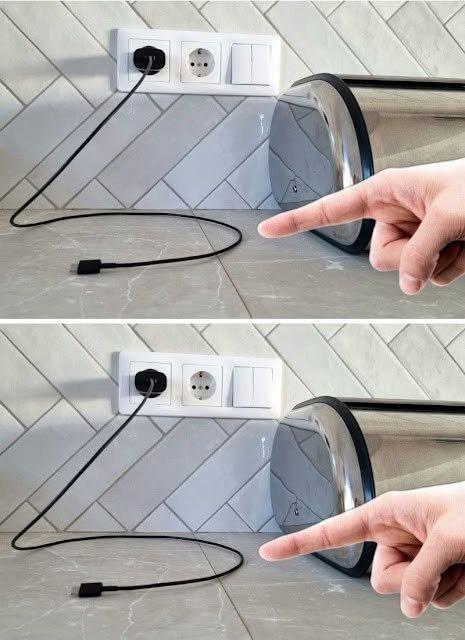
Leaving a phone charger plugged into the wall without a phone is not automatically dangerous. However, there are sensible reasons to unplug damaged, poor-quality, or unnecessary chargers. The key is separating genuine electrical safety concerns from exaggerated social media warnings.
Never Leave a Charger Plugged In Without Your Phone? 3 Important Reasons to Know
Many people unplug their phones after charging but leave the charger connected to the wall. Is that dangerous? Not necessarily. A modern, good-quality charger is designed to operate safely when used correctly, but leaving any electrical device plugged in unnecessarily is still worth thinking about.
Here are three important reasons to unplug your phone charger when you are not using it.
1. Poor-Quality or Damaged Chargers Can Be a Fire Risk
One of the biggest concerns is not simply leaving a charger plugged in—it is leaving a faulty, damaged, or counterfeit charger connected to the electrical supply.
Low-quality chargers may not meet appropriate safety standards. Damaged plugs, frayed cables, loose connections, or internal electrical faults can increase the risk of overheating, electric shock, or fire. <Cite refs={[“turn628995search2″,”turn628995search4”]}/>
What you should do:
- Buy chargers from reputable retailers.
- Use a compatible charger recommended by the manufacturer.
- Inspect the plug and cable regularly.
- Stop using a charger that smells unusual, sparks, becomes excessively hot, or shows signs of damage.
Unplug it safely if you notice a problem. If the outlet itself is hot, buzzing, or scorched, stop using it and contact a qualified electrician.
2. It Still Uses a Small Amount of Electricity
Even when your phone is disconnected, a plugged-in charger may consume a small amount of standby electricity.
Modern chargers are generally designed to be energy-efficient, so the amount used by one charger is usually very small. Nevertheless, unplugging unused chargers can help eliminate this standby consumption.
The savings from a single phone charger are unlikely to be dramatic, but the habit can make sense when you have several unused electronic devices around your home.
3. Unplugging Reduces Unnecessary Electrical Exposure
A charger left in an outlet remains connected to the mains electricity supply. If the charger or outlet develops a fault, that connection can become a safety concern.
Unplugging unused chargers removes that particular source of electrical exposure. It is especially sensible to disconnect chargers that are old, damaged, unreliable, or located in areas where they could be exposed to water.
However, a properly functioning, certified charger does not automatically become dangerous simply because no phone is attached. The actual risk depends on its condition, quality, and how it is used.
Bonus: How to Charge Your Phone More Safely
Follow these simple precautions:
- Charge your phone on a hard, flat, well-ventilated surface.
- Keep chargers away from water and excessive heat.
- Never place a charging phone under a pillow or blanket.
- Avoid damaged cables and unverified chargers.
- Follow the manufacturer’s charging instructions.
- Unplug the charger when it is not needed, particularly if you will be away for an extended period.
These precautions align with guidance from Electrical Safety First and other electrical-safety organizations. <Cite refs={[“turn628995search2″,”turn628995search4”]}/>
Final Thoughts
Leaving a good-quality phone charger plugged into the wall without a phone is not automatically a cause for alarm. The real concerns are faulty equipment, unnecessary standby electricity use, and avoidable electrical hazards.
The simplest habit is also a sensible one: unplug chargers when you are finished using them, and replace any charger that shows signs of damage.
Safety note: This article provides general information. Always follow the manufacturer’s instructions and seek professional assistance if an electrical outlet or charger appears faulty.
Sources
- Electrical Safety First — USB charger safety advice
- Electrical Safety First — Mobile phone and tablet safety