
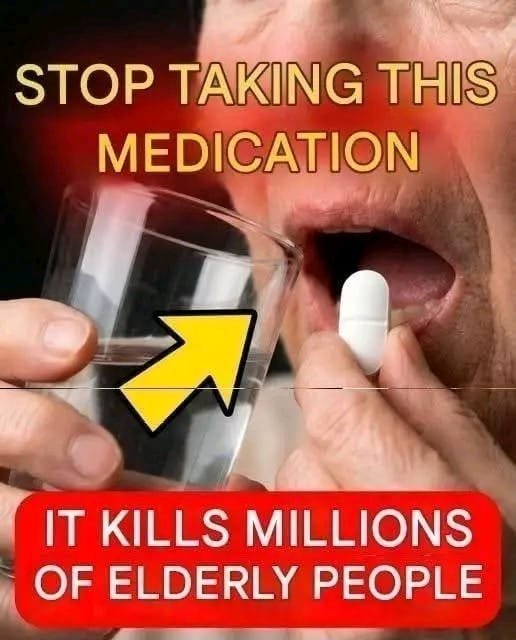
Here is a professional, WordPress-ready health article in English based on your headline. It explains medication-related cardiovascular risks responsibly, without suggesting that older adults stop prescribed treatment.
A Cardiologist Warns: 5 Types of Medication Older Adults Should Use With Caution
Meta Description: Learn about five types of medication that may affect heart attack and stroke risk in older adults, their potential side effects, and how to use them safely.
As we get older, taking care of our heart becomes increasingly important. Many adults over 60 take medications for high blood pressure, arthritis, diabetes, allergies, or other chronic conditions. Although these treatments can be essential, some medications may increase cardiovascular risks or cause complications in certain people.
The key is not to fear medication, but to understand its potential effects and make informed decisions with a healthcare professional. Age-related changes in kidney and liver function, existing medical conditions, and interactions between medications can all influence how the body responds to treatment. FDA guidance explains why medication reviews become particularly important as we age.
Here are five medication categories older adults should discuss with their doctors when considering heart health.
1. Nonsteroidal Anti-Inflammatory Drugs (NSAIDs)
Common pain relievers such as ibuprofen, naproxen, and diclofenac belong to a group called nonsteroidal anti-inflammatory drugs, or NSAIDs.
These medications are frequently used to relieve arthritis pain, inflammation, headaches, and muscle discomfort. However, certain NSAIDs can increase blood pressure, cause fluid retention, affect kidney function, and increase the risk of heart attack or stroke. The risk may be greater for people with existing cardiovascular disease or those who take high doses or use these medicines for extended periods.
What older adults should know: Ask a doctor or pharmacist whether an NSAID is appropriate for your medical history. Depending on the condition, other pain-management options may be available.
2. Oral Decongestants for Colds and Allergies
Some cold and sinus medications contain decongestants such as pseudoephedrine or phenylephrine.
These ingredients help relieve nasal congestion by narrowing blood vessels. Unfortunately, this action can also raise blood pressure and may place additional strain on the cardiovascular system.
Older adults with uncontrolled hypertension, heart disease, or a history of stroke should consult a healthcare professional before using oral decongestants.
What older adults should know: Saline nasal sprays and other suitable treatments may provide relief without the same effects on blood pressure. Ask a pharmacist to check the ingredients of combination cold medicines before taking them.
3. Certain Corticosteroids
Corticosteroids such as prednisone and methylprednisolone are prescribed for conditions involving inflammation, including some autoimmune diseases and severe allergic reactions.
When taken systemically, particularly at higher doses or for prolonged periods, these medications can contribute to increased blood pressure, fluid retention, elevated blood sugar, and other metabolic changes.
These effects may be especially important for people who already have hypertension, diabetes, heart failure, or other cardiovascular conditions.
What older adults should know: The risks depend on the dose, duration, and reason for treatment. Never stop long-term corticosteroid treatment suddenly without medical advice, because doing so can be dangerous.
4. Certain Antipsychotic Medications
Antipsychotic medications may be prescribed for schizophrenia, bipolar disorder, and certain other psychiatric conditions. Examples include risperidone and olanzapine.
These medicines can be beneficial when appropriately prescribed, but some may contribute to weight gain, changes in blood sugar and cholesterol, or other cardiovascular risk factors. Certain antipsychotics also require particular caution in older adults with dementia because of an increased risk of serious adverse outcomes, including stroke and death.
What older adults and caregivers should know: The benefits and risks should be reviewed regularly, especially when these medicines are prescribed to older adults with dementia. Do not change psychiatric treatment without consulting the prescribing clinician.
5. Certain Diabetes Medications That Can Cause Low Blood Sugar
Some older diabetes medications, particularly sulfonylureas such as glibenclamide (glyburide), can cause hypoglycemia, or dangerously low blood sugar.
Older adults may be especially vulnerable to hypoglycemia because of changes in kidney function, irregular eating patterns, or the use of multiple medications. Severe episodes can cause confusion, falls, seizures, and other serious complications.
The cardiovascular implications depend on the individual and the circumstances. It would be inaccurate to claim that every diabetes medication increases heart attack or stroke risk. In fact, some newer diabetes treatments have demonstrated cardiovascular benefits for appropriate patients.
What older adults should know: Ask your doctor whether your diabetes treatment and blood sugar targets remain suitable for your age, kidney function, and overall health.
Why Medication Risks Can Increase With Age
A medication that was well tolerated years ago may require a different dose or closer monitoring later in life.
Several factors can contribute to medication-related problems:
- Changes in kidney and liver function: These organs help process and eliminate many medications.
- Multiple prescriptions: Taking several medicines increases the possibility of interactions.
- Existing health conditions: High blood pressure, diabetes, kidney disease, and heart failure can change the safety profile of a medication.
- Over-the-counter products: Cold remedies, pain relievers, vitamins, and herbal supplements can also cause interactions.
- Changes in appetite and hydration: These may affect how some medicines work and increase the risk of adverse effects.
Regular medication reviews can help identify unnecessary treatments, inappropriate doses, and safer alternatives when available.
How Older Adults Can Protect Their Heart
Protecting cardiovascular health involves more than avoiding certain medications. It also means taking prescribed treatments correctly and managing the conditions that increase heart attack and stroke risk.
Consider these practical steps:
- Maintain an updated medication list. Include prescription medicines, over-the-counter products, vitamins, and supplements.
- Schedule regular medication reviews. Ask your doctor or pharmacist whether every medicine is still necessary and appropriate.
- Monitor blood pressure and blood sugar. Follow the monitoring schedule recommended by your healthcare team.
- Ask before taking new medicines. This is particularly important when buying pain relievers or cold and allergy products.
- Follow your treatment plan. Do not reduce doses, skip medication, or stop prescribed treatment without medical advice.
- Adopt heart-healthy habits. Regular physical activity suited to your abilities, a balanced diet, adequate sleep, and avoiding tobacco can support cardiovascular health.
When to Seek Emergency Medical Help
Recognizing the warning signs of a heart attack or stroke can save a life.
Possible heart attack symptoms include chest pressure or discomfort, shortness of breath, cold sweats, nausea, or pain in the arm, back, neck, or jaw.
Stroke warning signs include sudden facial drooping, weakness or numbness on one side of the body, difficulty speaking, sudden vision changes, or a sudden loss of balance.
If these symptoms occur, seek emergency medical help immediately. Do not wait to see whether they disappear.
Final Thoughts
Some medications can increase cardiovascular risks in certain older adults, but their effects depend on the specific drug, dose, duration of use, medical history, and other treatments being taken.
NSAIDs, oral decongestants, systemic corticosteroids, certain antipsychotics, and some diabetes medications deserve careful consideration in appropriate clinical circumstances. However, these categories are not equally risky, and not every medicine within them causes heart attacks or strokes.
The most important step is to review your medications with a qualified healthcare professional rather than stopping them on your own. A personalized treatment plan can help older adults manage existing conditions while reducing preventable complications.
Medical disclaimer: This article is for educational purposes only and is not a substitute for individualized medical advice, diagnosis, or treatment.
References for your WordPress article
- U.S. Food and Drug Administration (FDA) — Medication safety and aging.
FDA+1
- American Academy of Family Physicians — Medication use in older adults.
AFP
- American Heart Association — Cold medicines and heart health.
American Heart Association
SEO suggestion: Use the focus keyphrase medication risks in older adults and a URL slug such as medication-risks-older-adults-heart-health.