
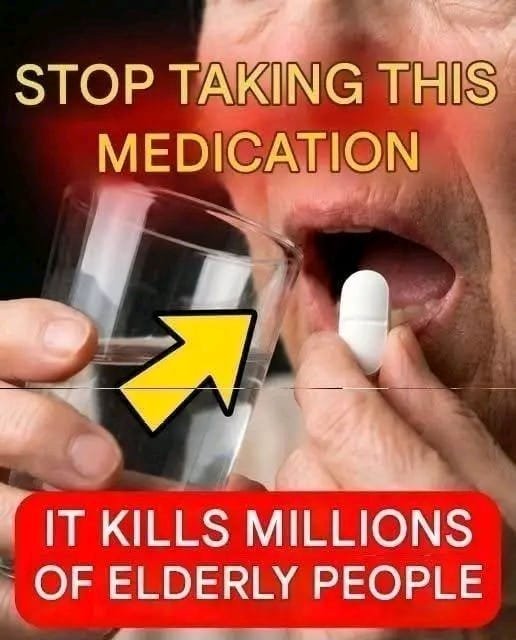
This headline needs careful handling because older adults often take several medications to protect their heart, prevent strokes, and manage chronic conditions. Some medicines can increase cardiovascular risks in certain circumstances, but people should never stop a prescribed medication without speaking to their healthcare professional.
A Cardiologist Warns: 5 Types of Medication Older Adults Should Use With Caution
As we get older, medications can play an essential role in protecting the heart, controlling blood pressure, managing diabetes, and preventing strokes. However, certain medicines may also carry cardiovascular risks, particularly for people with existing heart disease, high blood pressure, kidney problems, or multiple prescriptions.
The important point is not to fear medication, but to understand its potential risks and use it correctly. Some drugs can raise blood pressure, increase the risk of blood clots or stroke, or worsen existing heart conditions.
Important: No medication should be stopped or changed without medical advice. The following five categories deserve particular attention in some older adults, but the risks depend on the specific drug, dose, medical history, and reason for treatment.
1. Nonsteroidal Anti-Inflammatory Drugs (NSAIDs)
Common examples include ibuprofen, naproxen, diclofenac, and celecoxib.
These medications are frequently used to relieve arthritis pain, muscle aches, and inflammation. However, non-aspirin NSAIDs can increase the risk of heart attack and stroke. The risk may begin within the first weeks of use and can increase with higher doses or longer treatment.
NSAIDs can also cause fluid retention, raise blood pressure, and worsen heart failure in susceptible people. Older adults may be particularly vulnerable because kidney function often declines with age.
What to do:
- Ask a healthcare professional whether an NSAID is appropriate for you.
- Use the lowest effective dose for the shortest necessary period, when advised.
- Tell your clinician if you have heart disease, kidney disease, high blood pressure, or a history of stroke.
- Do not assume that over-the-counter painkillers are automatically safe.
The U.S. Food and Drug Administration provides a detailed warning about the cardiovascular risks of non-aspirin NSAIDs.
2. Decongestants Used for Colds and Nasal Congestion
Some cold and flu remedies contain pseudoephedrine or phenylephrine. These ingredients help relieve nasal congestion, but certain decongestants can raise blood pressure and heart rate.
For someone with uncontrolled hypertension, an irregular heartbeat, or cardiovascular disease, this effect may be a concern.
Combination cold medicines can also contain several active ingredients, making it easy to take a medicine that is unsuitable for an existing condition.
What to do:
- Check the active ingredients on cold and flu medicine labels.
- Ask a pharmacist before using a decongestant if you have heart disease or high blood pressure.
- Consider saline nasal sprays or other suitable alternatives after checking with a healthcare professional.
These medicines do not inevitably cause heart attacks or strokes, but individual risk matters.
3. Certain Antipsychotic Medications in People With Dementia
Antipsychotic medicines may be prescribed for serious psychiatric conditions and, in selected circumstances, severe behavioral symptoms. Examples include risperidone, olanzapine, and haloperidol.
In older adults with dementia, antipsychotics are associated with an increased risk of stroke and higher mortality. These medicines may sometimes be necessary, but their potential benefits must be weighed carefully against their risks.
They should not be treated as routine solutions for ordinary restlessness, confusion, or wandering in dementia.
What to do:
- Ask the prescribing clinician to explain the expected benefit and possible risks.
- Review whether non-drug approaches could help with behavioral symptoms.
- Arrange regular medication reviews to determine whether treatment remains necessary.
People who need antipsychotics for conditions such as schizophrenia or bipolar disorder should not stop treatment abruptly. Their treatment decisions require individualized medical guidance.
4. Certain Diabetes Medications, Including Sulfonylureas
Sulfonylureas are a class of medicines used to lower blood glucose. Examples include glimepiride, glipizide, and glyburide, also known as glibenclamide.
These medicines can cause hypoglycemia, or dangerously low blood sugar. The risk may be especially important in older adults who have kidney impairment, eat irregularly, or take several glucose-lowering medicines.
The American Geriatrics Society’s 2023 Beers Criteria notes concerns about cardiovascular outcomes and hypoglycemia with sulfonylureas, particularly long-acting agents.
This does not mean every person taking one of these medications faces the same cardiovascular risk. Diabetes itself can increase the risk of heart disease and stroke, so effective glucose management remains important.
What to do:
- Take diabetes medication exactly as prescribed.
- Ask whether your medication and dose remain appropriate as your health changes.
- Discuss repeated low blood sugar episodes, dizziness, sweating, confusion, or shakiness with your clinician.
- Never discontinue diabetes medication without a treatment plan.
5. Long-Term Oral Corticosteroids
Corticosteroids such as prednisone and prednisolone are used to treat inflammatory and autoimmune conditions, among other illnesses.
When used at higher doses or for prolonged periods, oral corticosteroids can contribute to increased blood pressure, elevated blood glucose, fluid retention, and changes in cholesterol. These effects may complicate the management of cardiovascular disease.
The risks depend on the dose, duration of treatment, underlying illness, and the person’s overall health. A short course prescribed for a specific condition is not equivalent to long-term treatment.
What to do:
- Take corticosteroids exactly as directed.
- Ask about monitoring blood pressure, blood glucose, and other relevant health measures.
- Discuss the lowest effective dose and possible alternatives with your prescriber.
- Never stop long-term corticosteroids suddenly unless a healthcare professional specifically directs you to do so; gradual reduction may be necessary.
Warning Signs That Require Emergency Care
Regardless of which medications you take, seek emergency medical attention if you or someone nearby develops signs of a possible heart attack or stroke.
Possible heart attack symptoms include:
- Chest pressure, tightness, or pain.
- Shortness of breath.
- Pain spreading to the arm, back, neck, or jaw.
- Sudden cold sweating, nausea, or unexplained weakness.
Possible stroke symptoms include:
- Sudden facial drooping.
- Weakness or numbness, especially on one side of the body.
- Sudden difficulty speaking or understanding speech.
- Sudden loss of vision, severe balance problems, or an unexplained severe headache.
Call your local emergency service immediately. Do not wait to see whether symptoms disappear.
How Older Adults Can Reduce Medication Risks
A few practical steps can help prevent avoidable medication problems:
- Keep an updated medication list. Include prescriptions, over-the-counter medicines, vitamins, and supplements.
- Review medications regularly. Ask a doctor or pharmacist to check for interactions, duplicate ingredients, and inappropriate doses.
- Report new symptoms. Dizziness, swelling, unusual bruising, palpitations, or repeated low blood sugar episodes deserve attention.
- Check kidney function when appropriate. Some medicines need dose adjustments when kidney function declines.
- Understand why each medication is prescribed. A medicine that is risky in one situation may be essential in another.
For example, aspirin can increase bleeding risk when used for primary prevention, but it may be important for people with established cardiovascular disease. Never start or stop daily aspirin without discussing your individual circumstances with a healthcare professional.
Final Thoughts
Some medications can increase cardiovascular risks or worsen existing conditions in older adults, but their effects are not the same for everyone. NSAIDs, certain decongestants, antipsychotics in people with dementia, some diabetes medicines, and long-term oral corticosteroids are examples of treatments that may warrant closer review in appropriate circumstances.
The goal is not to stop necessary treatment. It is to make sure every medicine has a clear purpose, an appropriate dose, and a favorable balance of benefits and risks.
The safest step is to schedule a medication review with a qualified healthcare professional, especially if you take several medicines or have a history of heart disease or stroke.
Medical Disclaimer
This article is for educational purposes only and does not replace individualized medical advice, diagnosis, or treatment. Medication risks depend on personal health circumstances. Never stop, reduce, or replace a prescribed medicine without consulting the clinician responsible for your care.
References
- U.S. Food and Drug Administration: NSAIDs and the risk of heart attack and stroke
- American Geriatrics Society: 2023 Beers Criteria for potentially inappropriate medication use in older adults
- U.S. Food and Drug Administration: Aspirin and the prevention of heart attack and stroke
Soften the alarmist headlineClarify the main risk categories