
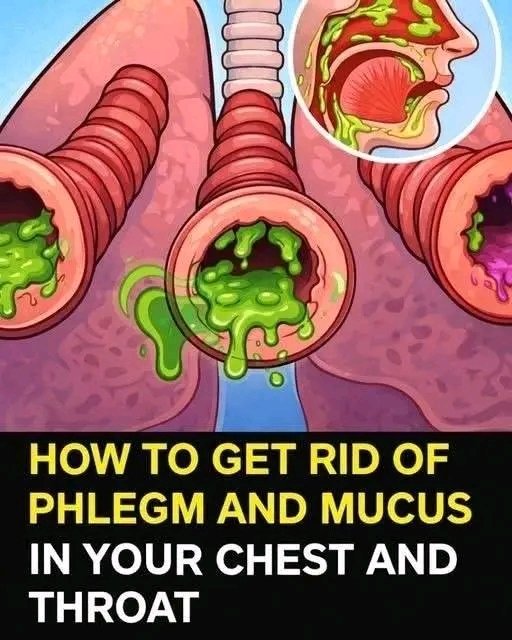
How to Get Rid of Phlegm and Mucus in Your Chest and Throat Naturally
Phlegm in your chest and mucus in your throat can be uncomfortable. You may experience frequent coughing, a tickling sensation, throat clearing, congestion, or the feeling that something is stuck in your airways.
These symptoms often occur during a cold, a respiratory infection, allergies, or irritation from smoke and pollution. In many cases, simple home-care measures can help loosen mucus and make it easier to clear.
However, the best approach depends on what is causing the problem. Natural remedies may help relieve symptoms, but they do not cure every infection or replace necessary medical treatment.
Here are practical ways to manage mucus safely at home.
1. Drink Plenty of Fluids
Staying hydrated can help keep mucus from becoming excessively thick and sticky, making it easier to cough up.
Try drinking:
- Water throughout the day
- Warm water or caffeine-free tea
- Clear soups and broths
- Warm water with a little honey, if appropriate
You do not need to force yourself to drink excessive amounts. Aim for regular hydration unless your healthcare professional has advised you to restrict fluids because of a heart or kidney condition.
2. Try Warm Water With Honey
Honey may help soothe an irritated throat and reduce coughing, particularly when a cold is responsible.
How to prepare it
Ingredients
- 1 cup of warm water
- 1–2 teaspoons of honey
- A little lemon juice, if desired
Instructions
- Pour warm, not boiling, water into a cup.
- Stir in the honey.
- Add a little lemon juice if you enjoy the taste.
- Sip slowly.
Honey can help relieve coughing, but it does not directly remove mucus from the lungs or treat the underlying cause of a chest infection.
Important: Never give honey to a child younger than 12 months because of the risk of infant botulism.
3. Gargle With Warm Salt Water
If mucus is collecting in your throat, a saltwater gargle may soothe irritation and help clear secretions from the back of the throat.
How to do it
- Dissolve about half a teaspoon of salt in a glass of warm water.
- Gargle gently for several seconds.
- Spit the water out rather than swallowing it.
- Repeat as needed.
This remedy may relieve throat discomfort, but it will not clear mucus deep inside the lungs. Young children who cannot gargle safely should not use this method.
4. Use a Clean Humidifier
Dry air may irritate your throat and make respiratory secretions feel more uncomfortable. A clean humidifier can add moisture to the air and may provide relief.
To use one safely:
- Follow the manufacturer’s cleaning instructions.
- Change the water regularly.
- Avoid excessive indoor humidity, which can encourage mold and dust mites.
- Stop using it if you notice increased irritation.
Avoid leaning over a bowl of boiling water. Steam inhalation can cause serious burns, and evidence that it meaningfully shortens respiratory illnesses is limited.
5. Try a Warm Shower
A warm shower may temporarily make you feel less congested and soothe an irritated throat.
Keep the water comfortably warm rather than very hot, and leave the bathroom if you feel dizzy or short of breath.
This method can provide comfort, but it does not cure bronchitis, pneumonia, or other respiratory infections.
6. Learn to Clear Mucus With a Gentle Cough
When phlegm is in your chest, coughing is one way your body clears mucus from the airways.
A technique called a huff cough may help some people move mucus without repeated forceful coughing.
How to try it
- Sit upright in a comfortable position.
- Take a slow, gentle breath in.
- Hold it briefly if comfortable.
- Breathe out firmly through an open mouth, as if fogging up a mirror.
- Repeat once or twice, then cough normally if mucus moves into your throat.
Stop if the technique causes dizziness, chest pain, or increased breathing difficulty. People with significant lung or heart conditions may benefit from individualized guidance from a healthcare professional or respiratory physiotherapist.
7. Sleep With Your Head Slightly Elevated
Mucus can feel worse at night, especially when nasal secretions drain down the back of your throat.
If this happens to you, raising your head slightly with a comfortable extra pillow or an appropriate wedge may help reduce discomfort.
This can be particularly useful when postnasal drip or reflux contributes to nighttime coughing.
For babies, do not use pillows or inclined sleep surfaces; follow safe-sleep guidance and seek pediatric advice.
8. Consider Saline Nasal Spray for Postnasal Drip
Sometimes the mucus you feel in your throat is coming from your nose or sinuses rather than your chest.
A saline nasal spray can help moisturize the nasal passages and loosen secretions.
If using a nasal-rinse device, use only distilled, sterile, or previously boiled and cooled water, and clean the device according to its instructions. Do not use untreated tap water for nasal irrigation.
Saline treatment may help nasal congestion and postnasal drip, but it does not treat mucus caused by a lower respiratory infection.
9. Avoid Smoke and Other Irritants
Cigarette smoke, vaping aerosols, dust, strong fragrances, and air pollution can irritate the airways and increase coughing or mucus production.
Consider these steps:
- Avoid smoking and secondhand smoke.
- Keep your home as free of dust and irritating fumes as possible.
- Ventilate rooms when outdoor air quality permits.
- Use appropriate protective equipment if exposed to workplace dust or chemicals.
If you smoke and have a persistent cough with phlegm, discuss it with a healthcare professional rather than assuming it is harmless.
10. Eat a Balanced Diet
Warm soups, fruits, vegetables, and other nutritious foods can support general health while your body recovers.
There is no strong evidence that a particular food, spice, or homemade drink can reliably dissolve mucus in the lungs.
You do not usually need to avoid dairy products solely because you have phlegm. Milk may leave a temporary coating sensation in the mouth, but it does not generally cause the body to produce more respiratory mucus.
What Does the Color of Your Phlegm Mean?
Mucus can be clear, white, yellow, green, or occasionally brownish. Color alone cannot reliably tell you whether an infection is bacterial or whether you need antibiotics.
- Clear or white: Can occur with allergies, irritation, or viral infections.
- Yellow or green: May occur during viral or bacterial infections; the color alone does not establish the cause.
- Blood-streaked or bloody: Requires medical assessment, especially if it happens repeatedly or the amount increases.
- Persistent brown or unusually dark mucus: Should be assessed in context, particularly if you smoke or have other respiratory symptoms.
Do not start antibiotics simply because your mucus is yellow or green. A clinician can determine whether they are appropriate.
When Should You See a Doctor?
Most mild mucus-related symptoms improve as the underlying illness resolves. However, some symptoms require medical attention.
Seek urgent medical care if you experience:
- Difficulty breathing or severe shortness of breath
- Severe or persistent chest pain
- Blue or gray lips
- Confusion or fainting
- More than a small amount of blood when coughing
Contact a healthcare professional promptly if you have a persistent or worsening fever, wheezing, dehydration, recurring chest infections, or a cough that is not improving.
A cough lasting three weeks or longer should generally be evaluated. Seek advice sooner if you have a weakened immune system or a chronic heart or lung condition.
Final Thoughts
Phlegm in the chest and mucus in the throat can often be managed with simple measures such as drinking enough fluids, using honey to soothe a cough, gargling with salt water, trying saline nasal spray for postnasal drip, and avoiding smoke.
These approaches can provide symptom relief, but they will not treat every underlying cause. Persistent or worsening symptoms deserve medical evaluation, and breathing difficulties or significant chest pain require urgent care.
The goal is to soothe irritation and help your body clear mucus safely—not to force it out with harsh remedies or unproven mixtures.
Medical disclaimer: This article is for educational purposes only and is not a substitute for professional medical advice, diagnosis, or treatment. Seek emergency medical care for severe breathing difficulties, severe chest pain, or other serious symptoms.
Add a concise quick-relief summaryClarify chest mucus versus postnasal drip