
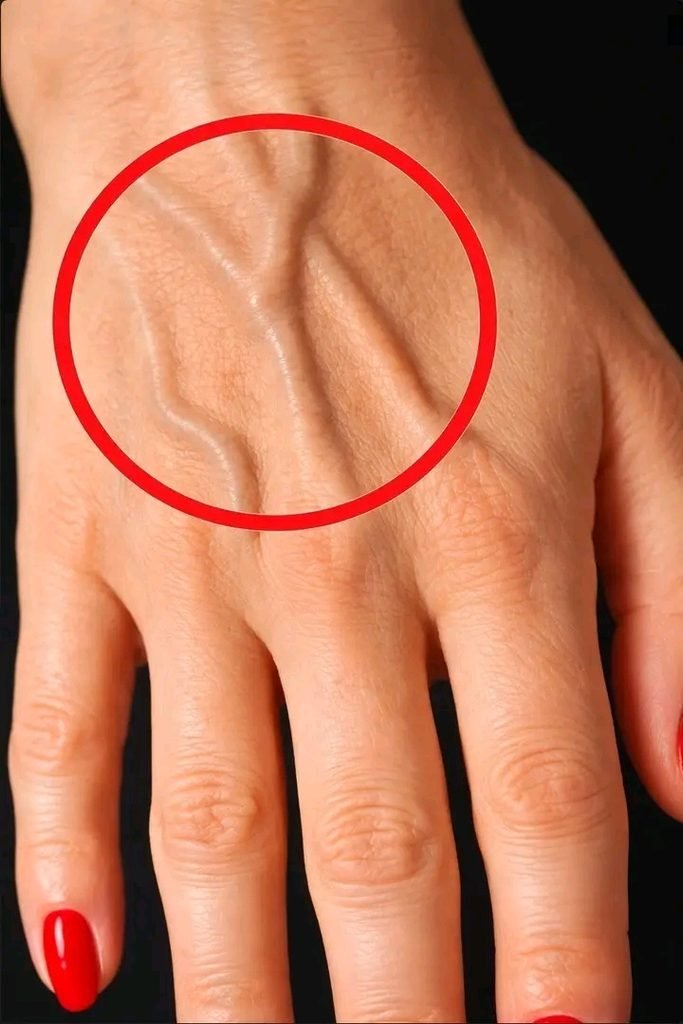
If Your Veins Are Visible, It Could Mean This: 7 Things to Know About Prominent Veins
Have you ever noticed the veins on your hands, arms, legs, or feet becoming more visible? You may have heard that visible veins indicate excellent circulation, low body fat, or even an underlying health problem.
The truth is that visible veins are often completely normal, and their appearance alone cannot tell you whether you are healthy or unhealthy. Several factors influence how prominent your veins look, including age, genetics, skin thickness, body composition, and physical activity.
Here are seven important things to know about visible veins and when you should seek medical advice.
1. You May Have Naturally Thin Skin
One common reason veins appear more prominent is that the skin covering them is relatively thin.
As people age, the skin gradually loses collagen and becomes thinner. This can make veins on the hands, forearms, and legs easier to see.
If your veins have always been visible and you have no other symptoms, this is often simply a normal feature of your body.
2. You May Have Less Fat Beneath Your Skin
Subcutaneous fat is the layer of fat located just beneath the skin. People with less of this fat may have more visible veins because there is less tissue covering them.
This is common among some lean individuals and athletes, although body composition varies considerably from person to person.
Important: Visible veins do not automatically mean that you are exceptionally fit, underweight, or unhealthy.
3. Exercise Can Make Your Veins More Noticeable
During exercise, blood flow to working muscles increases. Veins may temporarily become more prominent, particularly during strength training or other intense physical activity.
This happens because of changes in blood flow and pressure, along with the muscles’ temporary expansion during exercise.
In many cases, the veins become less noticeable after the body cools down and returns to its resting state.
4. Heat Can Make Veins More Visible
When you are in a warm environment, blood vessels near the surface of your skin can widen to help your body release heat.
As a result, veins in your hands, arms, and legs may appear larger or more noticeable after a hot shower, during hot weather, or following exercise.
This temporary change is usually normal.
5. Genetics Can Influence Your Veins
Some people naturally have more visible veins than others. Genetics can influence skin thickness, vein position, and other characteristics that affect how prominent veins appear.
If several members of your family have visible veins, you may share some of these natural characteristics.
There is generally no need to treat visible veins simply because they are noticeable.
6. Bulging Veins in the Legs May Indicate Varicose Veins
Not all prominent veins are the same. Veins that become enlarged, twisted, or rope-like—especially in the legs—may be varicose veins.
Varicose veins develop when the valves inside veins do not work effectively, allowing blood to pool in the affected vessels.
Possible symptoms include:
- Aching or heaviness in the legs.
- Swelling around the ankles.
- Itching or discomfort near affected veins.
- Symptoms that worsen after standing for long periods.
Varicose veins are common and are not always dangerous, but persistent symptoms deserve medical evaluation.
7. Sudden Changes in Vein Appearance Should Not Be Ignored
A vein that becomes newly prominent is not necessarily a sign of disease. However, a sudden change accompanied by other symptoms may require medical attention.
Seek urgent assessment if you develop:
- Sudden swelling in one arm or leg.
- Pain, warmth, redness, or tenderness around a vein.
- A hard, painful vein.
- Rapidly worsening swelling.
These symptoms can sometimes indicate a blood clot or another vascular problem.
Call emergency services immediately if swelling or leg pain occurs with chest pain, sudden shortness of breath, coughing up blood, or fainting, as these can be signs of a potentially life-threatening clot.
How Can You Keep Your Veins Healthy?
Although you cannot control every factor that determines how visible your veins are, several habits support general vascular health.
- Stay physically active: Walking and other regular movement support circulation.
- Avoid sitting or standing still for long periods: Take movement breaks when possible.
- Maintain a balanced diet: Include vegetables, fruit, whole grains, and adequate protein.
- Avoid smoking: Smoking increases cardiovascular and vascular risks.
- Seek advice for persistent symptoms: A healthcare professional can assess painful, swollen, or changing veins.
Compression stockings may help certain people with venous symptoms, but the appropriate type depends on individual circumstances. Ask a healthcare professional before using them if you have circulation problems or unexplained leg swelling.
Frequently Asked Questions
Are visible veins a sign of good circulation?
Not necessarily. Visible veins mainly reflect factors such as their position, skin thickness, and surrounding tissue. Their appearance alone cannot confirm whether your circulation is healthy.
Why are my veins more visible as I get older?
Skin becomes thinner with age, and the tissue beneath it can change. These changes can make veins more noticeable, especially on the hands.
Should I worry about visible veins on my hands?
Usually not if they have been present for a long time and cause no discomfort. Seek medical advice if they change suddenly or become painful, red, or swollen.
Can visible veins disappear naturally?
Veins may become less prominent when temporary factors such as heat or exercise subside. Varicose veins, however, may persist and sometimes require medical treatment.
Final Thoughts
Visible veins can be a normal part of your body’s anatomy. They may reflect genetics, aging, exercise, heat, or a relatively thin layer of tissue beneath the skin.
The most important thing is to pay attention to changes rather than judging your health by appearance alone. Persistent pain, unusual swelling, redness, or sudden changes should be evaluated by a healthcare professional.
Remember: visible veins do not automatically mean good circulation, and they do not automatically indicate a health problem. Context and accompanying symptoms matter most.
Medical disclaimer: This article is for educational purposes only and is not a substitute for professional medical advice, diagnosis, or treatment.
Make the headline less alarmingAdd a clear opening takeaway