
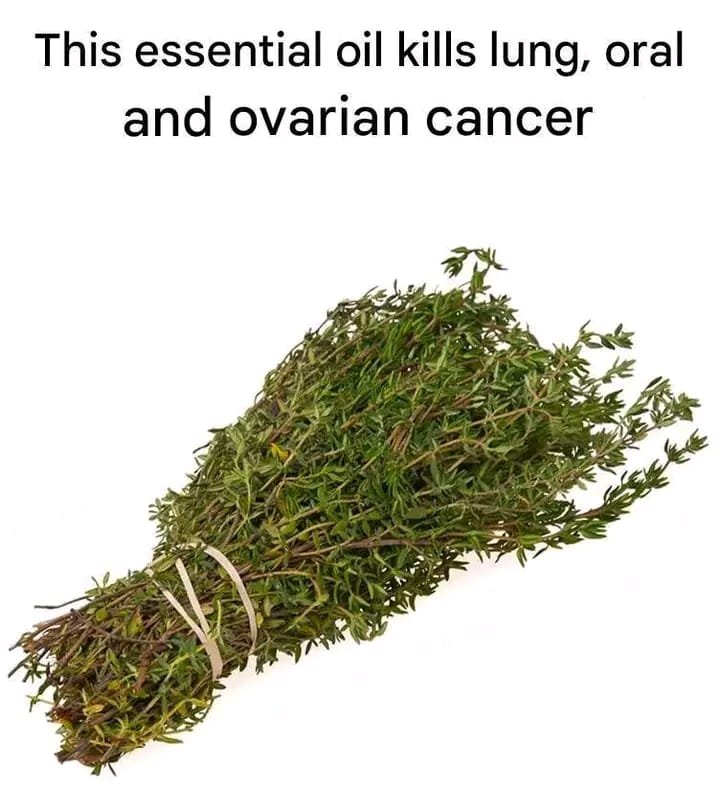
Can This Essential Oil Kill Lung, Oral, and Ovarian Cancer? What Science Really Says
Essential oils are often promoted online as natural remedies for serious illnesses, including lung cancer, oral cancer, and ovarian cancer. Some laboratory studies have found that compounds derived from aromatic plants can affect cancer cells under experimental conditions. But does that mean an essential oil can kill cancer in the human body?
The answer is no—not based on current clinical evidence. No essential oil has been proven to cure lung, oral, or ovarian cancer in people. Understanding the difference between laboratory findings and proven cancer treatments is essential for protecting your health.
Why Are Essential Oils Being Studied for Cancer?
Essential oils are concentrated substances extracted from plants, flowers, leaves, bark, or other plant parts. They contain different chemical compounds that may have biological effects.
Researchers investigate some of these compounds to understand whether they could eventually contribute to new medicines.
For example, certain essential oils have demonstrated effects on cancer cells in laboratory experiments. A preclinical study of marjoram essential oil reported reduced viability and growth of lung cancer cells in laboratory models. However, these findings do not establish that the oil treats lung cancer in humans. Source: PubMed.
Laboratory experiments are an early stage of research. A substance that affects cancer cells in a dish may be ineffective or unsafe when used in the human body.
1. Essential Oils and Lung Cancer
Lung cancer is a serious disease that requires appropriate medical evaluation and treatment.
Researchers have investigated plant-derived compounds for their potential effects on lung cancer cells. Some studies report changes in cell growth, cell death, or other biological processes.
However, there is a major difference between observing these effects in a laboratory and demonstrating that an essential oil can safely reach a tumor, destroy cancer cells, and improve survival in patients.
There is currently no reliable clinical evidence that inhaling, swallowing, or applying an essential oil cures lung cancer.
People with lung cancer should follow a treatment plan developed by their oncology team.
2. Essential Oils and Oral Cancer
Oral cancer can affect the tongue, gums, inner cheeks, floor of the mouth, and other tissues inside the mouth.
Although researchers study plant-derived compounds for potential anticancer properties, essential oils have not been established as effective treatments for oral cancer in humans.
Concentrated essential oils may irritate the mouth, gums, and throat. They should not be applied directly to suspicious sores or tumors, and they should never replace an examination by a dentist or doctor.
A mouth ulcer, lump, red or white patch, or other change that persists for more than two weeks should be evaluated by a healthcare professional, particularly if it is growing, bleeding, or causing difficulty swallowing.
3. Essential Oils and Ovarian Cancer
Ovarian cancer may cause symptoms such as persistent abdominal bloating, pelvic discomfort, feeling full quickly, or changes in urination. These symptoms can have many other causes, but persistent or unusual symptoms deserve medical assessment.
Some plant compounds are being investigated for their effects on ovarian cancer cells. Nevertheless, laboratory findings do not prove that an essential oil can treat ovarian tumors or improve survival.
No essential oil has been proven to eliminate ovarian cancer in people.
Anyone with suspected or diagnosed ovarian cancer should receive appropriate medical evaluation and discuss evidence-based treatment options with a qualified specialist.
Can Essential Oils Be Used Alongside Cancer Treatment?
Aromatherapy may help some people manage stress, anxiety, or other symptoms associated with illness and treatment. However, the evidence varies, and aromatherapy is considered supportive care rather than a cancer treatment.
The U.S. National Cancer Institute explains that research involving aromatherapy in people with cancer has primarily examined symptom relief and quality of life, rather than demonstrated cancer cures.
Read more: National Cancer Institute — Aromatherapy With Essential Oils.
If you are considering aromatherapy:
- Ask your oncology team before using essential oils.
- Never swallow concentrated essential oils unless specifically directed by a qualified medical professional.
- Avoid applying undiluted oils to skin, the mouth, or sensitive tissues.
- Tell your healthcare team about any supplements or complementary products you use.
Some products can cause allergic reactions, irritation, or interactions with medicines.
Why You Should Be Careful With Natural Cancer Remedies
The word “natural” does not automatically mean safe or effective. Cancer treatment requires evidence that a therapy can benefit patients at an appropriate dose without causing unacceptable harm.
Replacing or delaying proven treatment in favor of an unproven remedy may allow cancer to progress. The U.S. National Center for Complementary and Integrative Health specifically advises people not to use unproven products or practices as substitutes for standard cancer care.
More information: NCCIH — Cancer and Complementary Health Approaches.
Final Thoughts
Essential oils contain interesting plant-derived compounds, and researchers continue to investigate their biological effects. However, claims that one essential oil kills lung, oral, and ovarian cancer go beyond what current clinical evidence supports.
Essential oils may have a role in relaxation or symptom management for some people, but they are not substitutes for cancer screening, diagnosis, surgery, chemotherapy, radiation, targeted therapy, immunotherapy, or other treatments recommended by an oncology team.
The most important message is simple: never delay or replace evidence-based cancer treatment with an essential oil or homemade remedy.
Medical disclaimer: This article is for educational purposes only and is not a substitute for professional medical advice, diagnosis, or treatment. Anyone with possible cancer symptoms or a cancer diagnosis should consult a qualified healthcare professional.
Add a clear reader action sectionClarify safe aromatherapy use