
What to Do If You Start Seeing Eye Floaters: An Eye Doctor’s Helpful Guide
Have you ever noticed tiny black dots, drifting threads, or cobweb-like shapes moving across your vision? These unusual shapes are called eye floaters, and they can be especially noticeable when looking at a bright sky, a white wall, or a computer screen.
Eye floaters are common and often harmless. However, when they appear suddenly or come with flashes of light, they can signal a serious eye problem that requires urgent medical attention.
Understanding what causes floaters, how to respond to them, and when to seek help can make an important difference in protecting your eyesight.
What Are Eye Floaters?
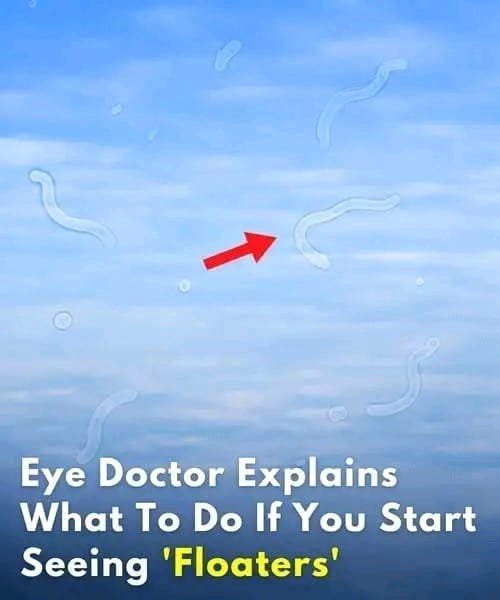
Eye floaters are small shapes that appear to drift through your field of vision. They may look like:
- Tiny black or gray dots.
- Fine threads or squiggly lines.
- Transparent rings.
- Cobwebs or small shadows.
Floaters often move when your eyes move and seem to drift away when you try to look directly at them.
Most floaters originate in the vitreous, the clear, gel-like substance inside your eye. As you age, this gel changes and develops tiny clumps or strands that cast shadows on the retina, the light-sensitive tissue at the back of the eye.
Although many floaters are harmless, new ones should not automatically be dismissed as a normal part of aging. <Cite refs={[“turn806357search1″,”turn806357search16”]}/>
1. Stay Calm, but Pay Attention to New Symptoms
If you have had the same small floaters for years and your vision has not changed, they may be related to normal aging.
However, if you suddenly notice new floaters, a significant increase in their number, or accompanying flashes of light, seek an urgent eye examination the same day if possible.
These symptoms can indicate a retinal tear or retinal detachment. A retinal detachment occurs when the retina separates from the back of the eye and can lead to permanent vision loss if treatment is delayed.
Do not wait several days to see whether sudden new floaters disappear.
2. Know the Warning Signs of a Retinal Emergency
Pay particular attention to these symptoms:
- A sudden shower of new black dots or floaters.
- Brief flashes of light, particularly in the side of your vision.
- A dark shadow or curtain spreading across your vision.
- Sudden blurred vision or reduced eyesight.
- New floaters following an eye injury or eye surgery.
If you experience a curtain-like shadow, sudden vision loss, or a sudden increase in floaters accompanied by flashes, seek emergency eye care immediately. Do not delay while trying home remedies. <Cite refs={[“turn806357search4″,”turn806357search8”]}/>
3. Arrange a Comprehensive Eye Examination
If you develop new floaters, an eye doctor can examine the back of your eye to check for retinal tears, bleeding, or other problems.
The examination commonly includes dilating your pupils with eye drops so the doctor can see the retina more clearly.
This examination is particularly important when floaters appear for the first time, change suddenly, or occur with other visual symptoms.
Even if your vision seems otherwise normal, a retinal problem may still be present.
4. Can You Get Rid of Eye Floaters Naturally?
Unfortunately, there is no proven home remedy that reliably removes floaters from inside the eye.
You may encounter claims that particular vitamins, supplements, eye exercises, or detox drinks can dissolve floaters. These claims should be treated cautiously because there is insufficient reliable evidence that such remedies eliminate ordinary vitreous floaters.
If an eye examination confirms that the floaters are harmless, your brain may gradually learn to pay less attention to them. Many people find that they become less noticeable over time.
For persistent floaters that significantly interfere with daily activities, an ophthalmologist can discuss available options and their risks.
5. Should You Take Vitamins for Eye Floaters?
A balanced diet supports overall eye health, but taking extra vitamins has not been established as a reliable treatment for ordinary floaters.
Foods such as leafy green vegetables, colorful fruits, eggs, fish, and nuts can contribute important nutrients to a healthy diet.
However, do not assume that floaters mean you have a vitamin deficiency. Avoid taking high-dose supplements specifically to treat floaters without professional guidance.
The most important step when floaters are new is to rule out an urgent eye condition, not to start a supplement regimen.
6. What Treatments Can an Eye Doctor Recommend?
Treatment depends on what is causing the floaters.
Observation: If the floaters are harmless and do not significantly affect vision, monitoring them is often sufficient.
Treatment for an underlying problem: Retinal tears, bleeding, inflammation, or retinal detachment may require specific medical or surgical treatment.
Vitrectomy: In selected severe cases, an ophthalmologist may consider surgery to remove the vitreous gel containing troublesome floaters. This procedure has significant potential risks and is not routinely recommended for ordinary floaters.
Your eye doctor can explain whether treatment is appropriate for your individual situation. <Cite refs={[“turn806357search1″,”turn806357search5”]}/>
7. Who Is More Likely to Develop Eye Floaters?
Floaters become more common with age, but they can affect younger people too.
Factors associated with a greater likelihood of floaters or related complications include:
- Aging-related changes inside the eye.
- Nearsightedness.
- Previous cataract or other eye surgery.
- Eye injuries.
- Certain inflammatory eye conditions.
- A previous retinal tear or detachment.
Having one or more of these factors does not mean that a serious complication will occur, but it makes it particularly important to respond appropriately to new symptoms.
8. How Can You Protect Your Vision?
Although you cannot prevent every floater, you can take practical steps to protect your eyes:
- Arrange regular comprehensive eye examinations according to your age and individual risk.
- Wear protective eyewear during activities that could injure your eyes.
- Manage chronic conditions, such as diabetes, with appropriate medical care.
- Seek prompt assessment when your vision changes suddenly.
- Avoid unproven products that promise to dissolve floaters.
Remember that regular eye examinations are valuable, but they do not replace urgent assessment when new warning signs appear.
Frequently Asked Questions
Are eye floaters dangerous?
Most longstanding floaters are harmless. However, sudden new floaters or a rapid increase in their number can signal a retinal tear or detachment and require urgent assessment.
Can eye floaters disappear on their own?
Some floaters become less noticeable over time as the brain adapts to them. Others remain visible. New floaters should be assessed rather than assumed to be harmless.
Does looking at screens cause floaters?
Screens can make existing floaters easier to notice, particularly against bright backgrounds, but ordinary screen use is not considered the usual cause of vitreous floaters.
Should I rub my eyes to remove floaters?
No. Rubbing your eyes will not remove floaters because they originate inside the eye. Avoid forceful rubbing, especially if your eye is irritated or injured.
Final Thoughts
Eye floaters are common, and many are related to normal changes in the gel inside the eye. Nevertheless, sudden new floaters, flashes of light, a dark curtain, or changes in vision should never be ignored.
The safest approach is simple: learn what floaters look like, recognize the warning signs, and seek prompt professional assessment when they appear suddenly or change.
Protecting your vision begins with knowing when a seemingly small symptom needs immediate attention.
Medical Disclaimer
This article is for educational purposes only and does not replace professional medical advice, diagnosis, or treatment.
Sources
- National Eye Institute: Floaters
- NHS: Floaters and Flashes in the Eyes
- American Academy of Ophthalmology: Retinal Tears and Detachment
Add a clear emergency calloutRemove unresolved citation placeholders