
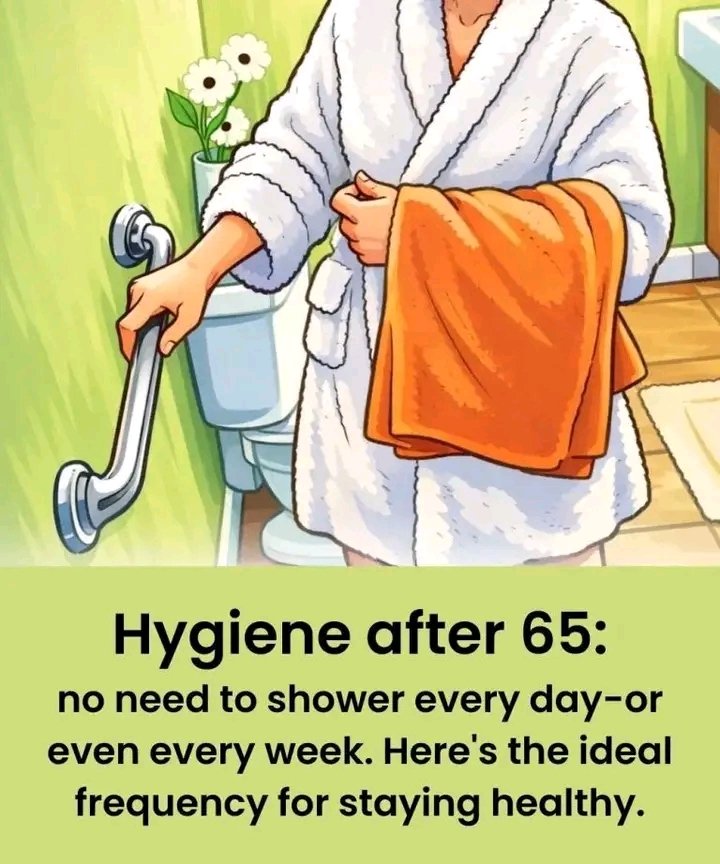
Why Daily Showers After 65 May Do More Harm Than Good: What Older Adults Should Know
As we get older, taking care of our skin becomes increasingly important. You may have heard that showering every day after age 65 can do more harm than good. While daily showers are not inherently dangerous, frequent long showers with hot water and harsh soaps can dry out and irritate aging skin.
The best bathing routine depends on your skin, activity level, climate, personal preferences, and medical needs. For some older adults, showering every day feels comfortable and works perfectly well. Others may benefit from bathing less frequently while still maintaining good personal hygiene.
Here is what happens to your skin as you age, how to shower safely, and how to decide what routine works best for you.
1. Aging Skin Naturally Becomes Drier
As people age, the skin often becomes thinner, less elastic, and less effective at retaining moisture. The body may also produce less oil, which normally helps protect the skin’s surface.
Frequent bathing, particularly with hot water, can remove some of these protective oils and worsen dryness.
You may notice:
- Tightness after showering
- Flaky or rough patches
- Itching, especially on the arms and legs
- Skin that becomes irritated more easily
These changes do not mean you must stop showering daily. Adjusting the water temperature, shower length, and moisturizer use may be enough to protect your skin.
2. Hot Showers Can Make Itching Worse
A long, hot shower may feel relaxing, but hot water can aggravate dryness and itching.
Older adults who already have eczema or sensitive skin may find that very hot showers make their symptoms worse.
What to Do Instead
- Use warm rather than hot water.
- Keep showers relatively short, often around five to ten minutes.
- Avoid scrubbing the skin aggressively.
- Pat yourself dry with a soft towel instead of rubbing.
- Apply a fragrance-free moisturizer soon after bathing.
These small changes can help preserve the skin’s natural moisture barrier.
3. Harsh Soaps Can Irritate Sensitive Skin
Some soaps and body washes contain fragrances or strong cleansing ingredients that may irritate dry or sensitive skin.
Using large amounts of cleanser over the entire body every day may worsen dryness, especially when the skin is already fragile.
A Gentler Approach
Choose a mild, fragrance-free cleanser. Focus on areas that commonly need regular washing, such as the armpits, groin, feet, and visibly dirty areas.
Rinse thoroughly to remove soap residue. If your skin is particularly dry, a gentle soap substitute or moisturizing cleanser may be helpful.
Good hygiene still matters. The goal is to clean the skin without unnecessarily irritating it.
4. Showering Less Often Can Be Reasonable for Some People
There is no single bathing schedule that is ideal for every person over 65.
Some older adults prefer a daily shower, while others may be comfortable showering every other day or less often, depending on their activities, sweating, skin condition, and personal care needs.
On days without a full shower, you can still wash areas that need attention and change into clean clothes.
However, bathing needs may be different for people who sweat heavily, have incontinence, work in dirty environments, or have wounds or certain skin conditions.
The important point: You do not need to stop daily showers simply because you are over 65. Choose a routine that maintains cleanliness and comfort without drying your skin.
5. Overwashing May Worsen Existing Skin Problems
Repeated exposure to hot water, cleansers, and friction can aggravate conditions such as eczema and irritant dermatitis.
Signs that your bathing routine may be too harsh include:
- Persistent itching after showering
- Redness or irritation
- Cracked skin
- Worsening eczema
- A burning or stinging sensation when applying skincare products
If symptoms continue despite gentler bathing and regular moisturizing, speak with a healthcare professional. Persistent itching can sometimes have causes unrelated to bathing, including medication effects or underlying medical conditions.
6. Skipping Showers Does Not Automatically Improve Skin Health
Although excessive washing can dry the skin, bathing too infrequently may allow sweat, dirt, and other substances to accumulate.
This can contribute to unpleasant odors, irritation, and discomfort. People with incontinence may need more frequent cleansing to protect the skin from moisture and irritation.
For older adults, a balanced approach is usually best: clean the body regularly, wash areas that become sweaty or dirty, and avoid unnecessary exposure to very hot water or irritating products.
7. Shower Safety Becomes More Important With Age
Another important consideration is the risk of slipping or falling in the bathroom.
Wet floors, high bathtub edges, dizziness, and reduced balance can make showering hazardous for some older adults.
Ways to Make Your Bathroom Safer
- Install sturdy grab bars in appropriate locations.
- Use a nonslip bath mat or suitable nonslip flooring.
- Consider a shower chair if standing for long periods is difficult.
- Keep soap and shampoo within easy reach.
- Use adequate lighting.
- Avoid rushing, especially when getting in or out of the shower.
If you feel dizzy during bathing, sit down if it is safe and seek medical advice if the problem recurs. Sudden severe dizziness, fainting, chest pain, or difficulty breathing requires urgent assessment.
8. The Best Shower Routine for Adults Over 65
A skin-friendly routine can be simple and practical.
Before showering
- Make sure the bathroom is warm and the floor is safe.
- Gather towels, clean clothes, and toiletries.
- Check that the water temperature is comfortable.
During showering
- Use warm water instead of very hot water.
- Keep the shower short.
- Clean sweaty or dirty areas gently.
- Avoid vigorous scrubbing.
After showering
- Pat the skin dry.
- Apply a fragrance-free moisturizer while the skin is still slightly damp.
- Put on clean clothes.
- Make sure the bathroom floor is dry before walking around.
If you have a prescribed skin-care routine, follow your clinician’s instructions.
When Should You Seek Medical Advice?
Consult a healthcare professional if you experience persistent itching, recurring rashes, painful cracks, wounds that do not heal, or a sudden unexplained change in your skin.
Older adults with diabetes, reduced sensation, poor circulation, or weakened immune systems may need additional guidance about skin care and wound prevention.
Seek urgent medical attention for rapidly spreading redness, severe pain, fever associated with a skin infection, or other signs of serious illness.
Final Thoughts
Daily showers after age 65 are not automatically harmful. The main concern is how you bathe: very hot water, long showers, harsh soaps, and aggressive scrubbing can worsen dryness and irritation in aging skin.
For many older adults, short showers with warm water, gentle cleansers, and regular moisturizing provide a good balance between hygiene and skin protection.
Listen to your skin, adapt your routine to your needs, and remember that the best bathing schedule is the one that keeps you clean, comfortable, and safe.
Medical disclaimer: This article is for educational purposes only and does not replace professional medical advice, diagnosis, or treatment. If you have a persistent skin condition or specific bathing needs related to a medical condition, consult a qualified healthcare professional.
Soften the headline’s alarmist claimAdd a concise key takeaways box